

Budget 2026: Real Estate Industry Seeks Policy Reforms to Address India's Housing Divide


Real estate industry leaders are calling for comprehensive policy reforms in Budget 2026 to address India's growing housing divide. Key recommendations include reintroducing the 100% tax holiday under Section 80-IBA for affordable housing developers, accelerating infrastructure projects, and expanding rental housing support. With the sector contributing nearly 7% to GDP and employing over 70 million people, experts warn that without decisive fiscal intervention, the gap between premium and affordable housing could widen further, potentially excluding millions from homeownership.

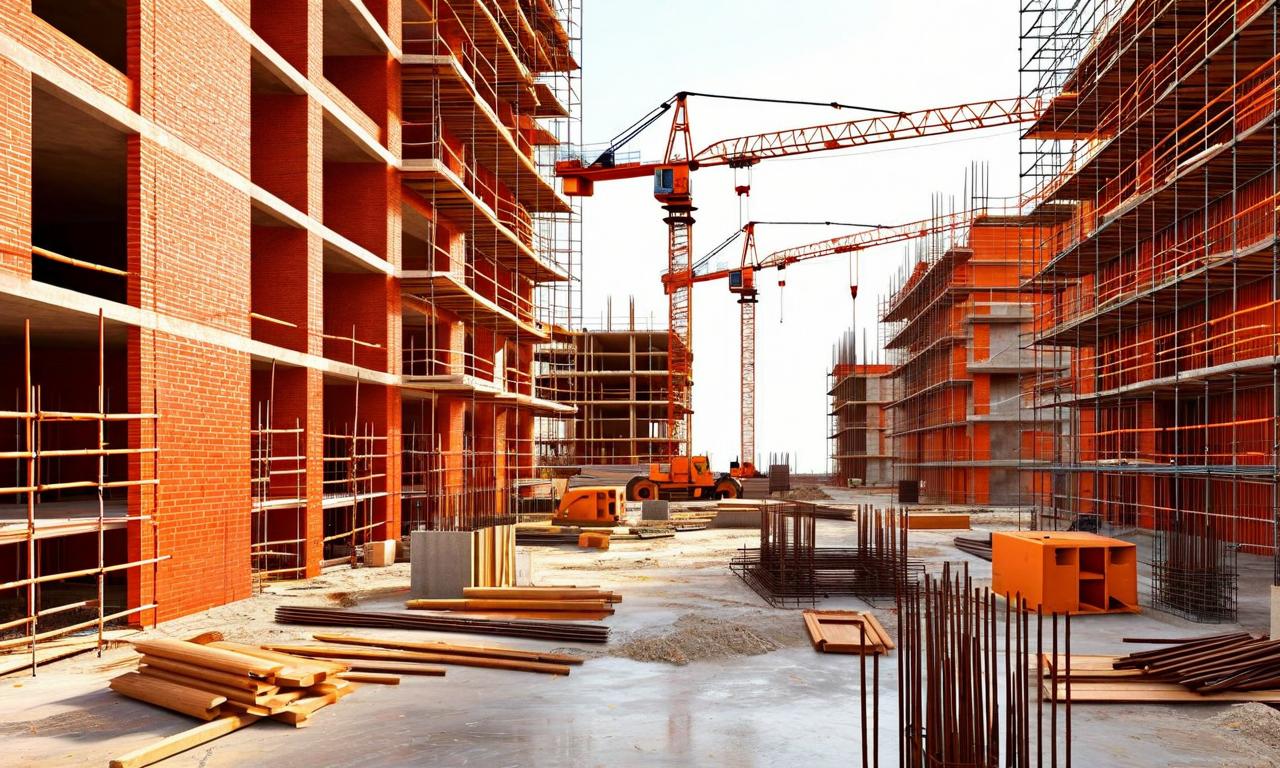

*this image is generated using AI for illustrative purposes only.
India's real estate sector stands at a critical juncture, with industry leaders calling for comprehensive policy reforms in Budget 2026 to address a deepening housing divide. The sector, which contributes nearly 7% to India's GDP and employs over 70 million people, requires urgent fiscal intervention to maintain its role as a pillar of economic growth and urban transformation.
Growing Market Imbalance Threatens Housing Accessibility
Anuj Puri, Chairman of ANAROCK Group, warns of emerging structural imbalances creating a two-tier housing market. While luxury housing sales and prices capture media attention, homeownership is becoming increasingly unaffordable for large segments of the Indian population. Without decisive intervention in Budget 2026, Puri cautions that the gap between premium housing and basic affordable homes could widen further, potentially excluding millions from the ownership cycle.
Affordable Housing Requires Immediate Fiscal Support
The revival of affordable housing emerges as a central priority among industry recommendations. Puri emphasizes that reintroducing the 100% tax holiday for developers under Section 80-IBA could provide the most immediate and effective boost to supply. This incentive, which was withdrawn in 2021, had previously encouraged broader developer participation and accelerated affordable project launches.
| Policy Measure | Current Status | Industry Recommendation |
|---|---|---|
| Section 80-IBA Tax Holiday | Withdrawn in 2021 | Reintroduce 100% tax holiday |
| Affordability Thresholds | Outdated | Recalibrate to current market |
| Developer Participation | Limited in affordable segment | Restore fiscal incentives |
Industry experts argue that without restoring such incentives and recalibrating affordability thresholds, both demand and supply in this critical segment will remain subdued.
Infrastructure Acceleration Critical for Housing Expansion
Infrastructure development represents another key area requiring immediate attention. While Puri acknowledges positive initiatives such as the National Infrastructure Pipeline and PM Gati Shakti, he highlights implementation speed as a persistent concern. Priority funding is needed for metro rail expansions, suburban rail networks, ring roads connecting peripheral regions, and integrated logistics corridors—all vital for unlocking new housing corridors and reducing pressure on urban cores.
Consumer-Focused Reforms to Boost Housing Demand
Anurag Mathur, CEO of Savills India, advocates for demand-side reforms that directly improve household affordability. His recommendations include:
- Raising the standard deduction for individual taxpayers
- Linking deductions to a percentage of income
- Implementing measures to increase disposable incomes
Mathur argues that higher disposable incomes can meaningfully support housing demand among middle-income and first-time buyers, particularly in urban centers.
Rental Housing and REITs as Affordability Solutions
Rental housing is increasingly viewed as a structural solution rather than a temporary measure. Mathur emphasizes the need for policy support to expand professionally managed rental housing, including enabling multi-family REITs. Such measures could improve affordability, enhance workforce mobility, and attract institutional capital into an underdeveloped segment despite rising urbanization.
Additionally, Mathur points to the importance of pragmatic land reforms and monetization of underutilized government land to address supply-side constraints, potentially lowering development costs and accelerating housing delivery.
Market Challenges Persist Despite Overall Resilience
Shishir Baijal, Chairman and Managing Director of Knight Frank India, notes that despite overall market resilience, affordable housing continues to underperform. He attributes this to declining affordability, rising input costs, and limited end-user support, warning that without timely policy recalibration, demand in this segment could remain structurally weak.
| Challenge | Impact | Recommended Solution |
|---|---|---|
| Declining Affordability | Reduced demand | Targeted fiscal support for buyers |
| Rising Input Costs | Lower project viability | Developer-focused incentives |
| Outdated Price Thresholds | Market misalignment | Realign with urban cost realities |
Baijal stresses the need to realign housing incentives with current urban cost structures, particularly in large cities where existing price thresholds no longer reflect market realities.
Infrastructure Investment for Inclusive Growth
Both Baijal and Mathur emphasize that sustained investment in mass transit and urban infrastructure is crucial for long-term inclusion. Improved connectivity to peripheral growth corridors can expand affordable land supply, while continued development of Global Capability Centers and office hubs in Tier II and III cities can drive decentralized job creation and promote more balanced urban growth beyond metropolitan areas.
Industry leaders agree that Budget 2026 represents a defining moment for India's housing sector. From restoring affordable housing incentives and accelerating infrastructure execution to strengthening rental housing and consumer affordability, experts emphasize that bold, coordinated policy action is essential to prevent a deeper housing divide and ensure India's urban growth remains inclusive and sustainable.
 19
19














 Access 50+ Readymade Screeners
  Use 200+ Custom Filters
  Get Full Market Insights





