

Robinhood reports record demand for SpaceX IPO shares


Robinhood reported over 850,000 customer orders for SpaceX shares, marking its highest IPO demand ever. SpaceX raised $75 billion in its debut but has seen volatility, dropping 23% before rebounding 5%. Starlink remains the profitable core, while xAI posted a $6.4 billion loss.



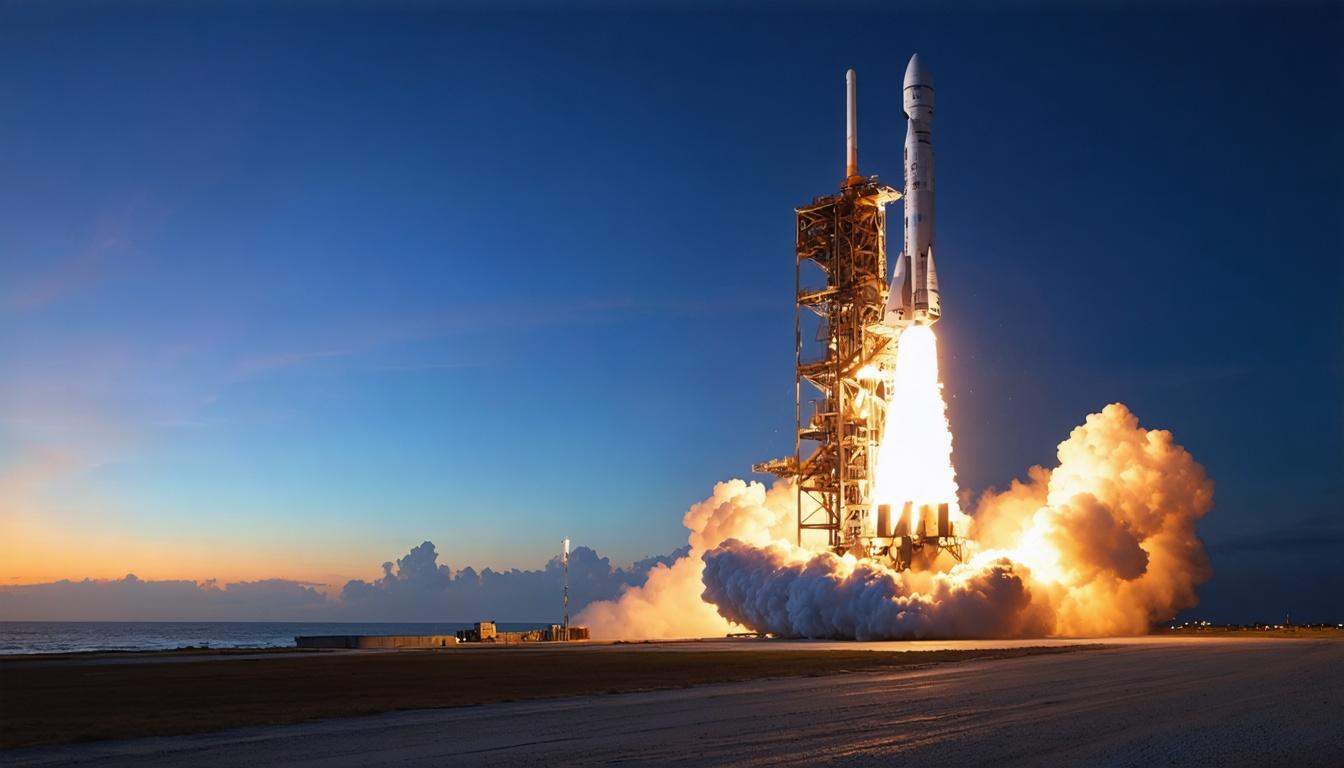
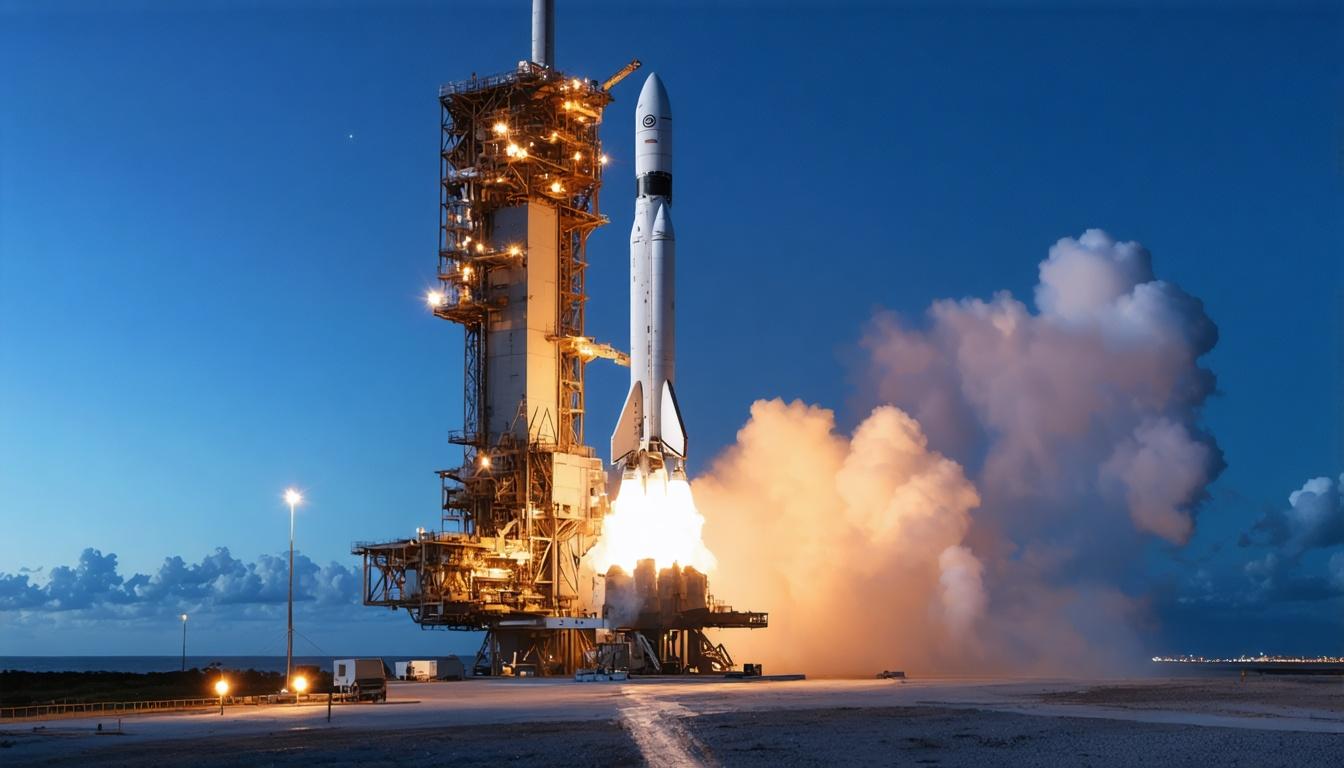
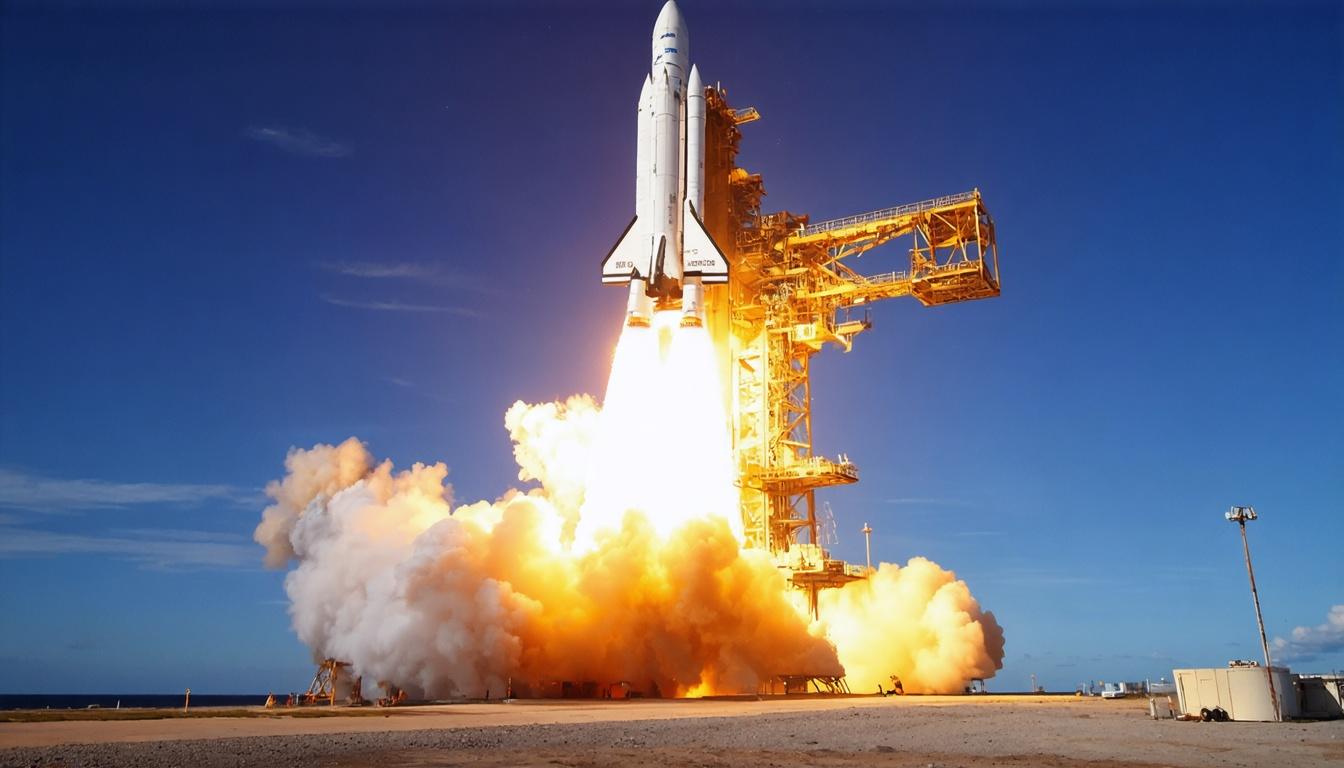
*this image is generated using AI for illustrative purposes only.
SpaceX saw over 850,000 customers on Robinhood request shares during its initial public offering, the highest demand the platform has ever recorded for an offering. Chief Brokerage Officer Steve Quirk stated that every person who requested SpaceX shares received at least one, with an allocation algorithm distributing supply democratically as demand outstripped the float. He noted that Robinhood's retail base tends to hold IPO shares long-term rather than flip them, a trend expected to continue with future AI listings like Anthropic and OpenAI.
The company raised $75 billion in the largest IPO in history, pricing shares at $135 to achieve a valuation of roughly $1.75 trillion. Shares rose approximately 19% in their debut session on June 12, 2026, to close near $161, lifting the market value above $2 trillion. However, the stock has since experienced significant volatility. SpaceX dropped 16% on June 22 to $154.60 after announcing plans to sell at least $20 billion in bonds to fund its AI buildout, extending a three-day decline to roughly 23%. The stock has since rebounded, trading up 5% on Tuesday after dipping as low as $147.11.
Business Segments
Starlink is the only segment generating meaningful profits today. Connectivity contributed $11.4 billion in revenue during 2025, accounting for 61% of the total. With 36% operating margins, 10.3 million subscribers across 164 countries, and $4.4 billion in operating income, Starlink is the financial backbone of the enterprise. Launch services generated roughly $4 billion in revenue, or 21% of the total, while the AI business, xAI, generated $3.2 billion in revenue while posting a $6.4 billion operating loss in 2025.
Valuation and Risks
The company is being valued at nearly 100 times its sales of $18.67 billion last year. SpaceX reported a net loss of $4.28 billion in the first quarter, even as revenue rose 15% to $4.69 billion. Vuk Vukovic, CIO of Oraclum Capital, noted that when the addressable market is 1,500 times current revenue, management is asking investors to price the story, not the business. He cited Morningstar's fair value estimate of approximately $780 billion, roughly 55% below the IPO valuation.
Market Reaction
The IPO has triggered a rally in space-related stocks as traders seek exposure to the sector. The following table details the performance of key peers:
| Company | % After Hours Change | After Hours Price |
|---|---|---|
| Virgin Galactic Holdings, Inc. | +13.26% | $6.49 |
| AST SpaceMobile, Inc. | +6.86% | $104.25 |
| Rocket Lab Corporation | +5.85% | $121.50 |
| Planet Labs PBC | +4.77% | $35.80 |
| Intuitive Machines, Inc. | +4.43% | $32.00 |

How will the $20 billion bond issuance impact SpaceX's credit rating and cost of capital given the current volatility?
Can Starlink's growth sustain the company's valuation while xAI continues to burn billions in operating cash?
Will the anticipated IPOs of Anthropic and OpenAI face similar valuation premiums given the current market sentiment?
 16
16









 Access Market Heat-map & Insights
  Create, Save & Share your Screener
  Use 200+ Screening Filters





