

Nvidia H200 shipments to China are trivial, KeyBanc raises target


Nvidia Corp has started shipping H200 AI chips to China under strict U.S. licenses, with volumes described as trivial by a U.S. Commerce Department official. The company's revenue from China fell 53% to $4.55 billion in the first quarter, while total revenue rose 85% to $81.6 billion. KeyBanc maintained an Overweight rating and raised the price target to $330, citing strong demand and supply chain progress despite minor delays.


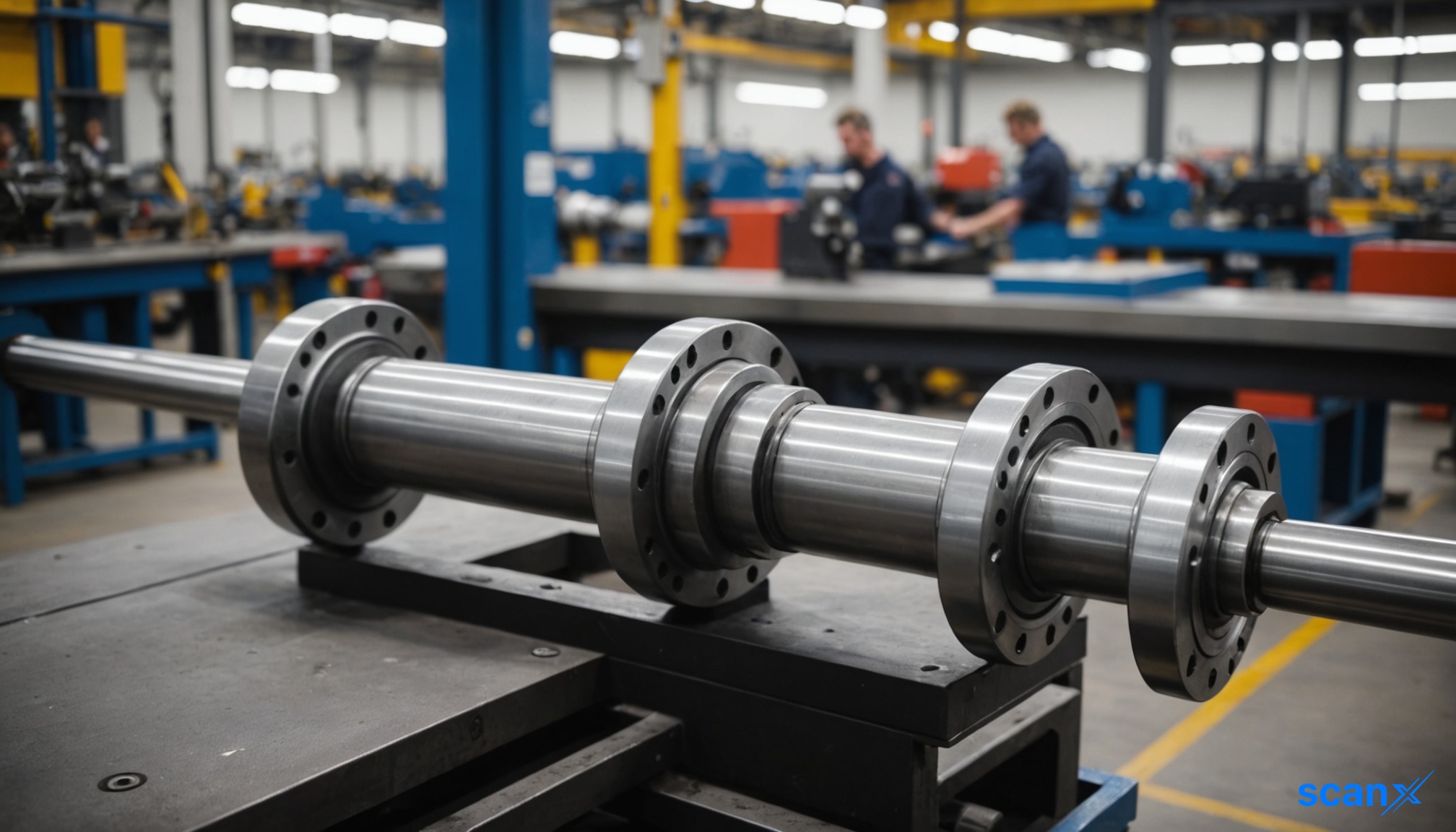
*this image is generated using AI for illustrative purposes only.
Nvidia Corp has officially begun shipping its powerful H200 artificial intelligence chips to China, signaling a resumption of advanced hardware exports under strict case-by-case government licenses. A top U.S. trade official confirmed the development, while KeyBanc maintained an Overweight rating on the stock and raised its price target to $330 from $310, citing robust global demand and supply chain progress. The regulatory approvals and analyst optimism highlight Nvidia's strategic position despite geopolitical tensions and hardware rollout delays.
H200 Shipments Remain Limited
Jeffrey Kessler, Under Secretary of Commerce for Industry and Security, stated that early volumes remain heavily restricted, describing initial deliveries as "trivial" and "very few". Despite tight restrictions, recent U.S. approvals have cleared around 10 Chinese firms to receive advanced AI hardware from Nvidia and Advanced Micro Devices Inc. Major tech conglomerates—including ZTE Kangxun Telecom, a unit of ZTE Corp, Alibaba Group Holding Ltd ADR, Tencent Holdings Ltd, ByteDance, Maginfra, and a Kingsoft subsidiary—are among the entities cleared to purchase the chips. Kessler emphasized that applicants must satisfy rigorous national security benchmarks and submit to inspections to guarantee compliance.
China Revenue Declines Amid Policy Hurdles
Nvidia sharply reduced its China exposure over the past year, even as its overall AI-driven revenue surged. Revenue from customers based in China, including Hong Kong, fell about 53% to $4.55 billion in the first quarter from $9.66 billion a year earlier, according to Nvidia's Form 10-Q. Despite that drop, total revenue jumped 85% year over year to a record $81.6 billion. Chinese authorities have slowed local purchases of U.S.-designed AI chips, partly because Beijing wants to support its domestic chip industry. Nvidia has told investors it does not expect additional near-term AI processor revenue from China, even after U.S. approval for H200 sales.
KeyBanc Raises Nvidia Forecast
KeyBanc analyst John Vinh described the company's supply landscape as "mixed but mostly positive." While Asia field checks reveal that the upcoming Vera Rubin chip architecture faces slight production delays due to thermal heat lid issues and HBM4 qualification delays with SK Hynix Inc ADR, KeyBanc foresees "minimal risk to estimates." To mitigate the delay, Nvidia is expected to ship more B300 GPUs in place of its R200 models. Vinh expects Nvidia to ship 5.5 million to 6 million Blackwell GPUs this year, along with 1 million Hopper GPUs. He also expects Nvidia to ship 70,000 to 80,000 total racks this year, including 5,000 to 6,000 Vera Rubin racks.
| Metric | Value |
|---|---|
| Rating | Overweight |
| Previous Price Target | $310 |
| New Price Target | $330 |
| 2026 CoWoS Supply | 650,000 interposers |
| 2027 CoWoS Supply | 1.1 million interposers |
CoWoS Supply Supports AI Demand
The firm highlighted a significant increase in its supply forecast. Nvidia’s 2026 CoWoS supply outlook remains unchanged at 650,000 interposers, while 2027 supply has been revised significantly higher to 1.1 million interposers. This increase reflects strong demand and a full-year Rubin ramp. Vinh said Nvidia remains uniquely positioned to benefit from secular growth in data center AI and machine learning, pointing to Nvidia’s CUDA software stack as a major barrier to entry.

How will the strict case-by-case licensing process impact the long-term scalability of Nvidia's sales to Chinese tech giants?
What effect will Beijing's push to support its domestic chip industry have on Nvidia's market share in China beyond the near term?
Can the increased allocation of B300 GPUs fully offset the potential revenue impact from the Vera Rubin production delays?
 16
16






 Create Custom Screeners
  Access 200+ Pre-built Filters
  Use 50+ Readymade Screener





