

Tech sector held hostage by SK Hynix, says Cramer


Jim Cramer stated that the technology sector has become 'hostage' to SK Hynix due to its critical role in supplying high-bandwidth memory (HBM) for AI accelerators. He highlighted that Nvidia cannot ship AI systems without sufficient HBM supply, making SK Hynix a key indicator for the AI market. Cramer also expressed concern that leveraged ETFs are amplifying volatility in these stocks.


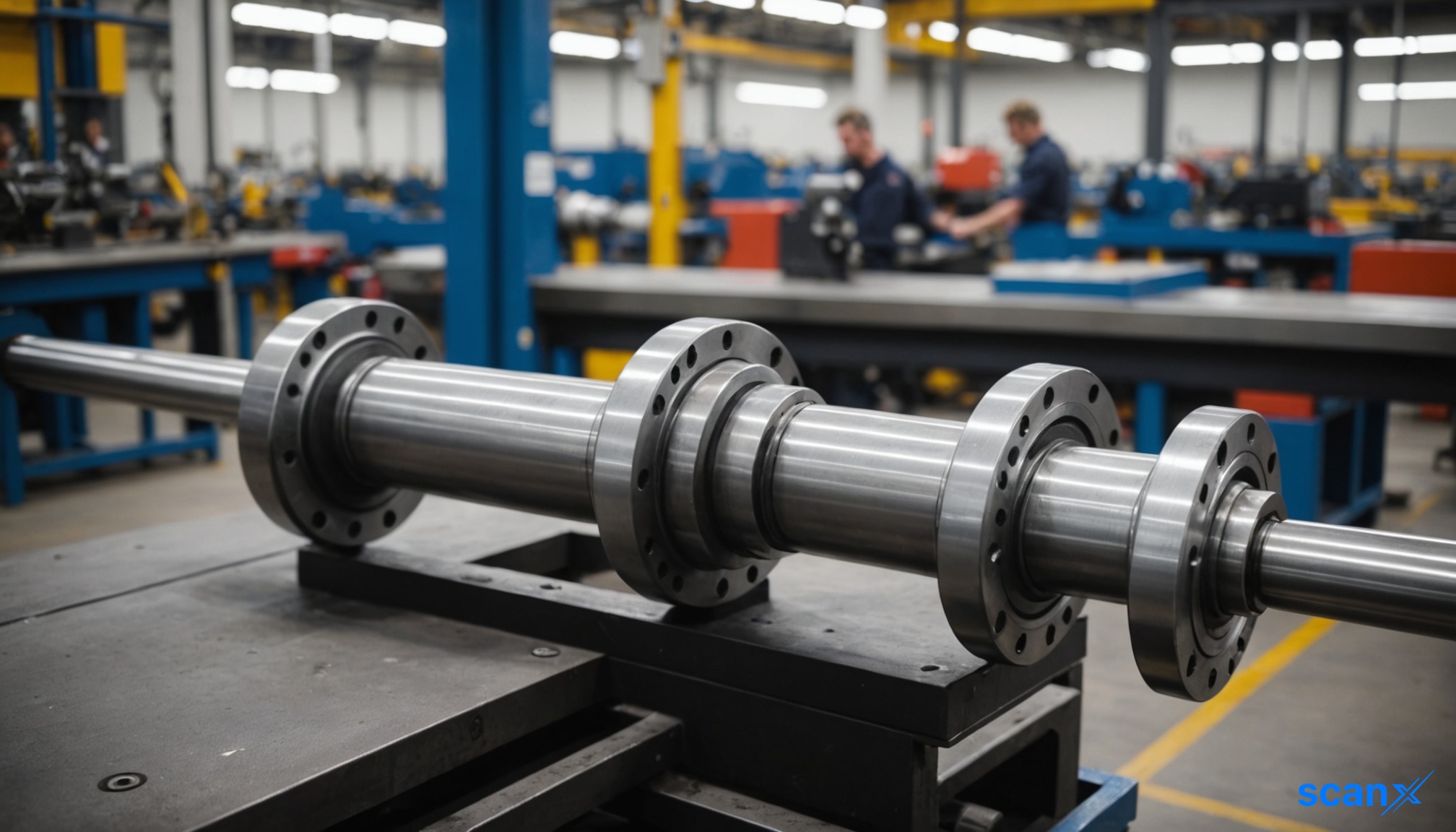
*this image is generated using AI for illustrative purposes only.
Jim Cramer, the CNBC host, stated on Tuesday that the technology sector has become 'hostage' to SK Hynix, highlighting the company's critical role in the artificial intelligence supply chain. He emphasized that Nvidia Corp. cannot ship its AI systems without sufficient high-bandwidth memory (HBM) supply, which SK Hynix dominates. This dependency makes the memory manufacturer's production capacity and demand outlook vital indicators for the broader AI market and Nvidia's growth trajectory.
SK Hynix’s AI Role
The primary driver of this dependency is HBM, a type of memory chip designed to move massive amounts of data between memory and AI processors at extremely high speeds. Unlike traditional memory chips, HBM has become an essential component in Nvidia’s latest AI accelerators, including its Blackwell platform. SK Hynix has emerged as the leading supplier of these advanced chips, elevating its status from a memory manufacturer to a pivotal player in the AI ecosystem.
Why Nvidia Investors Should Watch
Investors increasingly view SK Hynix’s earnings and commentary as an early read on AI infrastructure spending. Strong HBM demand reinforces confidence in Nvidia’s ability to meet soaring demand for its chips, while any signs of supply constraints can quickly ripple across semiconductor stocks. Cramer noted that the market's focus remains on SK Hynix, Samsung Electronics Co., Ltd., and Sandisk Corporation, rather than Micron Technology, Inc., reflecting SK Hynix's position as the industry's primary AI memory barometer.
Market Concentration Concerns
Cramer also pointed to concerns regarding market concentration and trading flows. He suggested that SK Hynix has become 'leveraged to ridiculous leveraged ETFs,' including ProShares Ultra SK hynix, GraniteShares 2x Long SK Hynix Daily ETF, and Leverage Shares 2X Long SK Hynix Daily ETF. This dynamic implies that trading flows, rather than just fundamentals, could be amplifying volatility in AI-related stocks.
| Entity | Ticker | Exchange |
|---|---|---|
| Nvidia Corp. | NVDA | NASDAQ |
| SK hynix Inc. | SKHY | NASDAQ |
| Samsung Electronics Co., Ltd. | SSNLF | OTC |
| Sandisk Corporation | SNDK | NASDAQ |
| ProShares Ultra SK hynix | SKHU | NYSE |
| GraniteShares 2x Long SK Hynix Daily ETF | SKUU | NASDAQ |
| Leverage Shares 2X Long SK Hynix Daily ETF | SKHX | BATS |
For Nvidia investors, the takeaway is that while GPUs remain the face of the AI boom, the companies supplying the memory behind them are becoming equally important to monitor.

Can Samsung Electronics or Micron Technology realistically challenge SK Hynix's dominant market share in HBM production within the next 12 to 18 months?
How might the extreme volatility from leveraged SK Hynix ETFs impact the valuation stability of unrelated semiconductor stocks in the AI sector?
What are the specific risks to Nvidia's Blackwell platform rollout if SK Hynix fails to meet its aggressive HBM production targets?
 19
19






 Create Custom Screeners
  Access 200+ Pre-built Filters
  Use 50+ Readymade Screener





