

Trump weighs easing shadow fleet sanctions amid high fuel costs


- Trump considers easing shadow fleet sanctions to combat rising US fuel prices
- Shipping costs from Americas to Asia hit $40 per barrel, totaling $80 million per VLCC voyage
- Analyst suggests Starshield disruption may pressure Ukraine over Russian energy strikes
- National gas average rises to $4.3344/gallon; diesel exceeds $6.31/gallon

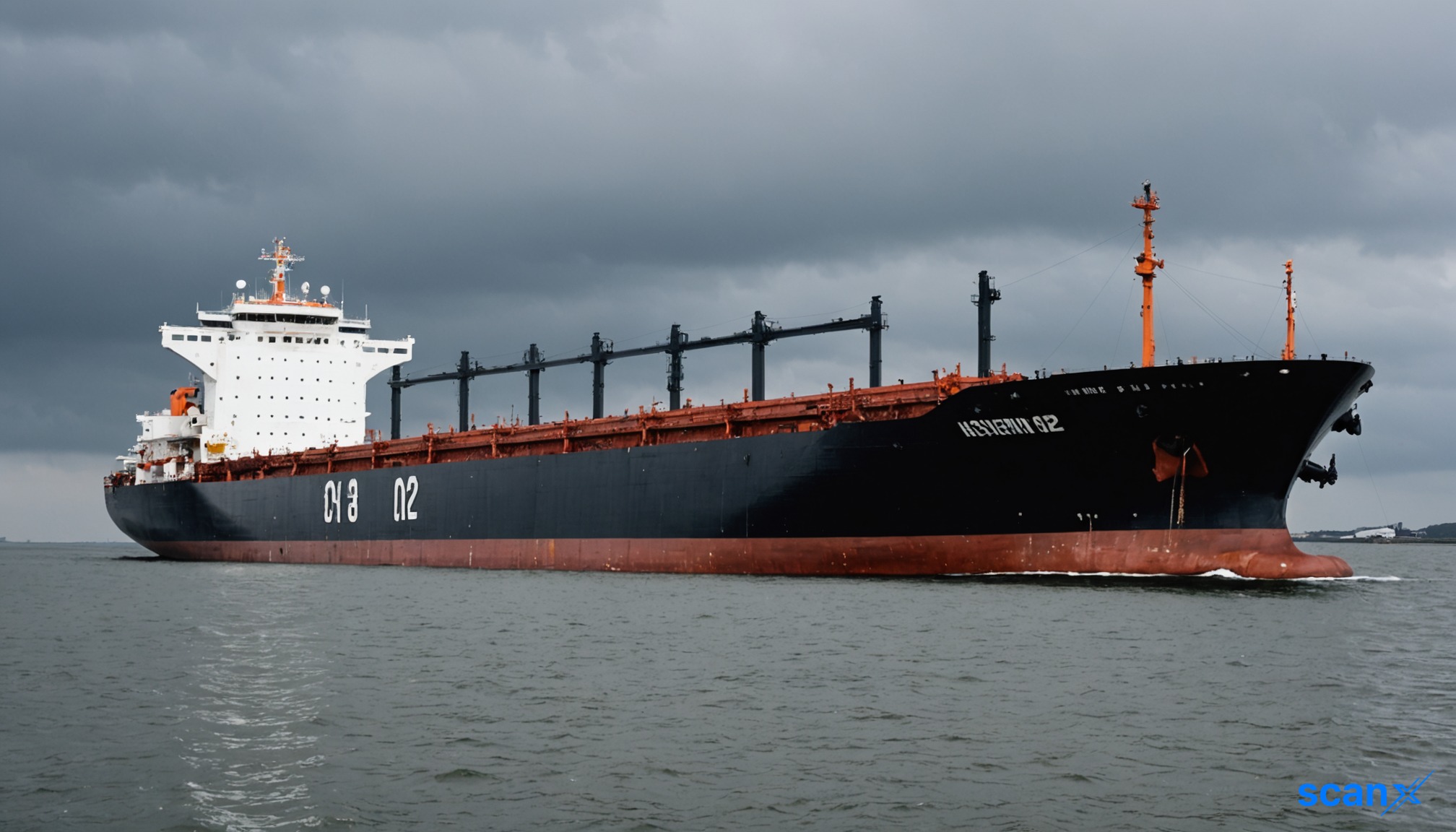

*this image is generated using AI for illustrative purposes only.
President Donald Trump is reportedly considering easing restrictions on shadow fleets transporting oil from sanctioned nations, including Russia, Venezuela, and Iran. This move aims to address soaring gas and diesel prices in the United States.
According to a Reuters report citing an unnamed U.S. official, the decision responds to surging global freight rates following disruptions in the Strait of Hormuz and the broader Gulf region. The proposed relief would allow oil from unsanctioned origins to be transported on previously sanctioned vessels.
Freight costs drive policy shift
The potential policy change is influenced by record-high shipping costs. Reuters reported that the cost of shipping oil on tankers from the Americas to refineries in Asia reached upwards of $40 per barrel. Given that a Very Large Crude Carrier (VLCC) has a capacity of roughly 2 million barrels of crude oil, this translates to $80 million per voyage.
The White House did not immediately respond to requests for comment regarding the reported deliberations.
Geopolitical tensions impact shipping
Iran recently released images of a titled vessel in the Strait of Hormuz, stating the tanker hit a naval mine while traveling through what the Islamic Revolutionary Guard Corps (IRGC) described as an unauthorized route. Brett Erickson, Managing Principal at Obsidian Risk Advisors, noted that Iran's strikes in the Gulf of Oman suggested the IRGC was taking it "easy" on Trump. Erickson warned that strikes further from the Strait could end ship-to-ship transfers commonly used by shadow fleet vessels.
Starshield disruption and Ukraine leverage
Erickson also pointed to Space Exploration Technologies Corp. (NASDAQ: SPCX) CEO Elon Musk, stating that the reported disruption of the Starshield system was out of SpaceX's hands as the constellation is managed by the Trump administration. The analyst hinted that the system may be leveraged by the White House to pressure Ukraine into halting Russian energy strikes. Ukrainian President Volodymyr Zelenskyy vowed to resume strikes despite Trump's energy ceasefire, claiming Russians were not respecting the agreement.
Oil and gas market movement
National fuel prices remain elevated. Data from the American Automobile Association (AAA) showed the national average price of gas rose to $4.3344/gallon. Diesel also rose, with the national average price remaining above the $6 mark per gallon at $6.3173.
| Asset | Price | Change |
|---|---|---|
| WTI Crude (Nov 2026) | $94.48 | -0.64% |
| Brent Crude (Dec 2026) | $103.59 | -2.33% |
| United States Oil Fund (USO) | $152.51 | -0.71% |
| ProShares Ultra Bloomberg Crude Oil (UCO) | $60.16 | -0.59% |
On the futures front, West Texas Intermediate (WTI) crude contracts expiring in November 2026 fell 0.64% to $94.48. Brent futures contracts ending in December dropped 2.33% to $103.59. Following the slip in oil futures, related ETFs declined during pre-market trading on Thursday.

How might easing shadow fleet restrictions impact the long-term effectiveness of U.S. sanctions regimes against Russia, Iran, and Venezuela?
What are the potential secondary market consequences for tanker insurance and compliance costs if sanctioned vessels are legally permitted to transport unsanctioned oil?
Could the reported Starshield disruption significantly alter Ukraine's operational capacity to target Russian energy infrastructure in the coming weeks?
 17
17





 Access Market Heat-map & Insights
  Create, Save & Share your Screener
  Use 200+ Screening Filters





