

Seagate and Western Digital shares fall on AI supply and financing risks


- Seagate and Western Digital shares fell 5.08% and 4.70% respectively on Friday
- Toshiba plans to double HDD capacity by fiscal 2027, raising pricing pressure concerns
- Hyperscaler capex projected at $820 billion in 2026, exceeding $750 billion operating cash flow
- Stocks remain up 110%-150% year-to-date despite recent valuation reassessments

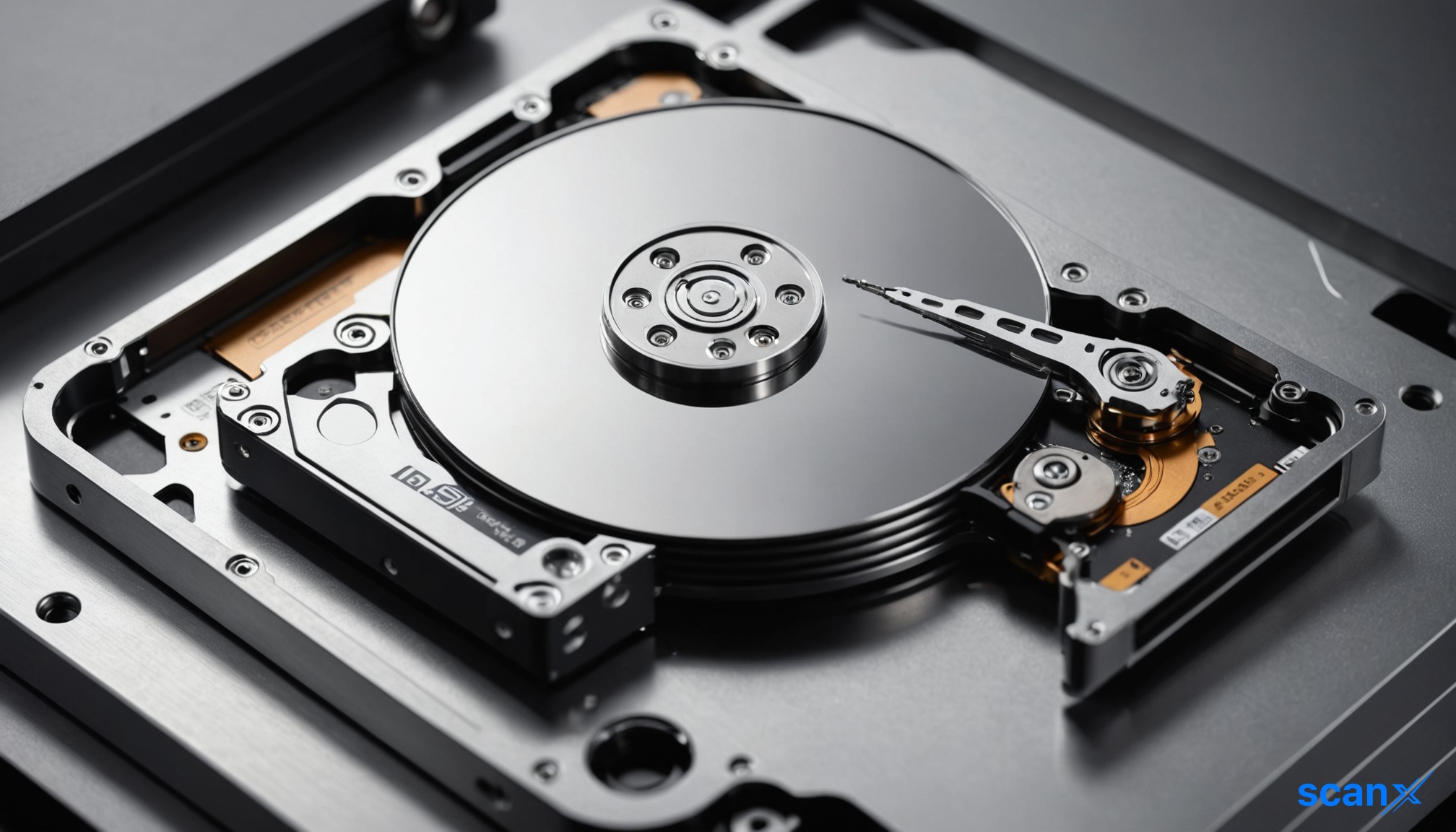

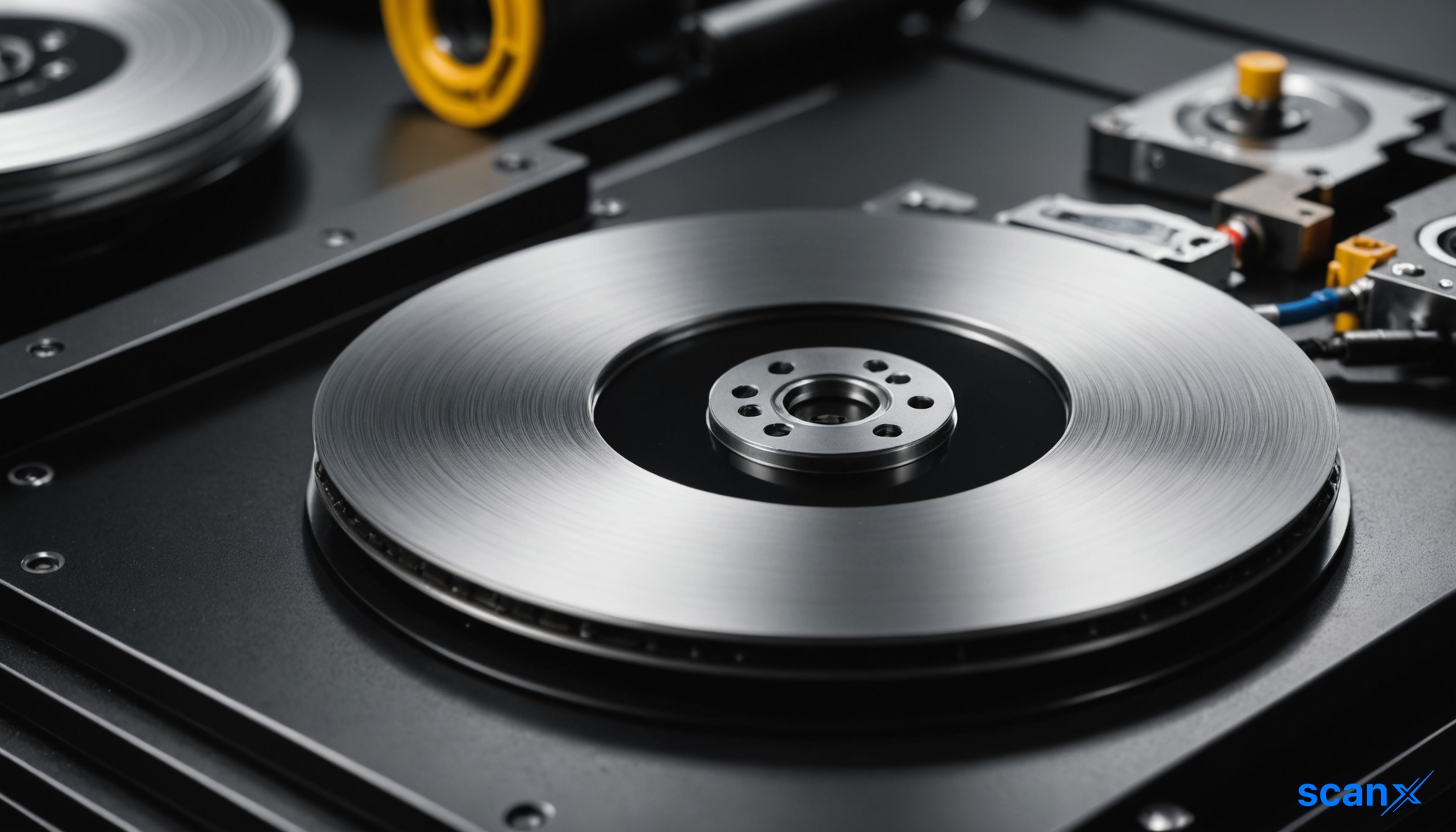
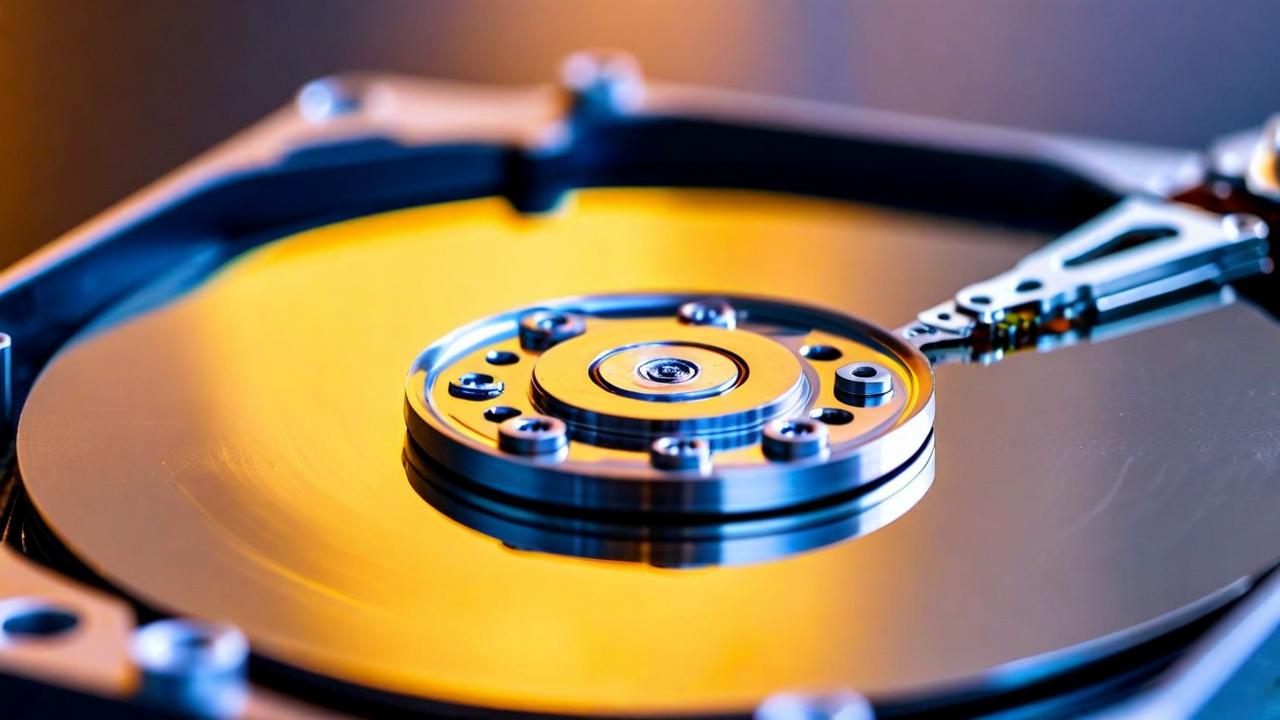
*this image is generated using AI for illustrative purposes only.
Seagate Technology Holdings Plc and Western Digital Corp. shares retreated as investors weighed the impact of expanding hard disk drive manufacturing capacity against the massive capital expenditure requirements of AI infrastructure.
Storage stocks retreat after rally
Memory and hard-disk stocks fell sharply over the past week on heavy trading volume, giving back part of the multi-hundred-percent gains posted earlier in 2026. Seagate and Western Digital traded lower amid a broader technology and semiconductor selloff. At the time of publication on Friday, Seagate Technology shares were down 5.08% at $655.71 and Western Digital shares were down 4.70% at $339.71.
Supply growth raises pricing concerns
Reports indicate that Toshiba plans to double HDD manufacturing capacity for AI data centers by fiscal 2027. This expansion has raised concerns that additional supply could eventually pressure pricing. Developments from China’s ChangXin Memory Technologies have also added to broader caution across memory and storage stocks. Wall Street scrutiny has increased, with firms including UBS lowering price forecasts amid questions about near-term supply-demand conditions.
Hyperscaler spending brings financing risk
The scale of AI investment creates another potential pressure point for the sector. UBP estimates five hyperscalers will spend about $820 billion on capital expenditures in 2026, above their roughly $750 billion in combined operating cash flow. The firm expects this spending to climb to $1 trillion-$1.3 trillion in 2027, potentially creating a funding gap that operating earnings alone may not cover. Hotter-than-expected U.S. inflation has added to these concerns by increasing expectations for further Federal Reserve rate hikes, which could raise the cost of financing large AI infrastructure projects.
What the numbers show
The divergence between hyperscaler capital expenditure forecasts and their operating cash flow highlights a structural dependency in the AI supply chain. With projected 2026 capex of $820 billion exceeding the $750 billion operating cash flow estimate, storage suppliers like Seagate and Western Digital face a scenario where demand is robust but funded by debt or external capital rather than internal cash generation. This dynamic exposes the sector to interest rate volatility, as higher borrowing costs could dampen the pace of infrastructure buildout despite strong underlying data growth from AI inference workloads.
Long-term demand remains supportive
Despite the pullback, Seagate and Western Digital remain up roughly 110% to 150% in 2026. Strong data-storage demand and tight supply have pushed HDD pricing higher, while large-scale spending by cloud providers and hyperscalers has increased demand for high-capacity drives. AI inference workloads and agentic applications are generating growing amounts of data that require storage, supporting demand for the companies’ HDD products.

How might Toshiba's planned capacity doubling by fiscal 2027 impact the pricing power of existing HDD manufacturers like Seagate and Western Digital?
What financing mechanisms will hyperscalers likely adopt to bridge the projected $70 billion gap between 2026 capex and operating cash flow?
Could sustained Federal Reserve rate hikes significantly delay AI infrastructure buildouts, thereby reducing near-term demand for high-capacity storage drives?







 Create Custom Screeners
  Access 200+ Pre-built Filters
  Use 50+ Readymade Screener





