

Toshiba plans $380 million expansion to double HDD capacity by FY27


- Toshiba invests $380 million to double HDD capacity by fiscal 2027
- Analysts estimate market shortage at 300 exabytes versus Toshiba's 75 exabyte addition
- Seagate and Western Digital shares fell 10% on supply concerns before stabilizing
- Seagate and Toshiba compete for TDK's magnetic-head business valued in billions

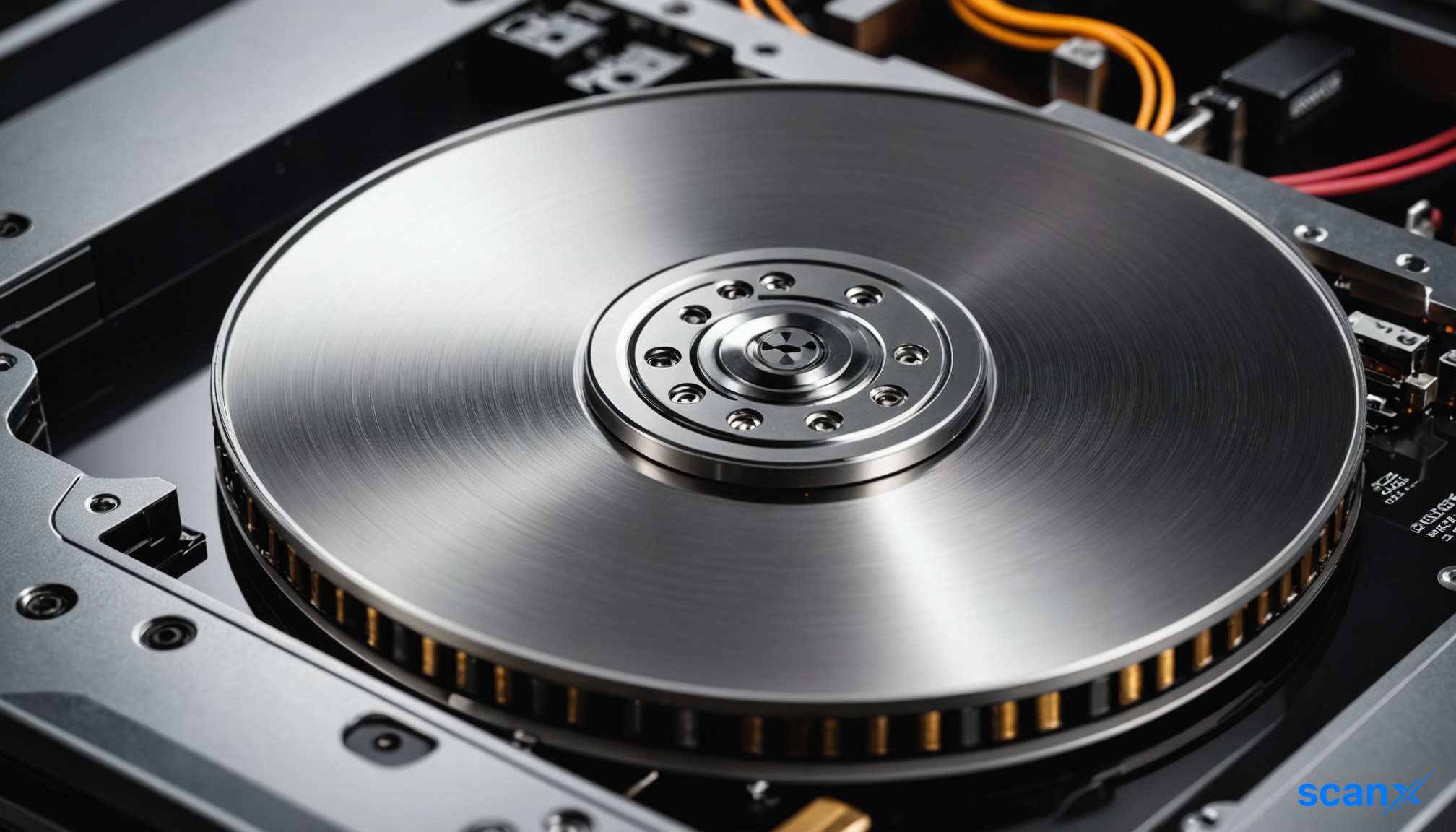

*this image is generated using AI for illustrative purposes only.
Seagate Technology Holdings PLC , Western Digital Corp, and Toshiba are navigating divergent strategies as the artificial intelligence boom drives a resurgence in demand for high-capacity hard disk drives.
Toshiba targets market share growth
Toshiba is investing approximately $380 million into its Philippine operations to nearly double its hard drive production capacity for AI data centers by fiscal 2027. The Japanese company aims to increase its share of the global HDD market by storage capacity from just over 10% toward 30% over time. The expansion includes plans for higher-capacity drives, targeting 65TB-class products around 2030 and eventually 100TB models.
This announcement initially triggered a sell-off in competitor stocks, with Seagate and Western Digital shares falling roughly 10% on Friday. Investors expressed concern that additional supply could erode the scarcity premium that has supported significant gains for both companies in 2026.
However, market analysts offered a counter-narrative. Morgan Stanley noted that even with Toshiba's added capacity, the HDD market is expected to remain undersupplied through 2028. TD Cowen estimated that Toshiba's expansion would add about 75 exabytes of supply, which remains modest against a projected shortage of roughly 300 exabytes.
Competitors defend technology leads
Seagate continues to advance heat-assisted magnetic recording (HAMR) technology through its Mozaic platform, which currently supports drives up to 44TB. The company is targeting a path toward 100TB drives and reports that two leading hyperscalers have qualified its latest platform for production-scale deployments.
Western Digital is pursuing its own high-capacity roadmap with a 40TB UltraSMR drive currently in customer qualification. The company states its HAMR roadmap is designed to reach 100TB and beyond, while also developing technologies focused on performance and power efficiency for AI-scale workloads.
Supply chain consolidation looms
A significant development involves the potential acquisition of TDK's HDD magnetic-head business. Seagate and Toshiba are reportedly competing for this asset, which could command a deal value of several billion dollars. TDK supplies magnetic heads to all three major HDD manufacturers, making the business strategically critical to the entire industry. TDK has stated it has not made a final decision regarding the sale.
What the numbers show
The disparity between Toshiba's planned capacity addition and the estimated market shortage highlights a structural supply gap. While Toshiba's investment adds 75 exabytes, the industry faces a shortfall of approximately 300 exabytes. This suggests that even aggressive capacity expansions may not immediately alleviate pricing pressure or supply constraints for high-capacity drives required by AI infrastructure.
| Company | Current Max Capacity | Target Capacity | Key Technology | Status |
|---|---|---|---|---|
| Seagate | 44TB | 100TB | HAMR (Mozaic) | Qualified by hyperscalers |
| Western Digital | 40TB | 100TB+ | HAMR / UltraSMR | In customer qualification |
| Toshiba | Not specified | 65TB (2030) | Capacity expansion | Investing $380 million |

How might the outcome of the TDK magnetic-head acquisition bid reshape the competitive landscape and supply chain dependencies for Seagate and Toshiba?
What specific pricing strategies might Seagate and Western Digital adopt to maintain margins if Toshiba’s capacity expansion accelerates beyond current analyst projections?
To what extent will hyperscaler demand for 100TB-class drives shift from traditional HDDs to alternative storage technologies like high-density flash or optical media by 2030?







 Create Custom Screeners
  Access 200+ Pre-built Filters
  Use 50+ Readymade Screener





