
 NewsWABAG and PEAK Launch First Bio-CNG Plant in Ghaziabad, Targeting 250,000 Metric Tons Carbon Reduction
WABAG and PEAK Launch First Bio-CNG Plant in Ghaziabad, Targeting 250,000 Metric Tons Carbon Reduction


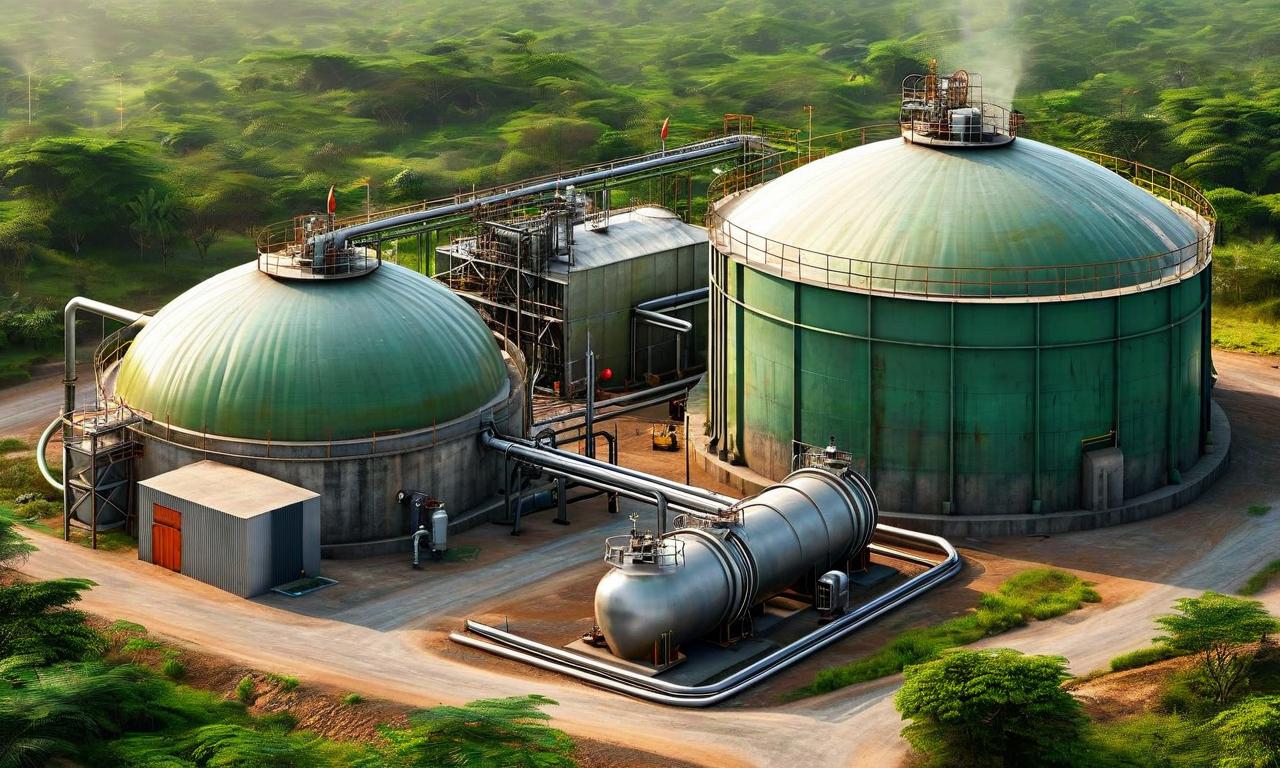
VA Tech WABAG and PEAK Sustainability Ventures announced the development of their first Bio-CNG plant at the 70 MLD STP in Dundaheda, Ghaziabad, under a BOT/PPP model through a newly formed SPV, Ghaziabad Bioenergy Private Limited. The project, part of a broader plan to establish 100 Bio-CNG plants across India, is estimated to reduce approximately 250,000 metric tons of carbon emissions over its life, with WABAG leading execution and a 15-year O&M period.


*this image is generated using AI for illustrative purposes only.
VA Tech WABAG and PEAK Sustainability Ventures have announced the development of their first Bio-CNG plant in Ghaziabad, Uttar Pradesh, marking a significant milestone under their waste-to-energy initiative. The announcement, made on May 13, 2026, represents the first project under a broader collaboration originally announced on January 29, 2024, with a shared vision to establish 100 Bio-CNG plants at sewage treatment facilities across India and other markets.
Project Structure and Execution
The Bio-CNG plant will be developed at the 70 MLD Sewage Treatment Plant (STP) in Dundaheda, Ghaziabad, under a Build-Operate-Transfer (BOT) model on a Public-Private Partnership basis. The project will be executed through a newly incorporated special purpose vehicle, Ghaziabad Bioenergy Private Limited, formed jointly by WABAG and PEAK. Key project parameters are outlined below:
| Parameter: | Details |
|---|---|
| Project Location: | Dundaheda, Ghaziabad, Uttar Pradesh |
| STP Capacity: | 70 MLD |
| Project Model: | Build-Operate-Transfer (BOT) / Public-Private Partnership |
| Special Purpose Vehicle: | Ghaziabad Bioenergy Private Limited |
| Operations & Maintenance Period: | 15 years |
| Commercial Operations Timeline: | Within one year |
| Estimated Carbon Emission Reduction: | ~250,000 metric tons (over project life) |
| Initiative Announced: | January 29, 2024 |
Technology and Environmental Impact
The plant will capture raw biogas generated at the STP, preventing methane emissions into the atmosphere, and upgrade it into high-quality renewable Bio-CNG fuel. This clean fuel is intended to replace conventional fossil fuels in mobility and industrial applications. Methane carries nearly 28 times higher Global Warming Potential than carbon dioxide, and preventing its release is expected to substantially reduce greenhouse gas emissions. Over the life of the project, it is estimated to reduce approximately 250,000 metric tons of carbon emissions.
The initiative also represents a step toward easing global LNG/CNG supply chain pressures by creating a reliable, locally produced renewable gas alternative. By converting an environmental liability into a valuable energy resource, the project demonstrates a circular, scalable, and transformational pathway for India's energy transition.
Socio-Economic and Policy Alignment
Beyond emission reductions, the project is expected to deliver broader socio-economic benefits:
- Air quality improvement for the local community in Ghaziabad
- Employment generation for local residents
- Reverse tipping fee to be paid to Ghaziabad Nagar Nigam for purchasing biogas
- Domestic equipment sourcing, supporting the Government of India's Atmanirbhar Bharat vision
The initiative aligns with key global sustainability goals, including SDG 7 (Affordable and Clean Energy), SDG 3 (Good Health and Well-being), SDG 12 (Responsible Consumption and Production), and SDG 13 (Climate Action).
Partner Roles and Strategic Vision
WABAG will lead project execution and undertake operations and maintenance for a 15-year period. PEAK will invest in the project and provide strategic inputs, global energy technology insights, and support in raising capital from climate-focused investors to accelerate scaling of the waste-to-energy initiative.
Commenting on the project, Mr. Shailesh Kumar, CEO – India Cluster, WABAG, noted that securing this repeat order from an existing client, Ghaziabad Nagar Nigam, reflects WABAG's strong operational excellence and consistent execution capabilities. He emphasized the company's focus on creating greater value for clients by leveraging technical expertise during both execution and operations, and praised the visionary leadership of Ghaziabad Nagar Nigam for pioneering this initiative to convert wastewater into clean energy and revenue.
Mr. Samir Shah, Managing Partner, PEAK, added that the partnership aims to accelerate India's energy transition by converting methane generated by wastewater plants into a clean fuel — CBG. He noted that the initiative strengthens energy security, reduces air pollution, and showcases financially viable climate solutions for India and global markets.
Historical Stock Returns for VA Tech Wabag
| 1 Day | 5 Days | 1 Month | 6 Months | 1 Year | 5 Years |
|---|---|---|---|---|---|
| -2.74% | -2.14% | -3.89% | +73.22% | +39.71% | +502.43% |

How quickly can WABAG and PEAK scale from this first plant to their target of 100 Bio-CNG facilities, and what financing mechanisms will they use to attract climate-focused investors at scale?
Which other Indian cities or municipal bodies are likely to be the next targets for Bio-CNG plant development under this partnership, given the success of the Ghaziabad model?
How might India's evolving regulatory framework around compressed biogas, including the SATAT scheme, impact the commercial viability and expansion pace of this waste-to-energy initiative?
 20
20







 Access 50+ Readymade Screeners
  Use 200+ Custom Filters
  Get Full Market Insights





