

US DOT warns Ford CEO over China ties with CATL and Geely


- US Department of Transportation sent letter to Ford CEO criticizing China partnerships
- Agency expressed deep alarm over Ford's reliance on Chinese battery maker CATL
- Ford-Geely joint venture in Spain cited as helping adversaries secure European foothold

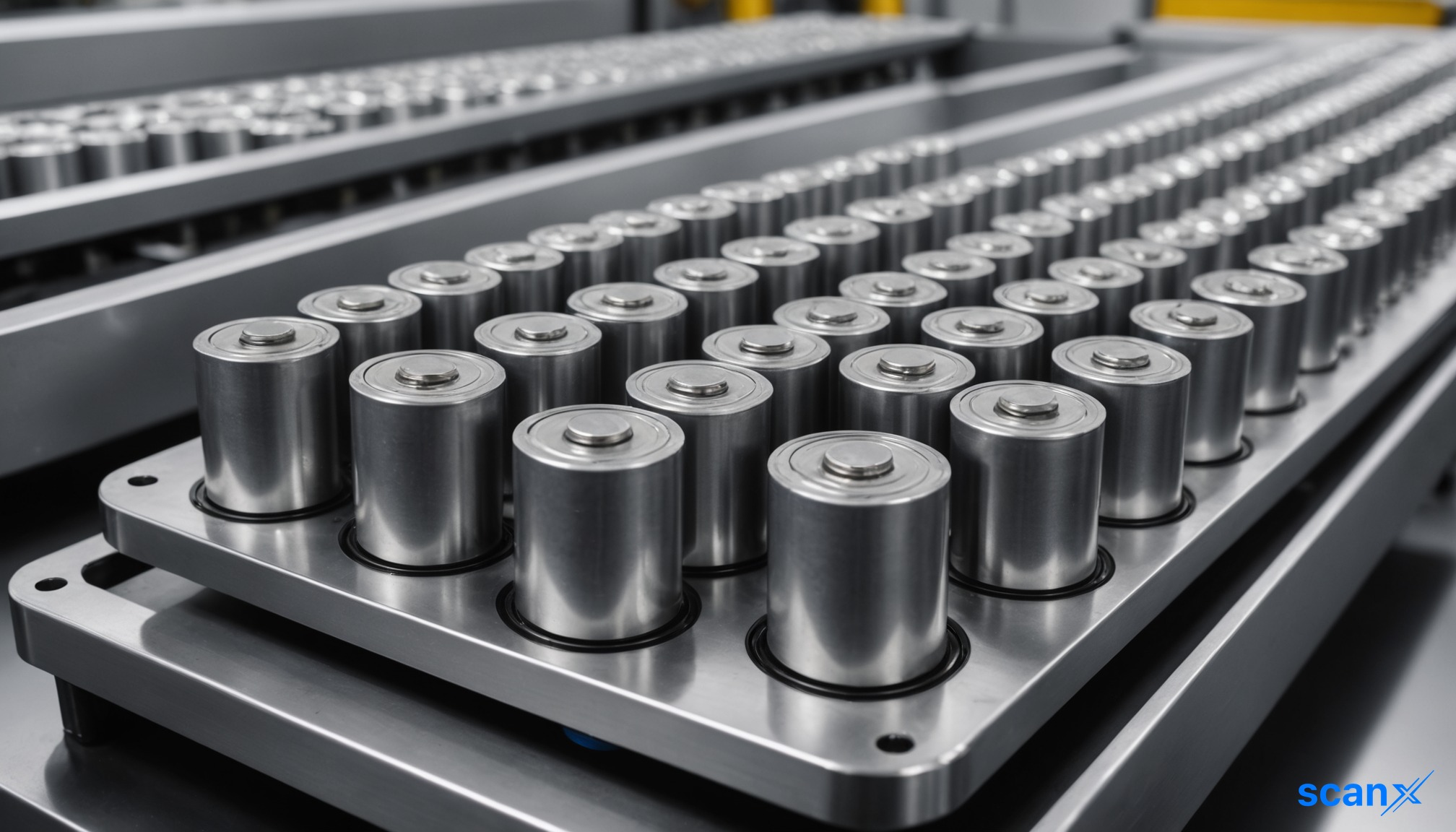

*this image is generated using AI for illustrative purposes only.
The US Department of Transportation sent a letter to Ford Motor Company's chief executive, expressing deep alarm over the automaker's reliance on Chinese battery maker CATL.
Administration's concerns over Ford's China links
The agency also criticized Ford's joint venture with Chinese automaker Geely in Spain, stating it helps strategic adversaries secure a vital foothold in Western Europe. The US Department of Transportation flagged two distinct areas of concern regarding Ford's relationships with Chinese firms. The first centres on Ford's dependence on CATL, one of the world's largest electric vehicle battery manufacturers, for its battery supply chain. The second involves the joint venture between Ford and Geely, which the administration warned could extend Chinese strategic influence into Western Europe through operations in Spain.
Key concerns raised by the Trump administration
| Issue | Details |
|---|---|
| Battery supply concern | Deep alarm over Ford's reliance on Chinese battery maker CATL |
| Joint venture concern | Ford-Geely JV in Spain flagged as potential Chinese strategic foothold in Western Europe |
| Flagging authority | US Department of Transportation (USDOT) |
The administration's criticism reflects broader US policy concerns about Chinese companies gaining influence in critical technology supply chains and strategic Western markets. Ford's ties with CATL and Geely have drawn scrutiny as Washington intensifies its focus on reducing American corporate dependence on Chinese partners in the electric vehicle sector.

What specific regulatory penalties or supply chain restrictions could the USDOT impose on Ford if it fails to reduce its reliance on CATL?
How might this intervention impact the viability and future operations of the Ford-Geely joint venture in Spain?
Which alternative battery suppliers in North America or Europe could Ford pivot to, and what are the associated costs and timelines for such a transition?
 17
17








 Access Market Heat-map & Insights
  Create, Save & Share your Screener
  Use 200+ Screening Filters





