

Ford CEO warns Chinese automakers could enter US market in next decade


Ford Motor CEO Jim Farley warns that Chinese automakers may enter the U.S. market in the next decade. This internal message highlights growing competitive threats from global rivals. The statement underscores strategic risks for domestic manufacturers.


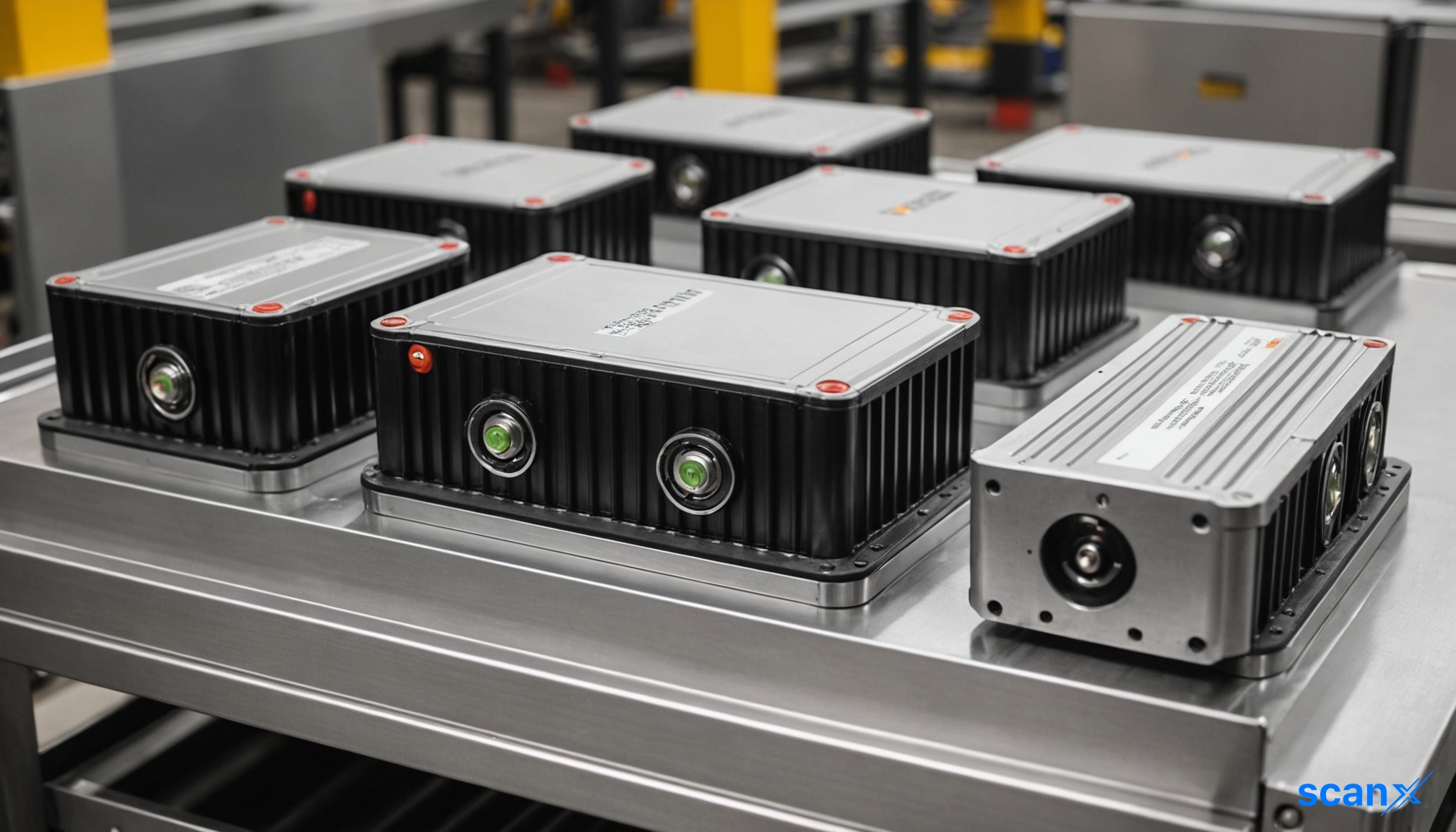
*this image is generated using AI for illustrative purposes only.
Ford Motor Company CEO Jim Farley has cautioned employees that Chinese automakers could enter the United States market within the next decade, signaling a potential shift in the competitive landscape for domestic auto manufacturers. This warning comes as global supply chains evolve and international trade dynamics continue to reshape the automotive sector. The prospect of entry by Chinese competitors adds a layer of complexity to Ford's long-term strategy in its home market.
Strategic Implications
Farley’s comments reflect broader concerns regarding the rapid advancement of Chinese electric vehicle technology and manufacturing capabilities. While no specific companies or timelines were detailed beyond the "next decade" window, the assertion suggests that regulatory or trade barriers may not indefinitely prevent market penetration. For Ford, this implies a need to accelerate innovation and maintain cost competitiveness against potential new entrants.
Competitive Landscape
The U.S. automotive industry has historically been dominated by domestic and established foreign brands. However, the rise of Chinese EV makers has disrupted markets globally. Farley’s internal communication indicates that leadership views this as a material risk requiring proactive management. Employees are being alerted to prepare for increased competition, which may influence product development and operational efficiency initiatives.
What the Numbers Show
While no specific financial figures were disclosed in the report, the strategic implication is significant. Entry by Chinese automakers could pressure margins and market share for incumbents like Ford. The company’s ability to respond will depend on its execution of current electrification plans and cost-reduction strategies. Investors should monitor future filings for any updates on trade policy impacts or competitive responses.
| Key Detail | Information |
|---|---|
| Speaker | Jim Farley, CEO |
| Company | Ford Motor Company |
| Timeframe | Next decade |
| Source | Reuters Exclusive |
The absence of immediate financial data limits quantitative analysis, but the qualitative signal is clear: Ford anticipates heightened competition. This forward-looking statement serves as an early indicator of strategic priorities for the company’s workforce and stakeholders.

How might potential U.S. tariff adjustments or trade policies evolve to mitigate the impact of Chinese EV market entry over the next decade?
What specific cost-reduction strategies is Ford prioritizing to maintain margin competitiveness against lower-cost Chinese manufacturing models?
Which Chinese automakers are best positioned to overcome regulatory hurdles and establish a foothold in the U.S. market within the predicted timeframe?
 15
15





 Create Custom Screeners
  Access 200+ Pre-built Filters
  Use 50+ Readymade Screener





