

Transgene, NEC report 100% three-year disease-free survival for TG4050


- All 16 TG4050-treated patients achieved 100% three-year disease-free survival
- Three of 16 control arm patients experienced relapse after median 41-month follow-up
- Vaccine induced neoantigen-specific T cell responses in 73.3% of treated patients
- Comprehensive Phase 1 data published in peer-reviewed journal Nature Communications

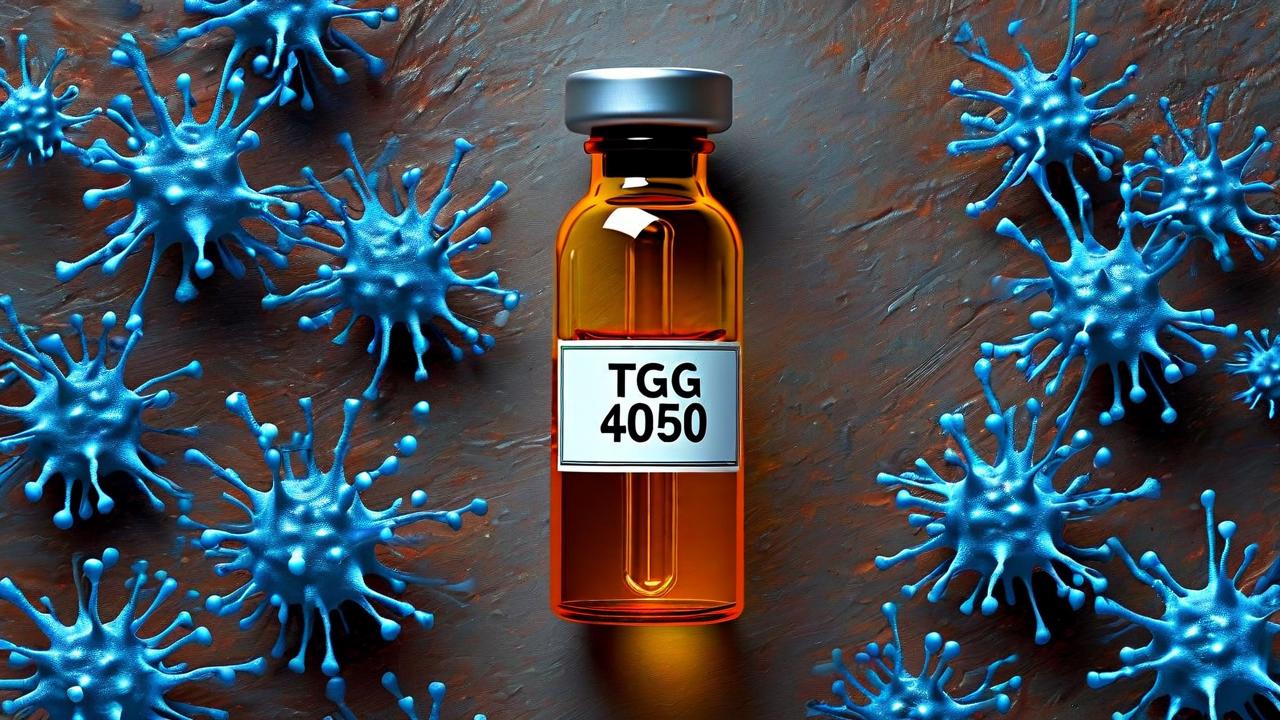

*this image is generated using AI for illustrative purposes only.
Transgene and NEC Corporation reported 100% three-year disease-free survival (DFS) for patients treated with TG4050 in a Phase 1 trial for head and neck cancer.
The companies also announced the publication of comprehensive Phase 1 clinical and translational data in Nature Communications. The findings highlight durable neoantigen-specific T cell responses in patients with resected, locally advanced HPV-negative head and neck squamous cell carcinoma (HNSCC).
Clinical Outcomes
Three-year follow-up data from the Phase 1 part of the randomized Phase 1/2 trial demonstrate sustained clinical outcomes in the adjuvant setting. All 16 patients treated with TG4050 remained disease-free after a median follow-up of 41 months. In contrast, three of 16 patients in the control arm experienced relapse.
TG4050, which encodes up to 30 patient-specific neoantigens, maintained a favorable safety profile with no unexpected safety findings reported during the study period.
Immune Response Data
The peer-reviewed publication details robust and persistent neoantigen-specific CD8+ T-cell responses consistent with the vaccine’s mechanism of action. Key immunological findings include:
- Vaccine-induced responses were detected in 73.3% of patients treated with TG4050.
- Responders showed a median of three responding neoantigens per patient.
- These immune responses persisted for more than one year after the last vaccination.
Alessandro Riva, Chairman and CEO of Transgene, stated that the sustained neoantigen-specific immune responses provide evidence that the individualized therapeutic vaccine approach can generate durable anti-tumor immunity.
What the Numbers Show
The divergence between the treatment and control arms is stark: while 100% of TG4050-treated patients remained disease-free at the three-year mark, the control arm saw a relapse rate of approximately 18.75% (three out of 16 patients). This separation, combined with the high responder rate (73.3%) for neoantigen-specific T cells, suggests a strong correlation between the vaccine-induced immune response and sustained clinical remission in this cohort.
Next Steps
TG4050 continues to be evaluated in the ongoing randomized Phase 1/2 clinical trial (NCT04183166). Upcoming milestones include:
- First immunological data from the Phase 2 study in H2 2026.
- Two-year efficacy data (DFS) from the Phase 2 study in Q1 2028.
Masaki Kondo, Managing Director of NEC’s Life Science Division, noted that the results demonstrate the capacity of NEC’s AI-powered neoantigen prediction to identify tumor targets capable of generating clinically meaningful immune responses.
Historical Stock Returns for Transgene Biotek
| 1 Day | 5 Days | 1 Month | 6 Months | 1 Year | 5 Years |
|---|---|---|---|---|---|
| -9.30% | -12.69% | -19.31% | +18.18% | -40.91% | -30.97% |

How might the validation of NEC's AI-driven neoantigen prediction model impact the scalability and cost-effectiveness of personalized cancer vaccines for broader patient populations?
What are the potential regulatory pathways and timelines for TG4050 to achieve FDA or EMA approval, given the strong Phase 1 data but limited sample size?
Could this success in HPV-negative head and neck squamous cell carcinoma accelerate Transgene's expansion into other solid tumors with high mutational burdens?
 15
15







 Access 50+ Readymade Screeners
  Use 200+ Custom Filters
  Get Full Market Insights





