

Tesla faces NHTSA robotaxi probe as owner praises safety in crash


- NHTSA opened an evaluation on October 9 covering 1,000 Tesla vehicles over alleged school zone speeding
- Tesla received an extension until October 30 to respond to NHTSA queries on Cybercab certification
- Owner Jeff Fantin credited Tesla safety features for saving his and his son's lives in a freeway crash
- Elon Musk reiterated 'safety first' priority following Maye Musk's praise of the company's design ethos
- TSLA shares fell 1.07% to $373.99 in pre-market trading on Tuesday


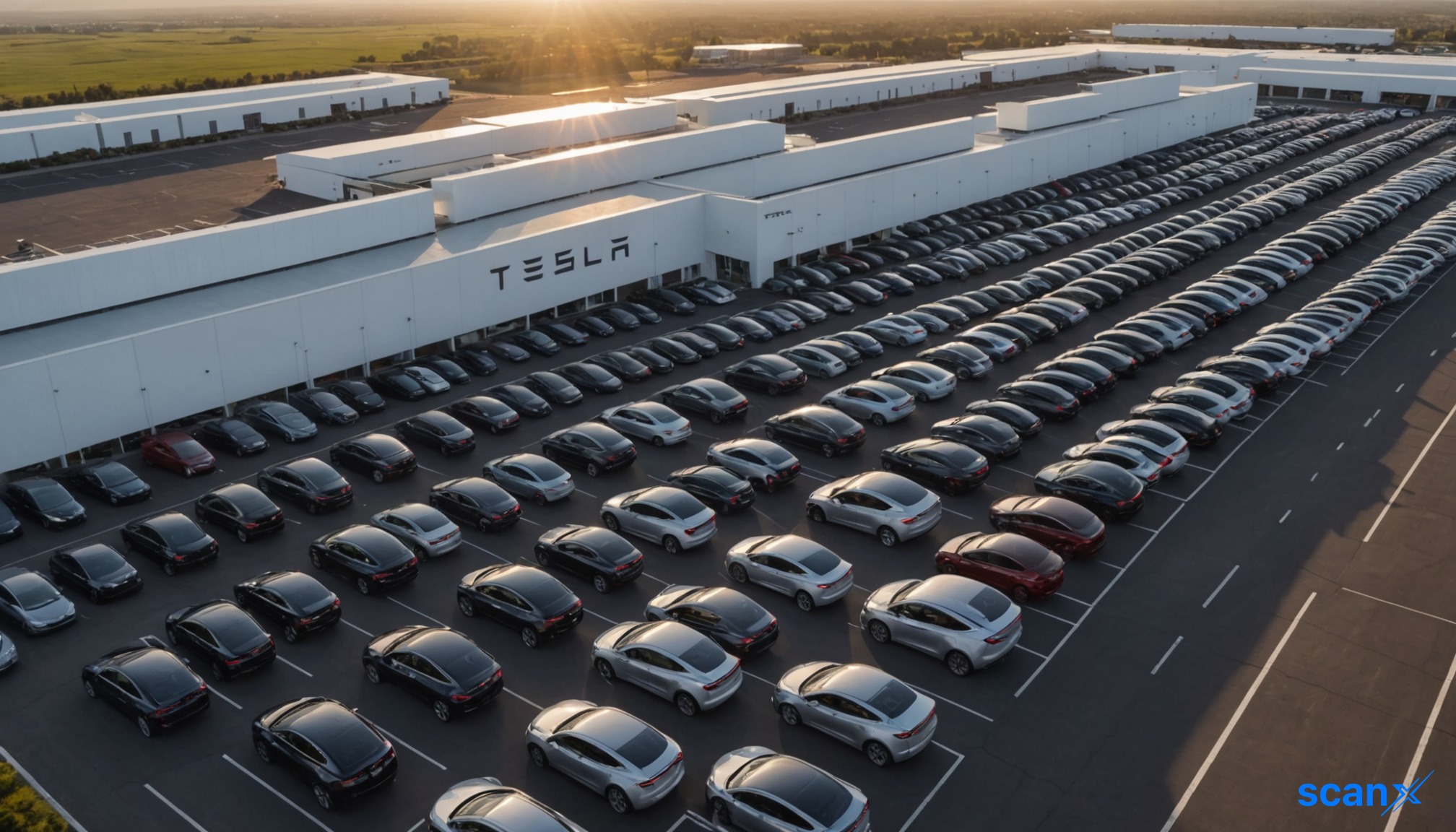
*this image is generated using AI for illustrative purposes only.
Tesla Inc is under regulatory scrutiny after the National Highway Traffic Safety Administration (NHTSA) received a petition alleging its robotaxis exceeded speed limits in active school zones, with the agency opening an evaluation on October 9.
The petition was filed on September 23 and the NHTSA evaluation became public on Monday, two days after Tesla announced an eightfold expansion of its Austin Cybercab fleet. The petitioner submitted three video links as evidence of alleged speeding by 2026 Model Y and Cybercab vehicles. NHTSA estimates the review covers 1,000 vehicles. Agency records list four incidents, including three social media reports, but no crashes, injuries, or fatalities. Regulators have not decided whether to launch a formal investigation.
Key details of the NHTSA evaluation
The following table summarises the key parameters of the ongoing regulatory review:
| Parameter | Details |
|---|---|
| Petition received | September 23 |
| Evaluation opened | October 9 |
| Vehicles covered | 1,000 (estimated) |
| Vehicles implicated | 2026 Model Y and Cybercab |
| Evidence submitted | Three video links |
| Incidents on record | Four (including three social media reports) |
| Crashes/injuries/fatalities | None reported |
Tesla separately faces an NHTSA investigation into how it certified its steering-wheel-free Cybercab under federal vehicle safety standards. Tesla said on Saturday it had more than 300 Cybercabs serving Austin. A subsequent NHTSA order published on September 29 gave Tesla an extension to furnish its response regarding Cybercab certification, moving the deadline to October 30.
Owner credits safety features after crash
Amid the regulatory scrutiny, Tesla CEO Elon Musk highlighted a customer testimonial reinforcing the company's safety narrative. On Monday, user Jeff Fantin posted on X that he and his son survived a freeway accident while returning from a Tesla Owners Silicon Valley event. "My son and I are sitting in the ER alive tonight thanks to my Tesla and God's grace," Fantin said, crediting the vehicle's safety features.
Maye Musk, Elon Musk's mother, quoted the post on October 12, stating, "Remembering when Tesla was just starting, Elon would say Safety First." She added that this approach saved their lives and would save many others. Elon Musk subsequently replied, "Your safety has always been priority 1 at Tesla and SpaceX," reaffirming the company's design philosophy across both ventures.
Speeding concerns stretch back to 2025
Concerns about Tesla robotaxi speeds are not new. A Reuters reporter observed a Tesla robotaxi travelling 40 to 45 mph in a 35 mph zone beside the Texas School for the Deaf during the company's June 2025 launch. Signs warned motorists about deaf pedestrians, although Reuters did not establish whether an active school-zone speed restriction applied at the time. NHTSA also contacted Tesla following videos showing apparent traffic violations during that launch.
Speed limit compliance has attracted scrutiny in Europe as well. A Belgian study found Tesla's supervised Full Self-Driving software exceeded legal limits on 55% of tested Brussels road segments, while Tesla pressed European regulators to accelerate approval. The European system requires driver supervision, whereas Tesla's US robotaxi service still uses human safety monitors in some operations.
CEO Elon Musk addressed the risk of regulatory intervention during Tesla's July 22, 2026, earnings call. "If we injure even one person, it will be worldwide headline news," he said. "And regulators will immediately clamp down on our activities."
Prediction markets reflect uncertain expansion outlook
Prediction markets indicate an uneven rollout for Tesla's robotaxis. The following table captures current market probabilities for key milestones:
| Event | Platform | Probability |
|---|---|---|
| Tesla launches qualifying robotaxi service in Nevada by year-end | Kalshi | 65% |
| Tesla launches qualifying robotaxi service in Arizona by year-end | Kalshi | 51% |
| Tesla launches qualifying robotaxi service in Georgia by year-end | Kalshi | 24% |
| Tesla launches robotaxis in California by December 31 | Polymarket | 13% |
| Tesla sells a Cybercab for $30,000 or less in 2026 | Polymarket | 19% |
The Cybercab retail sale contract on Polymarket requires an actual retail transaction, not merely the addition of Cybercabs to Tesla's robotaxi fleet. TSLA shares were down 1.07% to $373.99 during pre-market trading on Tuesday.

How might the NHTSA's decision to open an evaluation rather than a formal investigation impact Tesla's timeline for expanding its robotaxi service to Nevada and Arizona?
Will the extension granted for the Cybercab steering-wheel certification response influence the likelihood of the October 30 deadline being met without further regulatory pushback?
Could the Belgian study findings on FSD speed compliance create additional barriers for Tesla's efforts to secure European regulatory approval?





 Access Market Heat-map & Insights
 Create, Save & Share your Screener
 Use 200+ Screening Filters





