Tesla deliveries beat estimates; analyst forecasts 15% growth next year

scanx
Reviewed by
Ritika DScanX News Team
Key Highlights
  • Tesla September deliveries down 2% YoY, but up 8% when adjusted for expired EV tax credit
  • Ford and GM EV deliveries fell approximately 75% in September amid pricing challenges
  • Analyst Gene Munster forecasts 15% delivery growth for Tesla next year vs 9% street estimate
  • Full Self-Driving software cited as key differentiator driving consumer preference over rivals
powered bylight_fuzz_icon
52788047

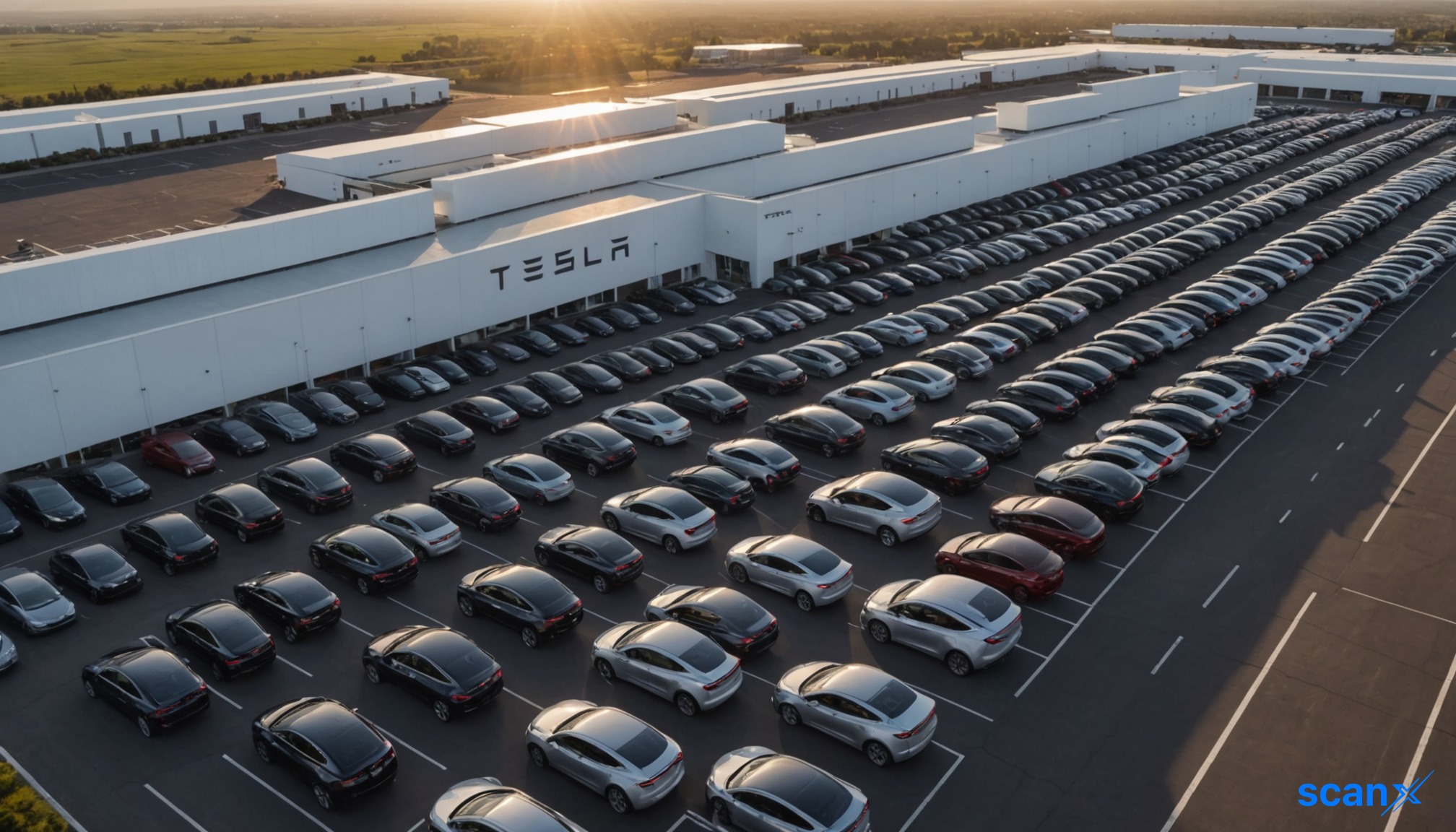
*this image is generated using AI for illustrative purposes only.

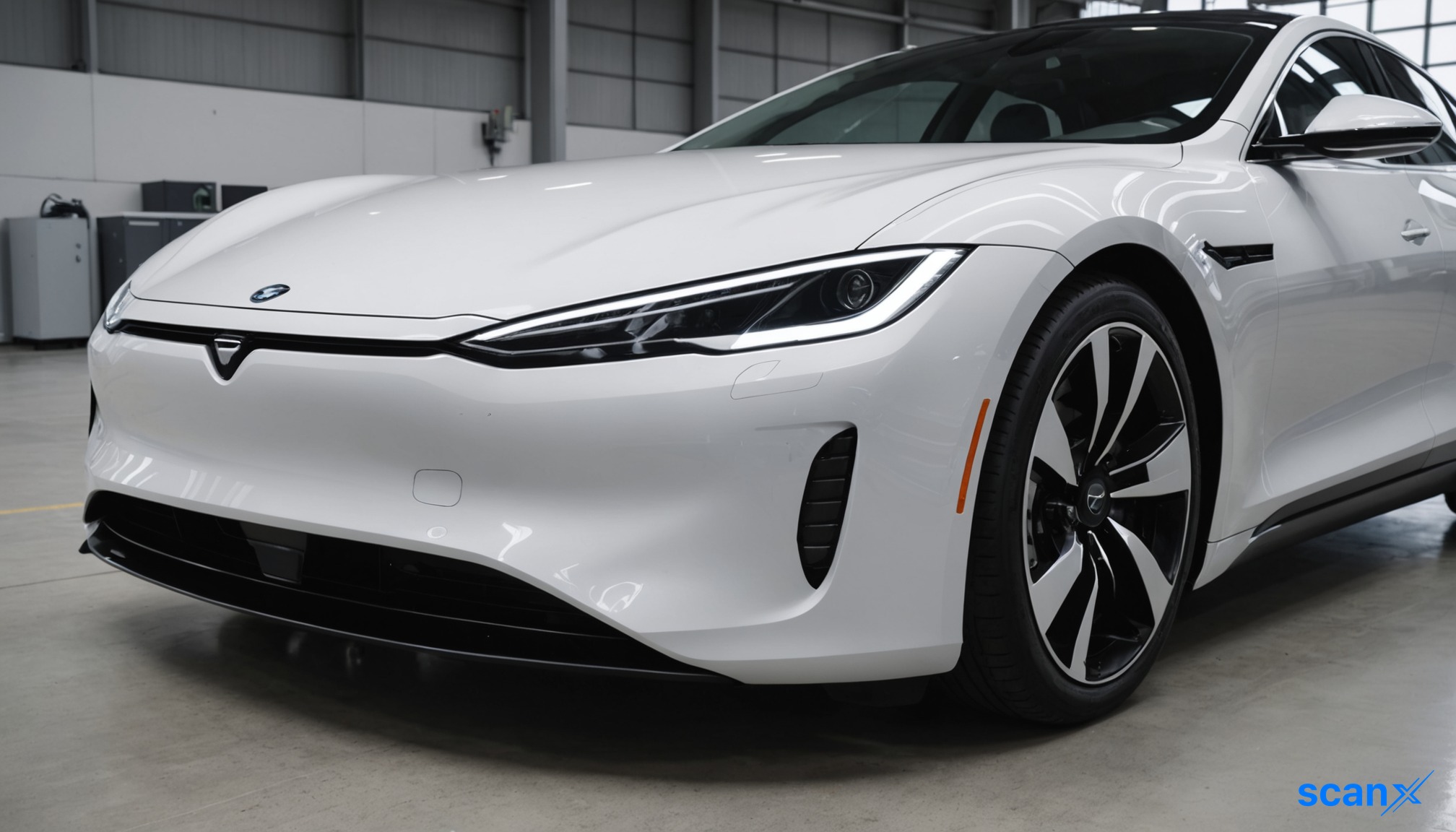
Tesla Inc shares traded higher following third-quarter delivery figures that exceeded analyst expectations. The results signal a potential shift in market dynamics as the company navigates the expiration of federal incentives.

Delivery performance and market context

Tesla reported a 2% year-over-year decline in September deliveries. However, this figure contrasts with a comparable period that included the federal EV tax credit, which expired on September 30, 2025. Adjusting for the tax credit's impact, Deepwater Asset Management Managing Partner Gene Munster estimated that September deliveries would have been up 8% year-over-year.

Munster noted that Tesla's automotive business has returned to growth for two consecutive quarters. He attributed this momentum to rising gas prices in the United States and the company's specific value proposition to buyers.

Competitive landscape and Ford, GM

Traditional automakers face significant headwinds in the electric vehicle segment. Munster highlighted that companies such as Ford Motor Company and General Motors Company saw electric vehicle deliveries drop by approximately 75% in September. He described these competitors as being in a difficult position, forced to choose between pricing vehicles cheaply at a loss or pricing them higher with limited demand.

Metric Tesla (Adjusted) Traditional OEMs (Ford/GM)
Sept Delivery Trend Up 8% YoY Down ~75%
Key Driver FSD and Value Pricing constraints

Growth outlook and full self-driving

Munster projects that Tesla's deliveries will increase by around 15% next year, surpassing the Street's current estimate of 9%. This forecast relies on two sustainable tailwinds: increased demand driven by fuel costs and the adoption of Full Self-Driving (FSD) software.

The analyst emphasized FSD as a critical differentiator against traditional automakers' EVs, which lack equivalent autonomous capabilities. He suggested that word-of-mouth from FSD users could drive further sales. While acknowledging that overall EV demand might soften if gas prices fall, Munster maintained that Tesla retains the most compelling lineup for the dollar, excluding Chinese EV makers. He noted that traditional automakers might need to license FSD technology to remain competitive, a process he expects to unfold over the next decade.

Disclaimer: This article is AI-generated using data from ViewTrade. ScanX is not liable for any inaccuracies.

How will the expiration of federal EV incentives impact Tesla's pricing strategy and profit margins in Q4 2025?

What specific regulatory or technical hurdles must traditional automakers overcome to license Tesla's Full Self-Driving technology within the next decade?

To what extent does the projected 15% delivery growth depend on sustained high U.S. gas prices, and how sensitive is demand to a potential drop in fuel costs?

Tesla CEO Musk backs engineer's warning on AI compute shortage

scanx
Reviewed by
Jubin VScanX News Team
Key Highlights
  • Elon Musk agreed with engineer Yun-Ta Tsai that Tesla's custom inference computers are strategically vital amid rising AI demand
  • Tesla plans to produce AI5 and AI6 custom chips in 2027 and 2028 respectively
  • The company is developing a $3 billion Terafab in Austin to secure long-term AI chip supply
  • Musk stated Tesla would lack sufficient AI chips for Optimus scaling without the Terafab
powered bylight_fuzz_icon
52739609

*this image is generated using AI for illustrative purposes only.

Tesla Inc. CEO Elon Musk affirmed that the automaker's early investment in custom inference computers may prove pivotal as artificial intelligence demand accelerates. Musk agreed with an internal engineer's assessment that current compute shortages represent only the initial phase of a broader constraint.

Engineer cites scaling advantage

In response to Tesla engineer Yun-Ta Tsai on X, Musk stated "Yes" regarding the strategic value of Tesla's proprietary hardware. Tsai argued that the company's years of iterating and scaling its own inference computers for each vehicle sold could be "unprecedented" before the superintelligence era. He noted, "The current compute shortage is only the tip of the iceberg. When autonomy becomes indispensable, the real shortage will follow."

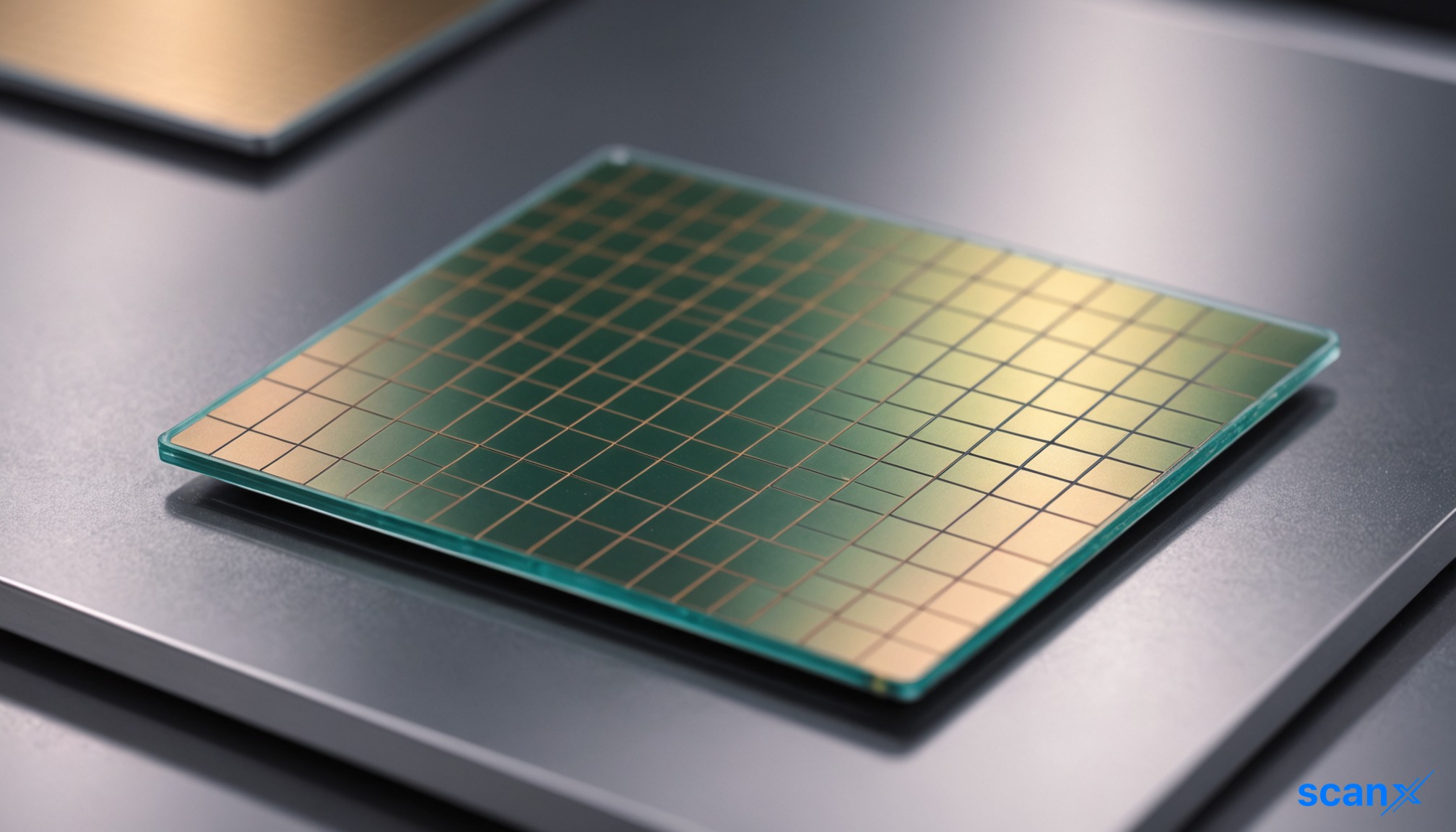
Tesla's approach relies on advanced vision and planning AI supported by efficient inference hardware. The company states its custom chips are optimized for performance per watt and mass deployment in cars, reducing reliance on general-purpose processors.

Chip roadmap and Terafab strategy

Tesla's hardware strategy is advancing through its AI5 and AI6 chip generations. The company reported in January that development of both custom inference chips had progressed, with production planned for 2027 and 2028, respectively. Musk has indicated AI5 will "punch far above its weight," primarily optimizing for edge computing in Robotaxi and Optimus applications.

To address long-term supply constraints, Tesla is pursuing the Terafab project. During the second-quarter earnings call, Musk explained that the facility is necessary because Tesla otherwise "simply won't have enough AI chips" to scale Optimus. The project aims to accelerate iteration across logic, memory, packaging, and chip testing.

Project Timeline / Cost Purpose
AI5 Chip Production 2027 Edge computing for Robotaxi/Optimus
AI6 Chip Production 2028 Next-gen inference hardware
Terafab ~$3 billion (Austin) Secure AI chip supply chain

Reuters reported in April that Tesla, SpaceX, and xAI are pursuing Terafab partly because Musk expects external suppliers cannot satisfy their long-term chip requirements. The broader industry context involves hundreds of billions of dollars flowing into AI infrastructure as companies secure chips, cloud capacity, and power.

What the numbers show

The disclosed figures highlight a divergence between near-term product timelines and long-term infrastructure needs. While AI5 and AI6 production are scheduled for 2027 and 2028, the $3 billion Austin fab investment signals that Tesla anticipates chip scarcity extending well beyond these dates. This suggests the company views semiconductor supply, rather than software capability alone, as the primary bottleneck for scaling autonomous systems.

Disclaimer: This article is AI-generated using data from ViewTrade. ScanX is not liable for any inaccuracies.

How might the $3 billion Terafab investment impact Tesla's capital expenditure outlook and free cash flow projections through 2028?

What specific competitive advantages will Tesla's AI5 and AI6 chips offer against Nvidia's upcoming Blackwell and Rubin architectures in the edge inference market?

Could the Terafab project trigger a broader industry shift toward vertical integration among other major AI developers facing similar supply constraints?

More News on Tesla