Gary Black cites gas prices over FSD for Tesla Q3 sales surge

scanx
Reviewed by
Jubin VScanX News Team
Key Highlights
  • Tesla delivered 486,532 units in Q3FY26, beating consensus estimates but falling 2% YoY
  • Gary Black attributes sales growth to a 50% increase in gas prices rather than FSD adoption
  • Waymo operates 4,000+ driverless vehicles in 15 metros compared to Tesla’s 589 in Texas
  • Tesla adjusted Austin Robotaxi hours to address nighttime visibility issues with camera-only FSD
powered bylight_fuzz_icon
52722083

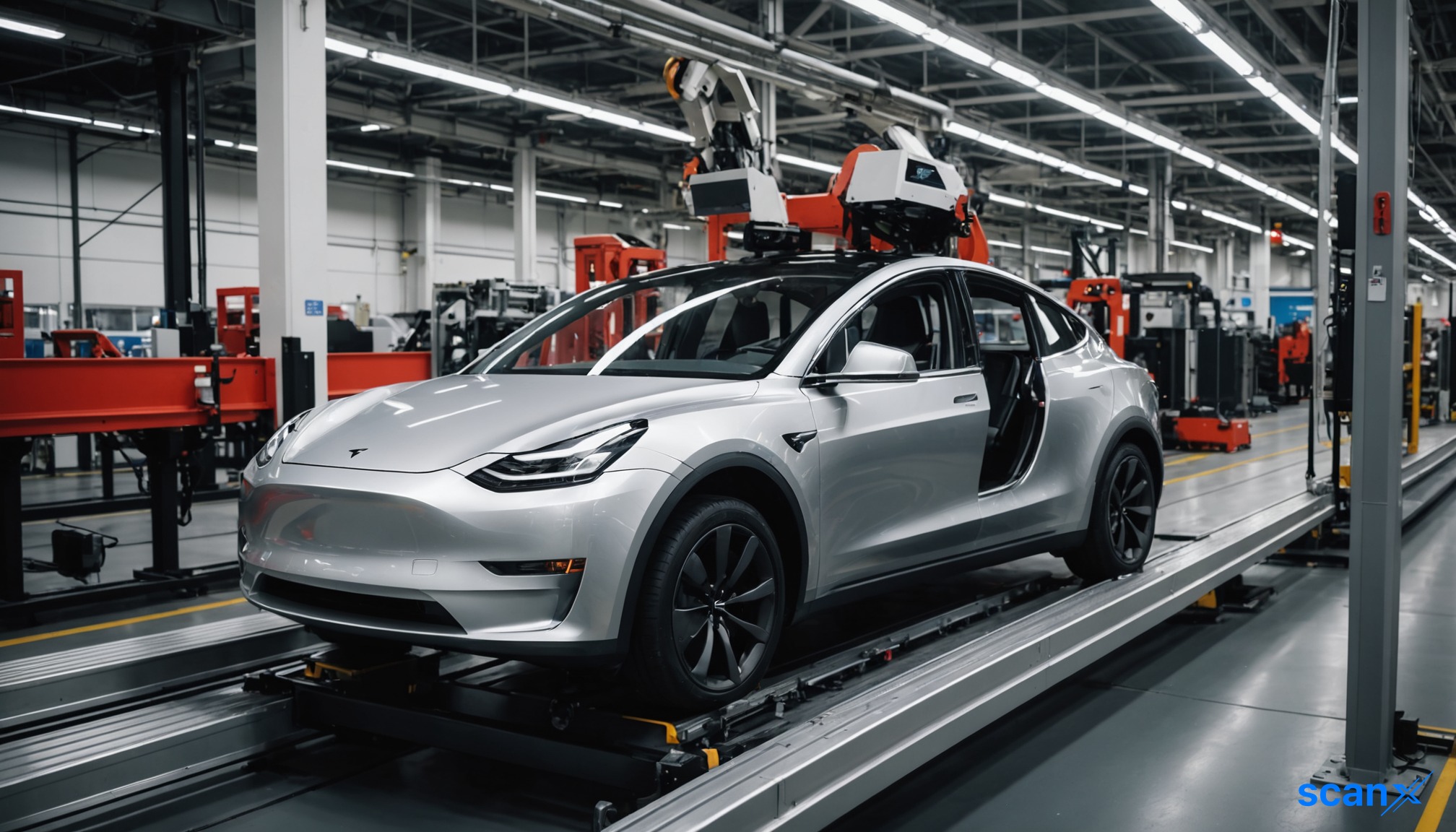
*this image is generated using AI for illustrative purposes only.

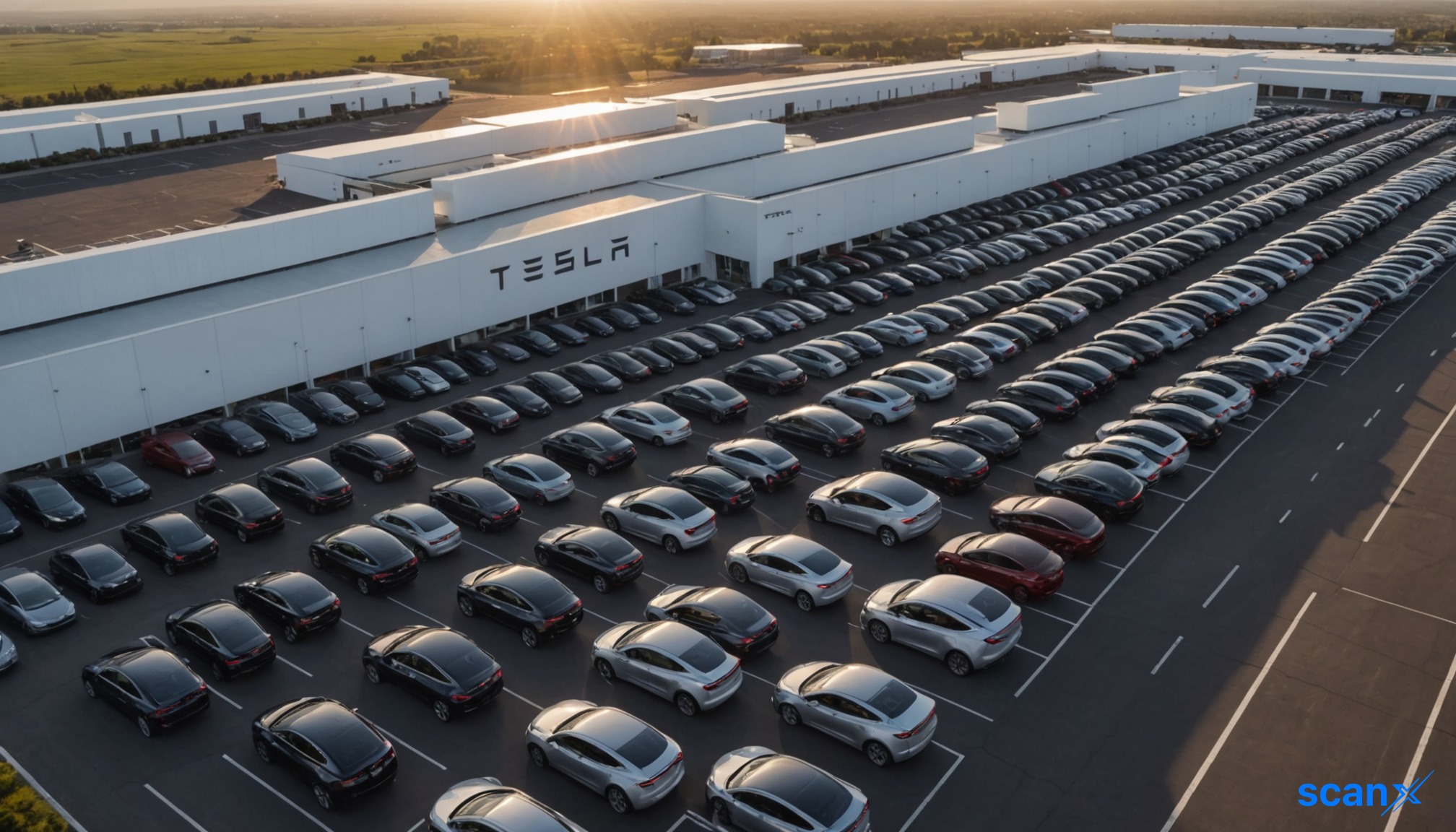
Tesla Inc. delivered 486,532 units in Q3FY26, a figure investor Gary Black attributes primarily to a 50% rise in gasoline prices since February rather than widespread Full Self-Driving (FSD) adoption.

Black noted that while deliveries exceeded the consensus estimate of 462,000, they remained down 2% year-on-year from the record 497,099 units sold in Q3FY25. The prior year’s peak was fueled by the expiration of the $7,500 Federal EV Credit on September 30, 2025. Black argued that only 35% of Tesla’s sales originate from the US, and unsupervised FSD is approved in a single-digit percentage of the country, limiting its direct impact on global volume.

Competitive Landscape: Tesla vs Waymo

Black highlighted a significant disparity in autonomous driving scale between Tesla and Alphabet’s Waymo. While Tesla has secured approval for unsupervised driving in six metropolitan cities, Waymo operates in 15 US metros.

Metric Tesla Waymo
Approved Metros 6 15
Driverless Vehicles 589 (Texas) 4,000+ (Nationwide)

The investor emphasized that Tesla’s FSD scale-up has fallen short of management guidance, with investors now focused on efforts to expand autonomy against competitors. Rivian Automotive also reported strong Q3 results, beating expectations while maintaining its FY26 guidance of 65,000-70,000 units.

Robotaxi Operational Challenges

Tesla recently adjusted its Austin Robotaxi service cutoff from 10:00 pm to 11:00 pm to address nighttime visibility issues. Elon Musk stated the company is working to improve FSD performance in poor lighting conditions, specifically noting challenges in detecting pets on roads at night. Unlike Waymo, which utilizes LiDAR alongside cameras, Tesla’s FSD relies exclusively on camera-based vision systems.

What the Numbers Show

The divergence between Tesla’s delivery beat and its autonomous scaling metrics suggests that current demand is driven by macroeconomic factors like fuel costs rather than technological superiority in autonomy. With Waymo operating nearly seven times more driverless vehicles across more than double the number of cities, Tesla’s competitive edge in the robotaxi sector appears constrained by regulatory approvals and operational scale despite its larger overall vehicle footprint.

Disclaimer: This article is AI-generated using data from ViewTrade. ScanX is not liable for any inaccuracies.

How might Tesla's reliance on camera-only vision systems impact its ability to secure regulatory approvals in new metropolitan areas compared to LiDAR-equipped competitors like Waymo?

If gasoline prices stabilize or decline, what specific technological milestones must Tesla achieve to sustain delivery growth independent of macroeconomic fuel cost factors?

What strategic adjustments might Tesla make to its Robotaxi operational hours and safety protocols to address nighttime visibility challenges without compromising service competitiveness?

Tesla secures $30 billion in credit facilities for AI and production

scanx
Reviewed by
Naman SScanX News Team
Key Highlights
  • Secured $30 billion in new financing capacity for AI and manufacturing capex
  • Package includes $20 billion term loan, $8 billion five-year revolver, and $2 billion short-term revolver
  • Optimus robot chip memory reduced to 72GB (AI5) and 144GB (AI6) to boost production volume
  • Roadster reveal postponed from October 1 to October 15 due to severe weather forecasts
  • Volume production of Tesla Semi begins with initial 500-unit order from Einride AB
powered bylight_fuzz_icon
52673805

*this image is generated using AI for illustrative purposes only.

Tesla Inc. secured $30 billion in new financing capacity to accelerate capital expenditure across artificial intelligence, semiconductor manufacturing, solar production, and autonomous vehicles.

The comprehensive financing package includes a $20 billion three-year delayed-draw term loan, an $8 billion five-year revolver, and a $2 billion 364-day revolver. This liquidity injection supports the company's aggressive expansion plans amid ongoing product development cycles.

Optimus production adjustments

CEO Elon Musk announced that Tesla has reduced the memory specifications for chips used in the Optimus humanoid robot to facilitate higher production volumes. The AI5 chip’s memory was cut in half to 72GB, while the AI6 chip’s capacity was reduced by one-third to 144GB. Musk described these changes as "the only way to get enough volume for Optimus production."

Roadster reveal postponed

The highly anticipated Roadster unveiling, originally scheduled for October 1, has been delayed to October 15. Tesla cited predicted severe weather conditions that would make the outdoor event difficult to hold. The delay has intensified speculation regarding the vehicle's capabilities, including potential hovering features.

Concurrently, a newly published patent details an active rear wing system for the Roadster. The two-section wing remains concealed within the bodywork before deploying in less than three seconds, with angle adjustments possible in under a quarter-second.

Semi truck enters volume production

Musk confirmed that volume production of the Tesla Semi truck has begun. The electric heavy-duty truck has already attracted commercial interest, with Einride AB placing a 500-unit order. This marks a significant milestone for Tesla's entry into the commercial freight sector.

What the numbers show

The composition of the new debt facility reveals a strategic preference for flexible, shorter-term instruments alongside long-term capital. The inclusion of a $2 billion 364-day revolver provides immediate, short-term liquidity flexibility, while the $20 billion term loan locks in longer-term funding for capital-intensive projects like semiconductor manufacturing. This structure suggests Tesla is balancing immediate operational needs with multi-year infrastructure commitments without over-leveraging on a single tenor.

Disclaimer: This article is AI-generated using data from ViewTrade. ScanX is not liable for any inaccuracies.

How will the reduced memory specifications in Optimus chips impact the robot's long-term computational capabilities and potential software upgrade paths?

What are the projected supply chain implications for Tesla's semiconductor manufacturing expansion given the $20 billion term loan allocation?

How might the delay in the Roadster reveal influence investor sentiment and Tesla's stock volatility leading up to the new October 15 date?

More News on Tesla