

Tesla China Retail Sales Fall 12.4% in August Amid Export Growth


- Tesla China retail sales fell 12.4% YoY in August to 50,047 units
- BYD led the market with 233,943 retail units, placing Tesla fifth
- Shanghai factory exports rose 38.7% YoY, lagging 154.7% sector growth
- Overall Chinese BEV sales grew 0.8% while NEV sales dropped 10.1%
- Investor focus shifts to robotaxis and Optimus bot amid sales volatility

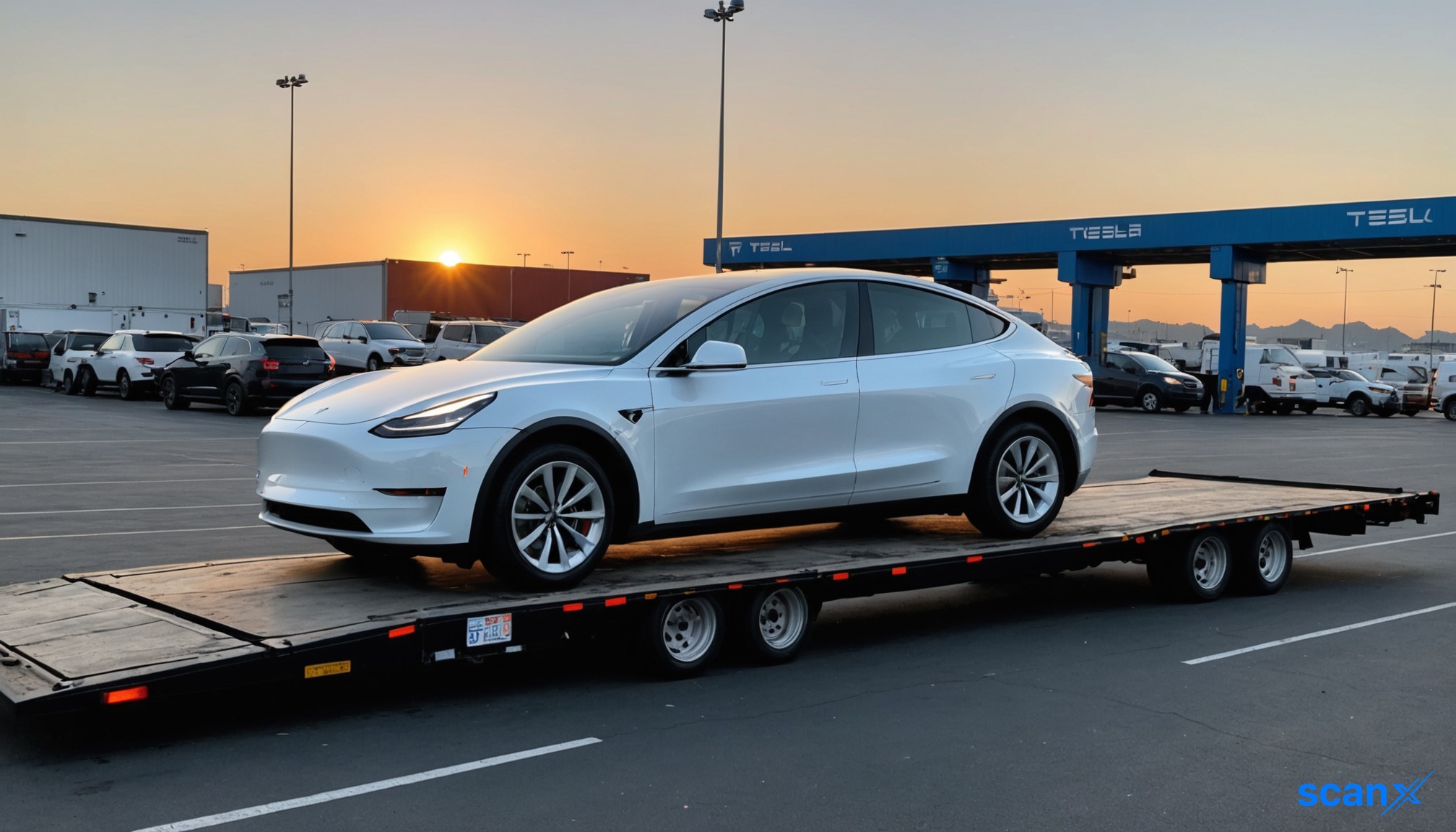

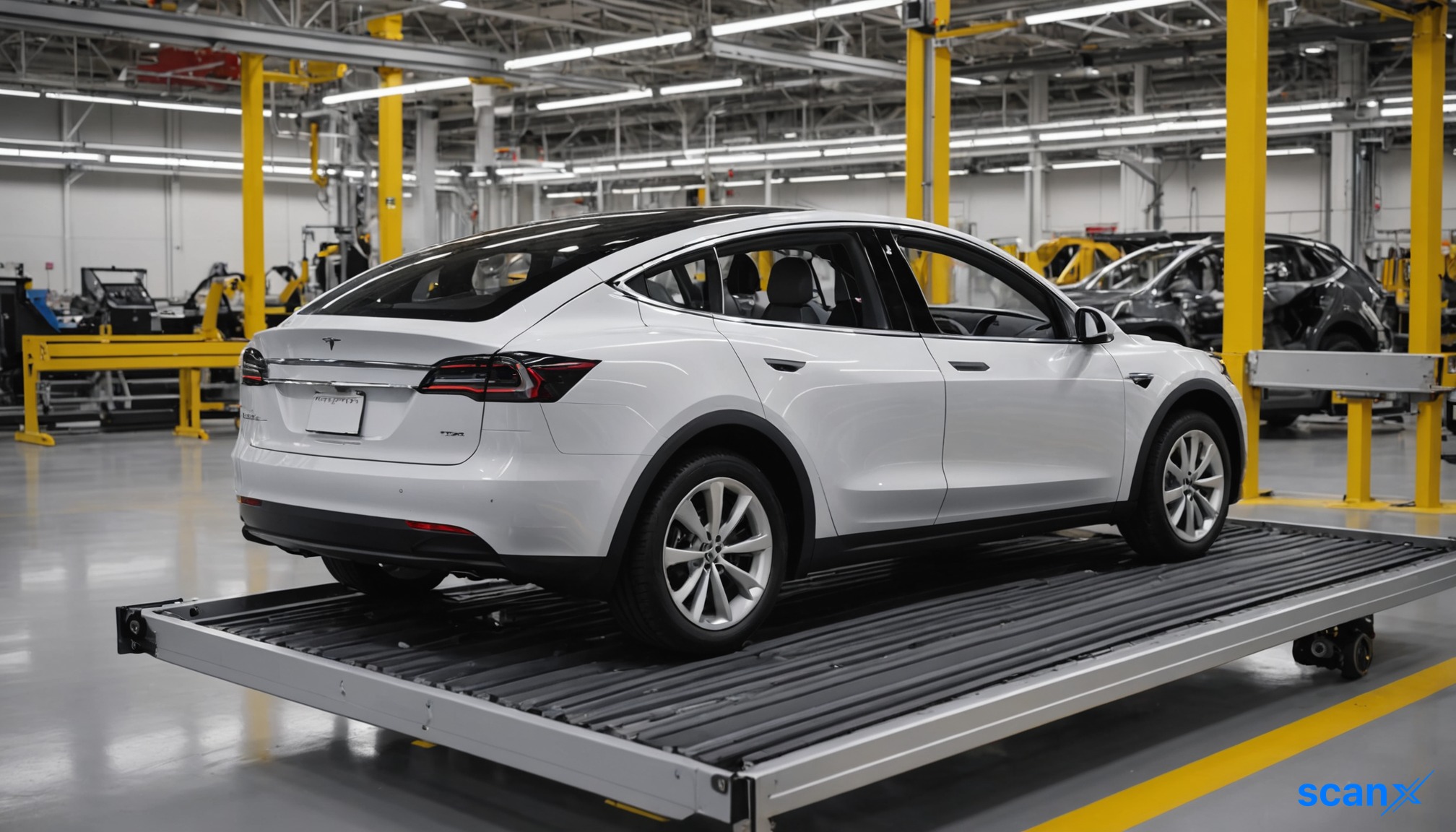
*this image is generated using AI for illustrative purposes only.
Tesla Inc (NASDAQ: TSLA) reported a decline in Chinese retail sales for August, marking a divergence between domestic demand and export activity from its Shanghai facility.
The electric vehicle maker sold 50,047 retail units in China during the month, representing a 12.4% year-over-year drop. This figure marks the weakest August performance for the company since 2022, according to data cited by Cnevpost and Electrek.
Market Position and Competition
Tesla ranked fifth in the Chinese market for August, significantly trailing industry leader BYD (OTC: BYDDY). BYD recorded 233,943 retail unit sales in the same period, highlighting the intense competition Tesla faces from local manufacturers offering lower-cost models.
| Metric | August 2026 | Year-Over-Year Change |
|---|---|---|
| Tesla Retail Sales | 50,047 units | -12.4% |
| BYD Retail Sales | 233,943 units | N/A |
| BEV Market Growth | N/A | +0.8% |
| NEV Market Growth | N/A | -10.1% |
Broader market data indicates that battery-powered electric vehicle sales in China rose just 0.8% year-over-year in August. Meanwhile, total new energy vehicle sales, which include plug-in hybrids, contracted by 10.1% over the same period.
What the Numbers Show
While domestic retail demand softened, Tesla’s export operations demonstrated resilience. Exports from the Tesla Shanghai factory increased by 38.7% year-over-year. However, this growth rate lagged behind the broader Chinese new energy vehicle export sector, which surged 154.7% year-over-year in August. This divergence suggests that while Tesla maintains strong international logistics capabilities, it is capturing a smaller share of the explosive growth in Chinese EV exports compared to competitors.
Strategic Outlook
Investor focus on Tesla has shifted away from monthly vehicle delivery figures toward future growth drivers such as robotaxis and the Optimus humanoid robot. CEO Elon Musk has previously stated these technologies could constitute the majority of the company’s multi-trillion-dollar valuation.
Tesla shares traded up 0.17% to $368.80 on Wednesday. Over the past month, the stock has risen 12%, though it remains down 15.4% year-to-date in 2026.

How might Tesla's widening sales gap with BYD influence its pricing strategy or product roadmap for the Chinese market in 2027?
What specific regulatory or logistical barriers could be preventing Tesla from capturing a larger share of the surging Chinese EV export market?
To what extent will investor confidence in Tesla's valuation remain tied to the commercialization timeline of Robotaxi and Optimus amidst slowing automotive growth?
 15
15







 Access 50+ Readymade Screeners
  Use 200+ Custom Filters
  Get Full Market Insights





