

Gary Black credits Tesla's US EV share gain to legacy retreat, Model Y redesign


- Gary Black attributes Tesla's US EV share gain to legacy automakers scaling back EV investments in 2025
- The early 2025 launch of the redesigned Model Y Juniper cited as a second key driver for sales resilience
- Tesla US sales fell only 2% YTD through August 2026, contrasting with a 30% drop in overall US EV sales
- Black dismisses Full Self-Driving as a market share driver due to limited public awareness outside investor circles

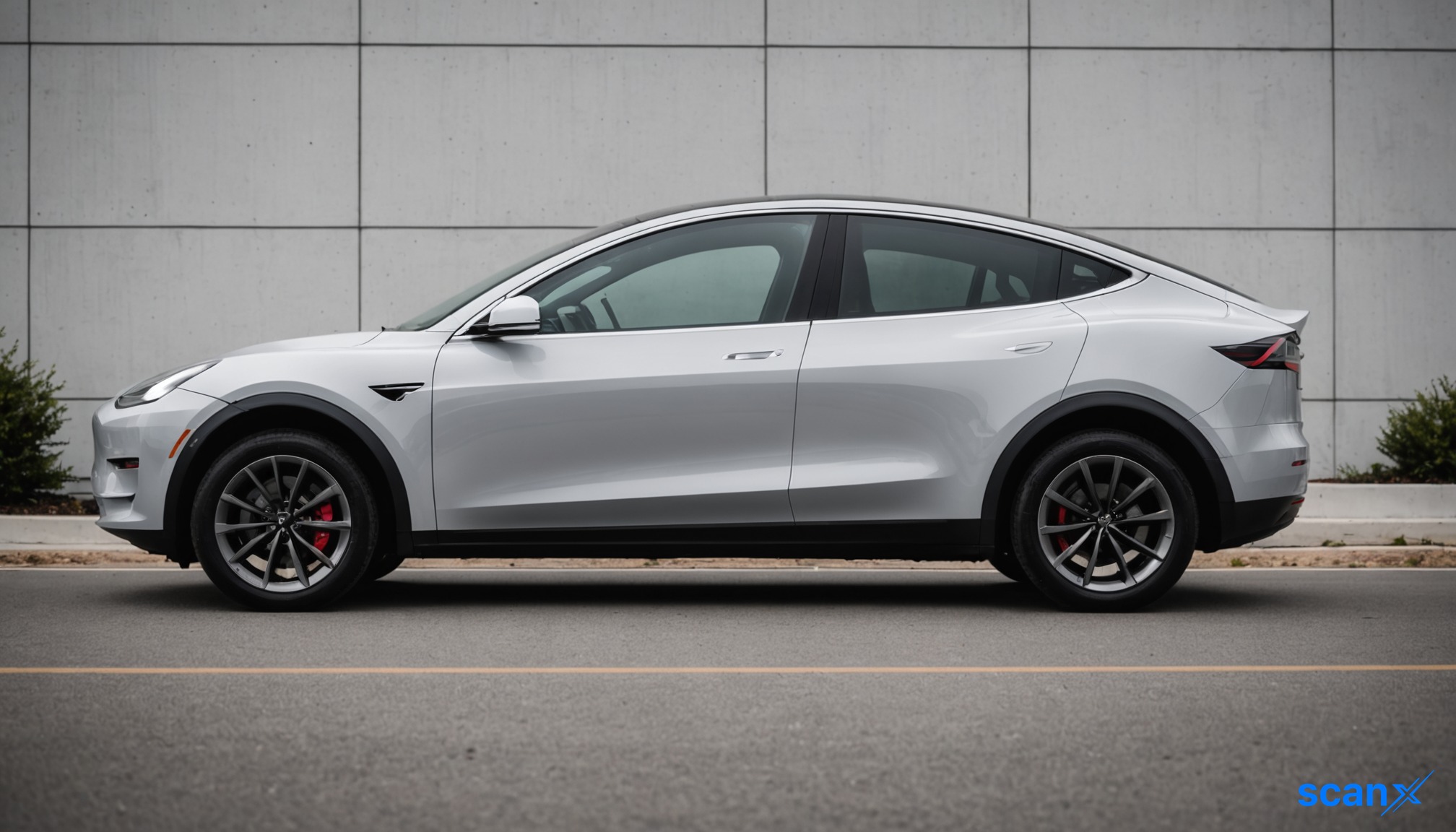

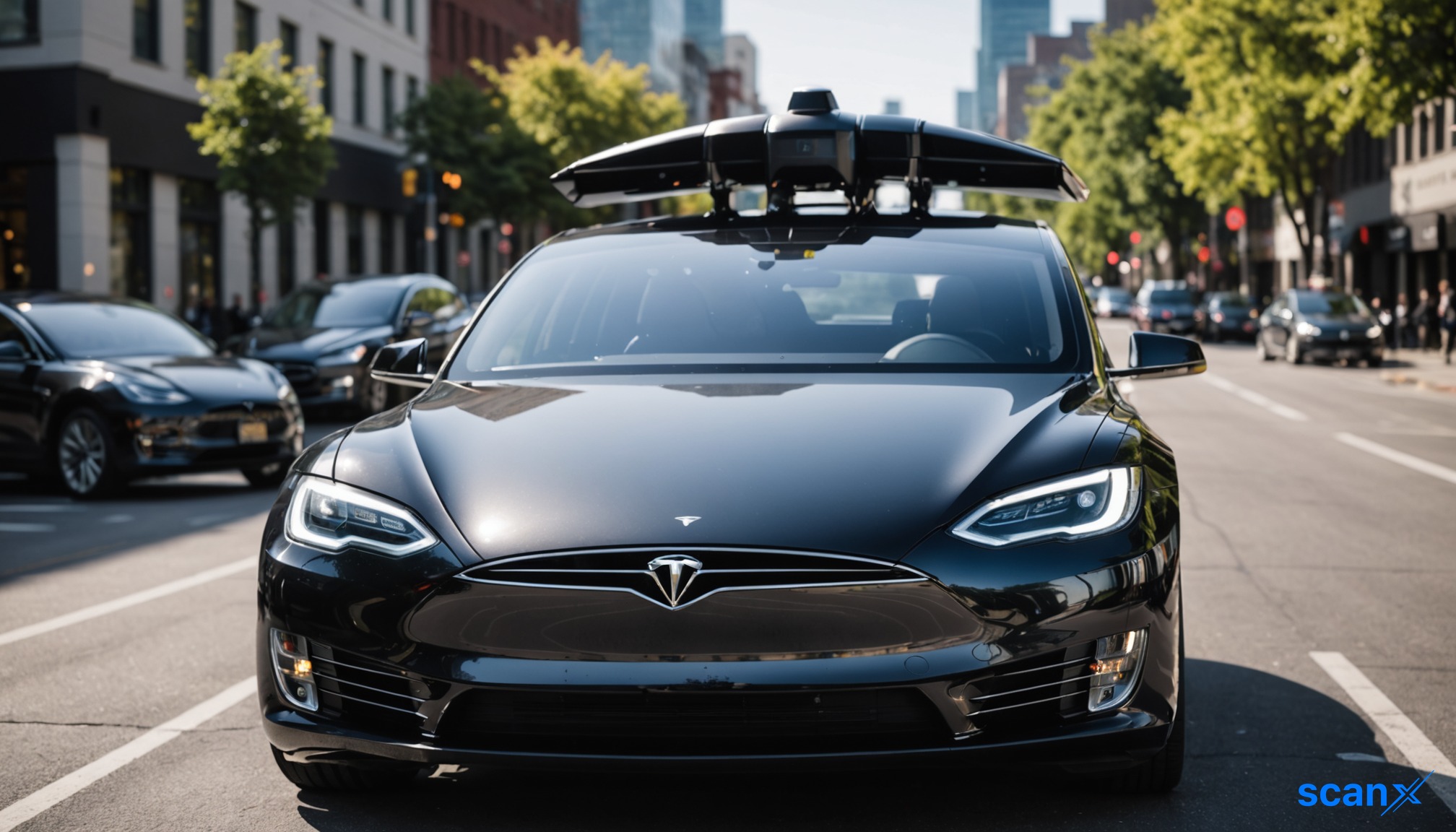
*this image is generated using AI for illustrative purposes only.
Investor Gary Black attributed Tesla Inc.'s (NASDAQ: TSLA) growing dominance in the U.S. electric vehicle market to a strategic retreat by legacy automakers and the recent redesign of the Model Y. Black argued that correlation does not equal causation regarding market share gains, pointing instead to specific competitive and product factors.
Legacy Automaker Retreat
Black, co-founder of Future Fund LLC, stated that internal combustion engine manufacturers significantly scaled back their EV investments in 2025 to reduce losses. He cited Ford Motor Co. (NYSE: F), General Motors Co. (NYSE: GM), and Honda Motor Co. Ltd. (NYSE: HMC) as examples of companies reducing efforts. This included Ford's decision to sunset the F-150 Lightning EV production.
Product Updates Drive Sales
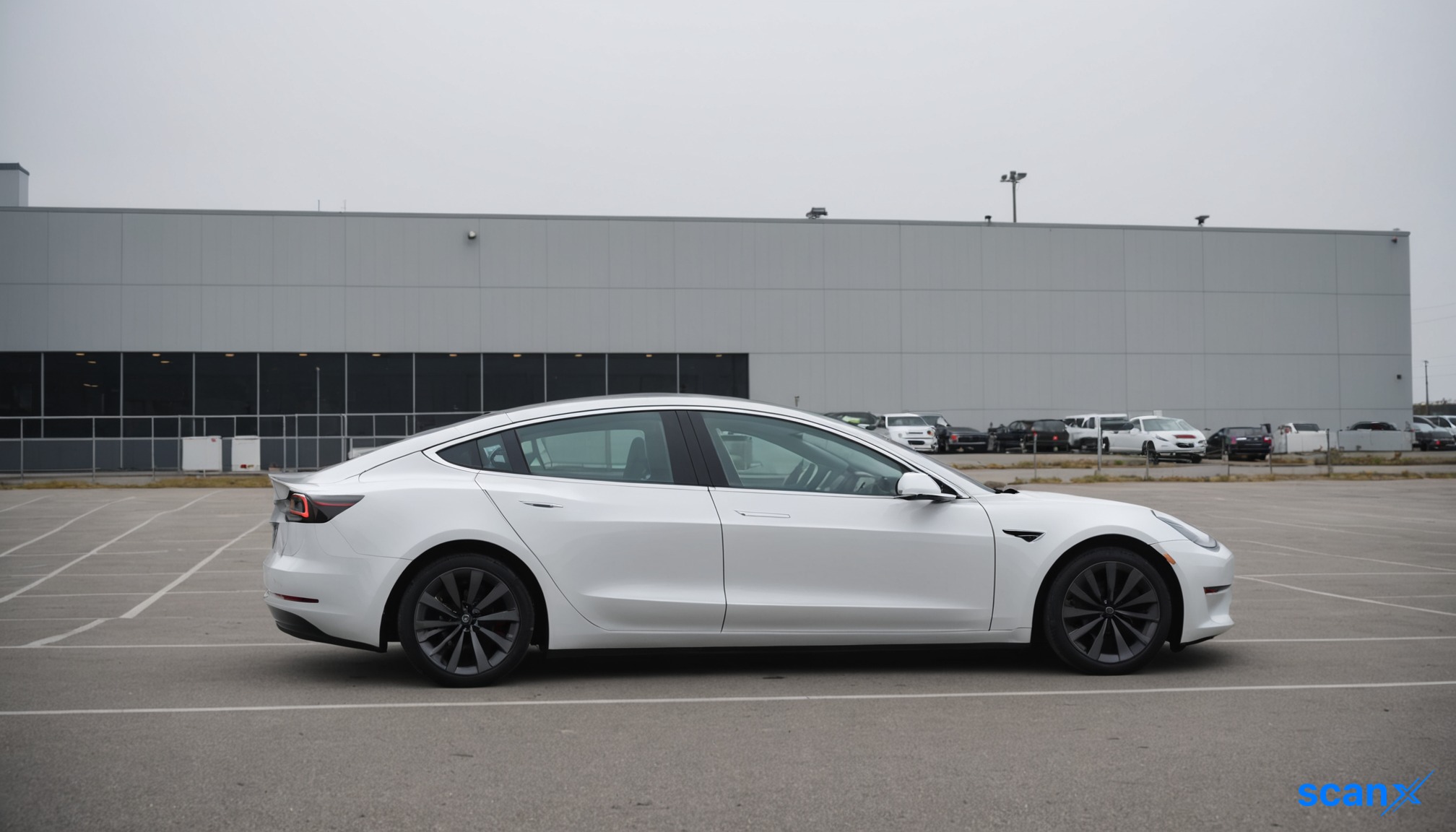
The second factor identified by Black was the complete redesign of the Model Y, launched in early 2025. Known as the Model Y Juniper, this was the first comprehensive update since the original model debuted in 2020. Black suggested this product refresh played a major role in sustaining sales momentum.
Sales Performance Context
Black provided year-to-date sales figures through August 2026 to contextualize the market position:
| Metric | Performance |
|---|---|
| TSLA U.S. sales | -2% YTD |
| Overall TSLA sales | -16% YTD |
| Overall U.S. EVs | -30% YTD |
These figures indicate that while overall U.S. EV sales declined sharply, Tesla's domestic performance remained relatively resilient compared to the broader market.
FSD Not a Driver
Black explicitly dismissed the role of Tesla's Full Self-Driving (FSD) system in driving market share gains. He described it as implausible that FSD is contributing to share increases when awareness remains limited primarily to bullish investors on social media platform X. He reiterated calls for Tesla to invest in a dedicated marketing strategy rather than relying on CEO Elon Musk's cultural relevance.
What the Numbers Show
The divergence between Tesla's U.S. sales decline of -2% YTD and the broader U.S. EV market decline of -30% YTD highlights a significant relative outperformance. This 28 percentage point gap suggests Tesla is capturing market share not through absolute volume growth, but by retaining customers in a contracting market where competitors are exiting or scaling back.
TSLA shares slipped 1.34% to $360.48 during overnight trading.

How might the permanent exit of legacy automakers like Ford from specific EV segments impact Tesla's pricing power and margin stability in the near term?
Could the success of the Model Y Juniper redesign trigger a wave of accelerated product refreshes from remaining competitors to recapture lost market share?
What are the long-term risks for Tesla if it continues to rely on organic product strength rather than investing in dedicated marketing campaigns as suggested by Gary Black?
 18
18







 Access Market Heat-map & Insights
  Create, Save & Share your Screener
  Use 200+ Screening Filters





