

Tesla Withholds Safety Data After Fatal Arizona Crash Involving Autopilot


- Tesla withheld crash narrative and software details from a fatal Oct. 31, 2025, Arizona crash involving its automated driving system.
- NHTSA opened a formal reporting audit in August 2025 to check for unreported incidents and incomplete submissions by Tesla.
- Safety attorney Amy Witherite criticized Tesla's use of perpetual confidentiality claims to block public access to critical safety data.

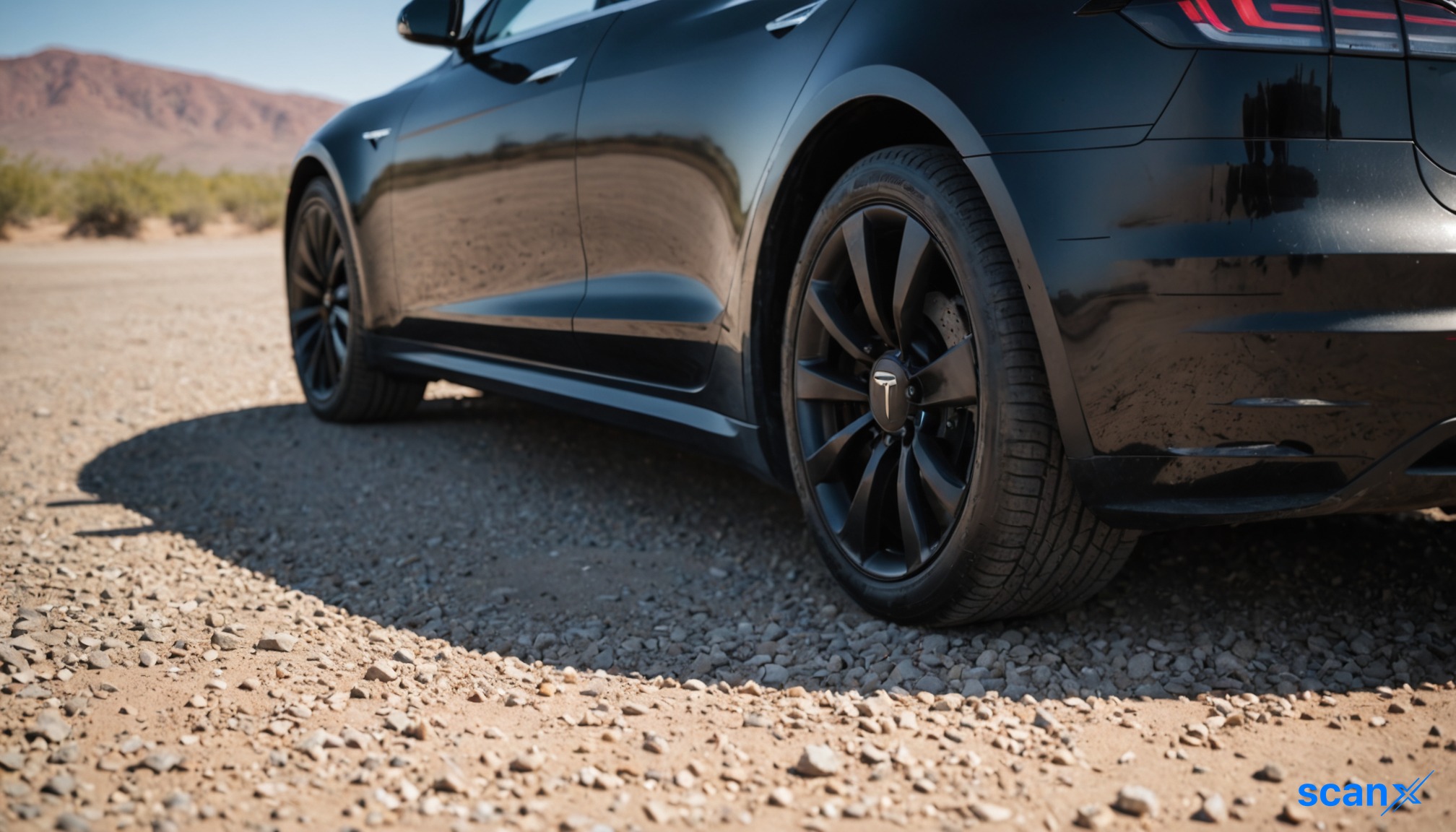

*this image is generated using AI for illustrative purposes only.
Tesla withheld key details about a fatal crash involving its automated driving technology, citing confidentiality claims that have drawn scrutiny from regulators and safety advocates.
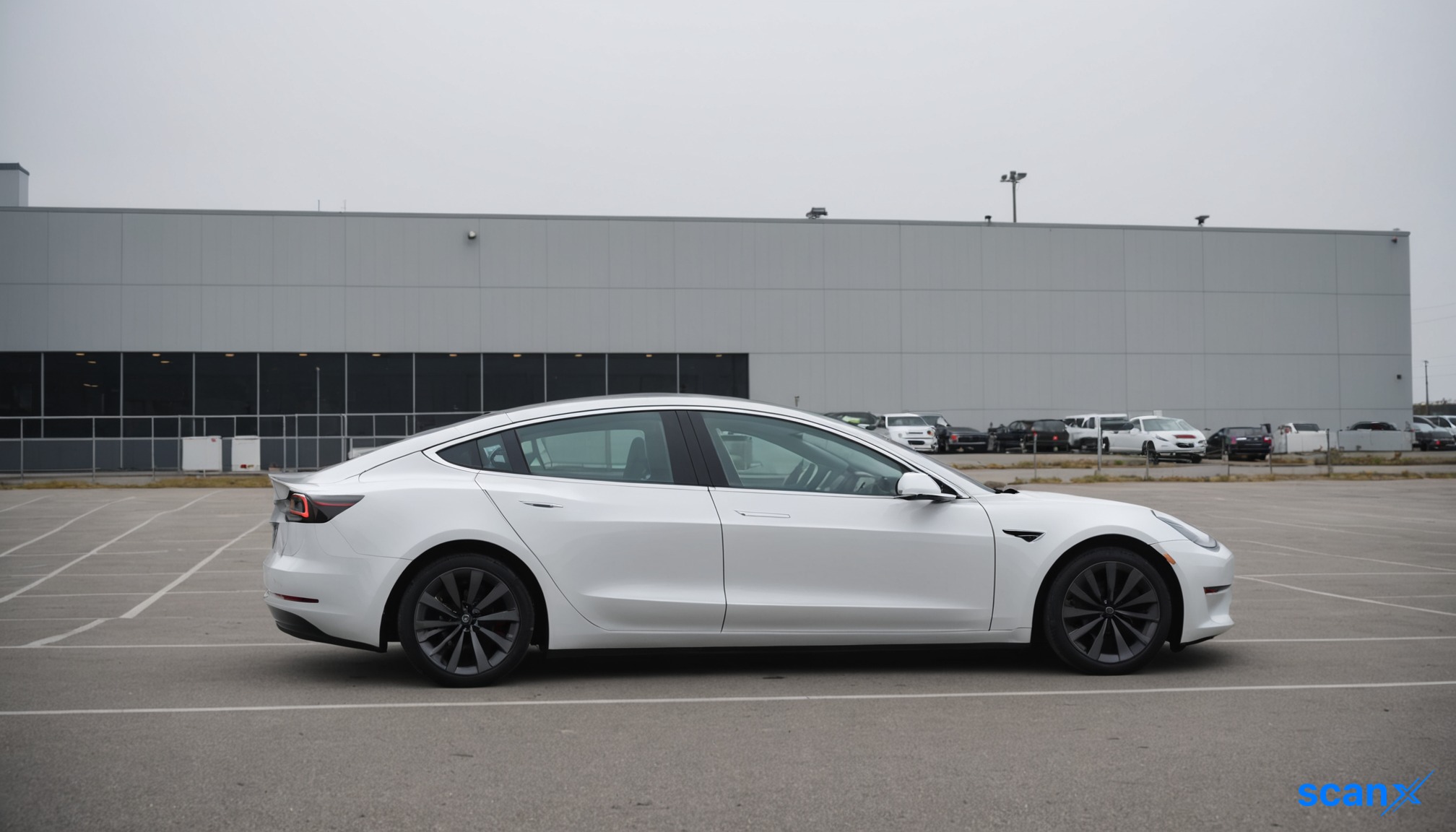
The incident occurred around 3 a.m. on Oct. 31, 2025, in Mesa, Arizona. A Tesla Model 3 traveling east on Loop 202 came to a sudden and unexplained stop in an active freeway travel lane while an automated driving system was verified as engaged. A Ford F-350 struck the Tesla from behind, killing the driver.
Regulatory Scrutiny And Confidentiality
According to news reports citing a filing with the National Highway Traffic Safety Administration (NHTSA), Tesla treated the crash narrative, software version, and information regarding whether the vehicle was within its approved operating area as confidential business information.
Federal regulators have questioned the timeliness and completeness of Tesla’s crash reporting. In August 2025, NHTSA opened a formal reporting audit to determine whether incidents remained unreported and whether Tesla’s submissions contained all required and available information.
In a March 2026 filing covering eight incidents, Tesla told NHTSA that it considers marked information “wholly confidential and proprietary” and requested that it remain confidential “in perpetuity.”
Advocacy For Transparency
Amy Witherite, founder of Witherite Law Group, argued that legitimate intellectual property should be protected but trade secret claims should not justify withholding information needed to understand serious injuries or deaths.
“The public deserves more than broad claims about miles driven or overall accident statistics,” Witherite said. “Those numbers do not tell us how these systems perform in specific, dangerous situations or why a vehicle made a decision that may have contributed to a crash.”
Witherite emphasized the need for meaningful disclosure of what the vehicle detected, what the software decided, whether warnings were issued, and what the human driver was expected to do.
Information Imbalance For Victims
People involved in crashes with automated or partially automated vehicles face an information imbalance because manufacturers possess video, telematics, software records, and event data not readily available to drivers and families.
“Anyone involved in one of these crashes should understand that obtaining the complete record may require prompt legal action to preserve and secure evidence,” Witherite said. “Families should not have to fight through layers of secrecy to learn why a vehicle behaved as it did.”
Witherite Law Group is a Dallas-based personal injury firm focused on traffic safety, trucking accidents, and emerging transportation technology.

How might NHTSA's formal reporting audit influence future regulatory frameworks for automated driving system transparency?
Will Tesla's 'perpetual confidentiality' stance face legal challenges that could set a precedent for data disclosure in autonomous vehicle accidents?
What impact could this incident have on consumer trust and adoption rates for Tesla's Full Self-Driving (FSD) technology?
 18
18




 Create Custom Screeners
  Access 200+ Pre-built Filters
  Use 50+ Readymade Screener





