

TANFAC FY26 revenue rises 27% to ₹711 crore


TANFAC Industries reported a 27% YoY increase in FY26 revenue to ₹711 crore, with Q4 revenue rising 11% QoQ to ₹193 crore. PAT declined to ₹70 crore from ₹88 crore in the previous year due to margin normalization and higher depreciation. The company announced a ₹495 crore capex plan for HFC-32 and other products, with 65% of the new capacity already secured by contracts.

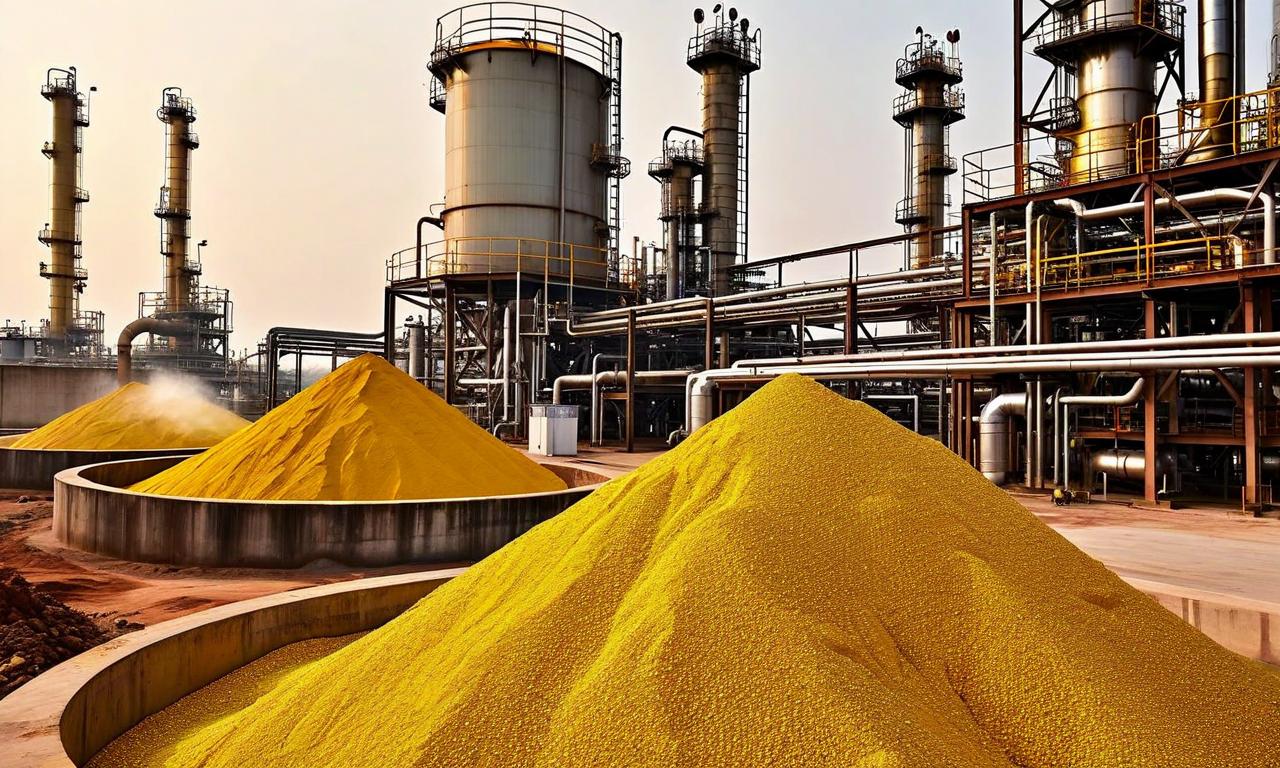

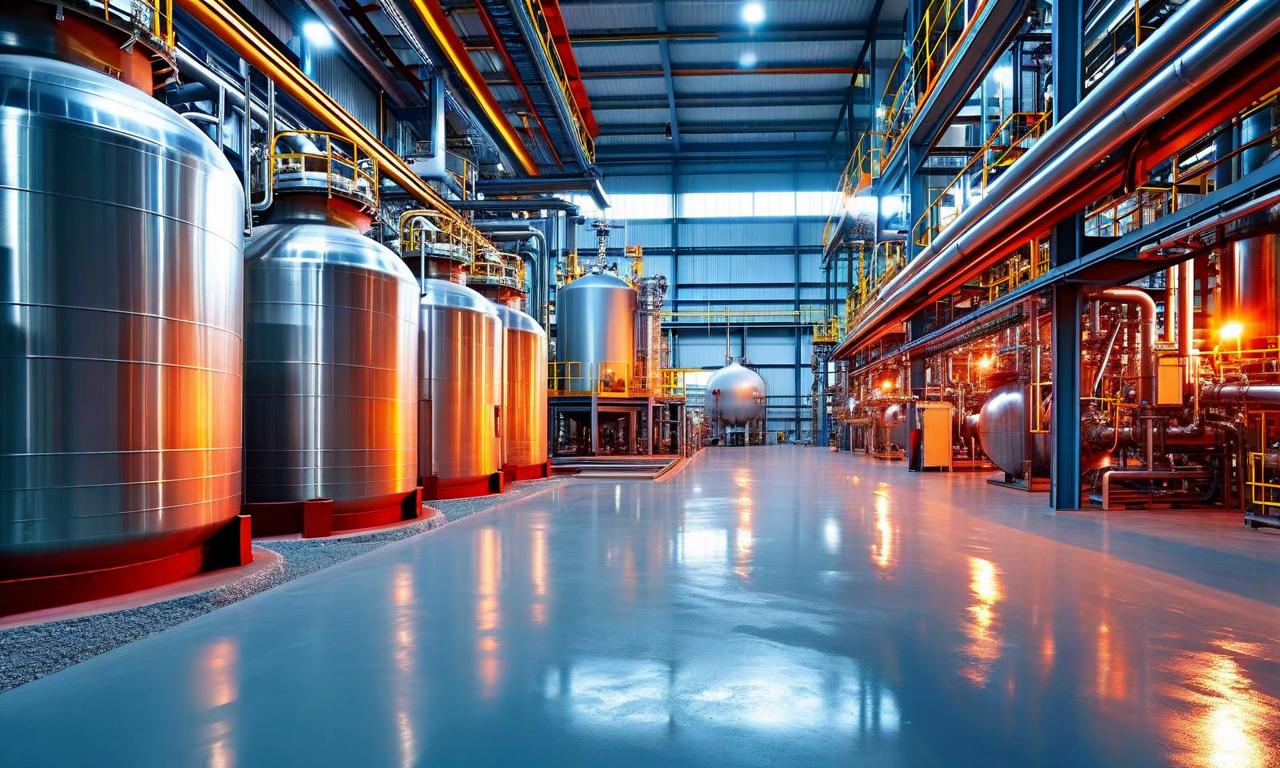
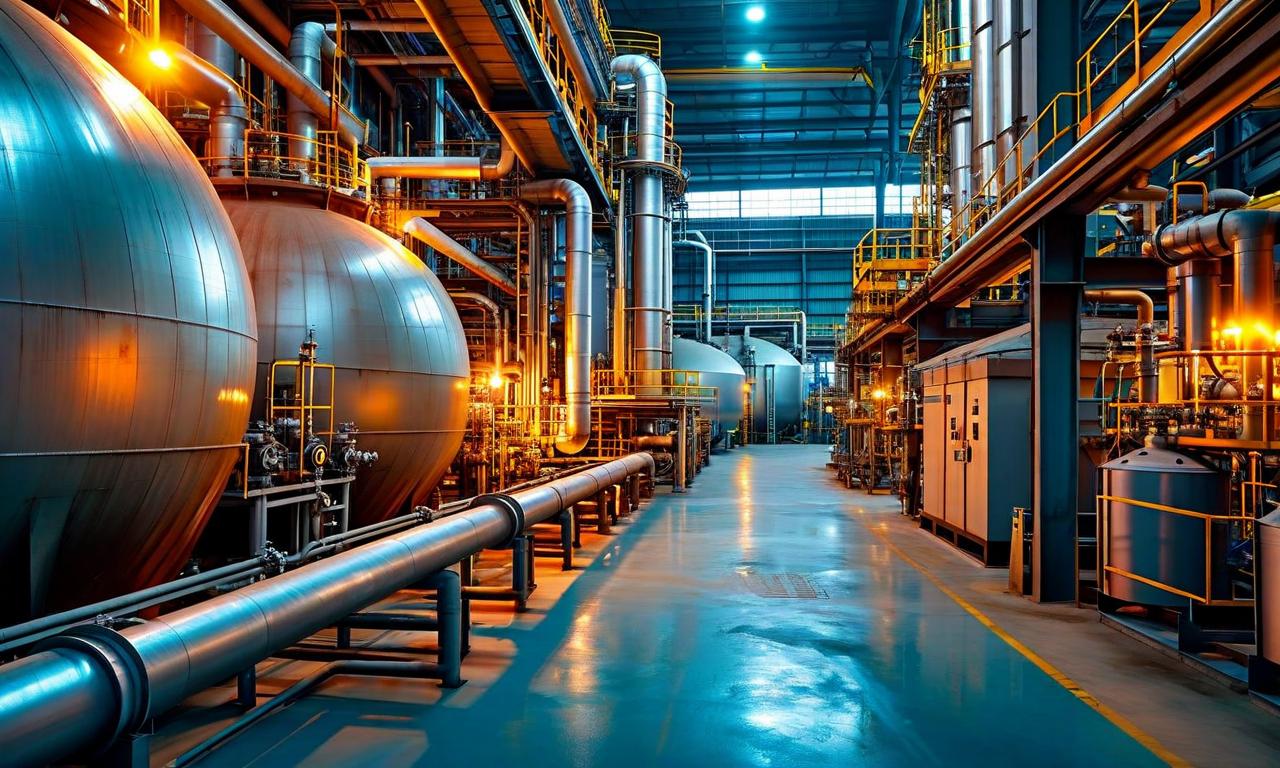
*this image is generated using AI for illustrative purposes only.
TANFAC Industries Limited has announced its financial results for the fourth quarter and fiscal year ended March 31, 2026. The company reported record revenue figures for both the quarter and the full year, supported by strong operational performance and strategic growth initiatives.
Financial Performance
For the full year FY26, tanfac industries achieved its highest ever revenue from operations of ₹711 crore, representing a 27% year-on-year increase from ₹557 crore in FY25. The company reported a Profit After Tax (PAT) of ₹70 crore for the year, compared to ₹88 crore in the previous year.
In the fourth quarter of FY26, revenue from operations stood at ₹193 crore, an 11% increase from ₹173 crore in the preceding quarter. Operating EBITDA for FY26 was ₹112 crore, a decrease from ₹129 crore in FY25, with margins normalizing to 16% compared to 23% in the previous year.
| Metric | FY26 | FY25 | Change |
|---|---|---|---|
| Revenue from Operations | ₹711 crore | ₹557 crore | 27% YoY Growth |
| Operating EBITDA | ₹112 crore | ₹129 crore | Decreased |
| EBITDA Margin | 16% | 23% | Normalized |
| Profit After Tax | ₹70 crore | ₹88 crore | Decreased |
Operational Highlights
The company maintained high capacity utilization levels across its plants during the year. The Sulphuric acid plant operated at 101% capacity utilization, while the hydrofluoric acid plant operated at approximately 95%. The specialty fluoride segment recorded a utilization level of around 41%, which is expected to improve as demand for value-added products scales up.
Management noted that working capital efficiency improved, with the cycle reducing by 8 days to 91 days in FY26. Return on equity was reported at 19%, while return on capital employed stood at 20%.
Strategic Developments and Expansion
TANFAC Industries continues to execute its expansion strategy within the fluorine value chain. The company has announced a capital expenditure plan of approximately ₹495 crore. This includes an investment of ₹405 crore towards setting up a 20,000 metric tons per annum HFC-32 manufacturing facility and ₹90 crore for other value-added fluorinated products.
The HFC-32 project is scheduled for commissioning by Q3 FY27. Management indicated that approximately 65% of the proposed capacity for this project is already supported by long-term customer contracts. Additionally, the company is planning to further strengthen its position in solar grade DHF through an additional plant capacity of 20,000 metric tons per annum.
Future Outlook
Looking ahead, the company expects operating EBITDA margins to remain in the range of 15% to 18% from its existing business. With long-term customer contracts in place, the ramp-up of solar grade DHF revenues, and the commissioning of new downstream capacities, management expressed confidence in the medium to long-term growth outlook.
Historical Stock Returns for TANFAC Industries
| 1 Day | 5 Days | 1 Month | 6 Months | 1 Year | 5 Years |
|---|---|---|---|---|---|
| -5.68% | +3.20% | -6.41% | +37.73% | +71.58% | +860.61% |

How might TANFAC's HFC-32 business be impacted if global HFC phase-down timelines under the Montreal Protocol accelerate faster than anticipated, potentially shortening the product's commercial lifecycle?
Given that 75-80% of HFC-32 contracts are export-oriented, how vulnerable is TANFAC's revenue outlook to geopolitical trade disruptions or competing capacity additions from Chinese refrigerant manufacturers?
With sulphur prices already elevated and the company planning a massive ₹495 crore capex, what is TANFAC's strategy to manage raw material cost volatility and protect margins during the HFC-32 plant's ramp-up phase?
 17
17





 Access Market Heat-map & Insights
  Create, Save & Share your Screener
  Use 200+ Screening Filters





