SpaceX seeks approval for 32-mile gas pipeline in Florida

scanx
Reviewed by
Anirudha BScanX News Team
Key Highlights
  • SpaceX subsidiary Coastal Connect Services filed for a 32.4-mile natural gas pipeline in Brevard County, Florida
  • The 16-inch transmission line aims to replace truck deliveries for Starship methane fuel needs
  • Similar eight-mile pipeline plans exist near Starbase in Texas to support high-frequency launch goals
  • Boom Supersonic CEO Blake Scholl criticized the regulatory approval process as bureaucratic
powered bylight_fuzz_icon
52822564

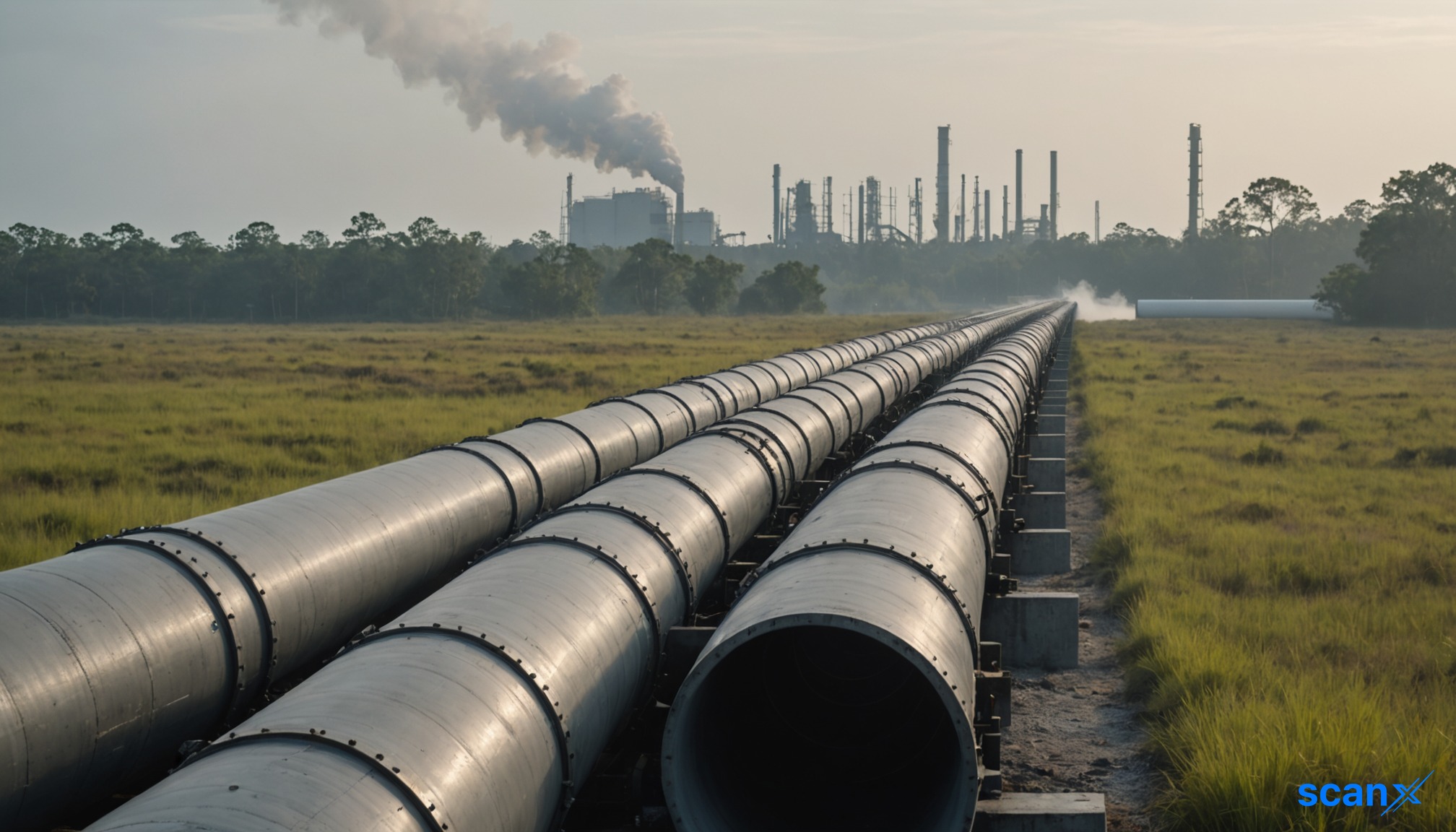
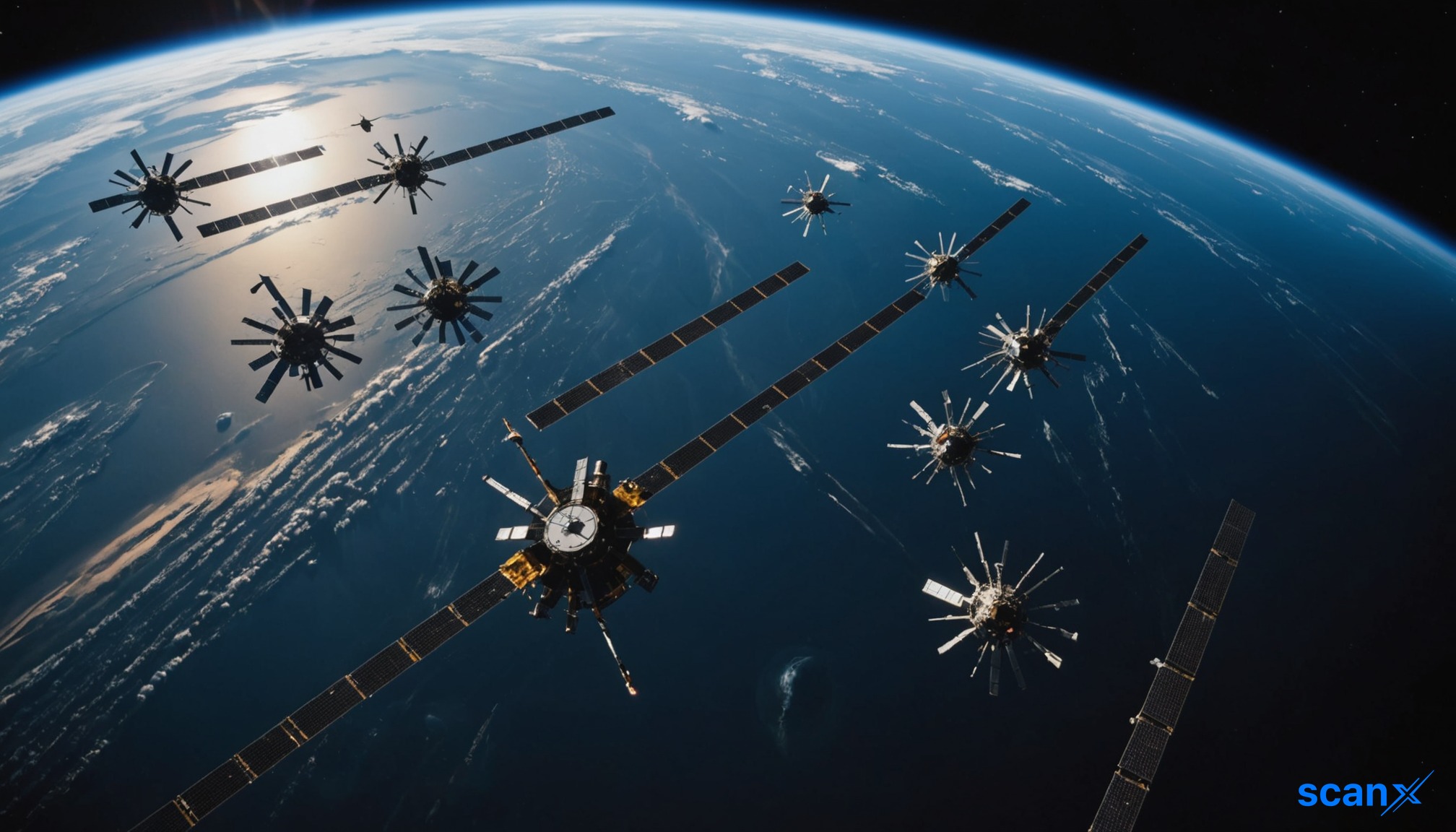
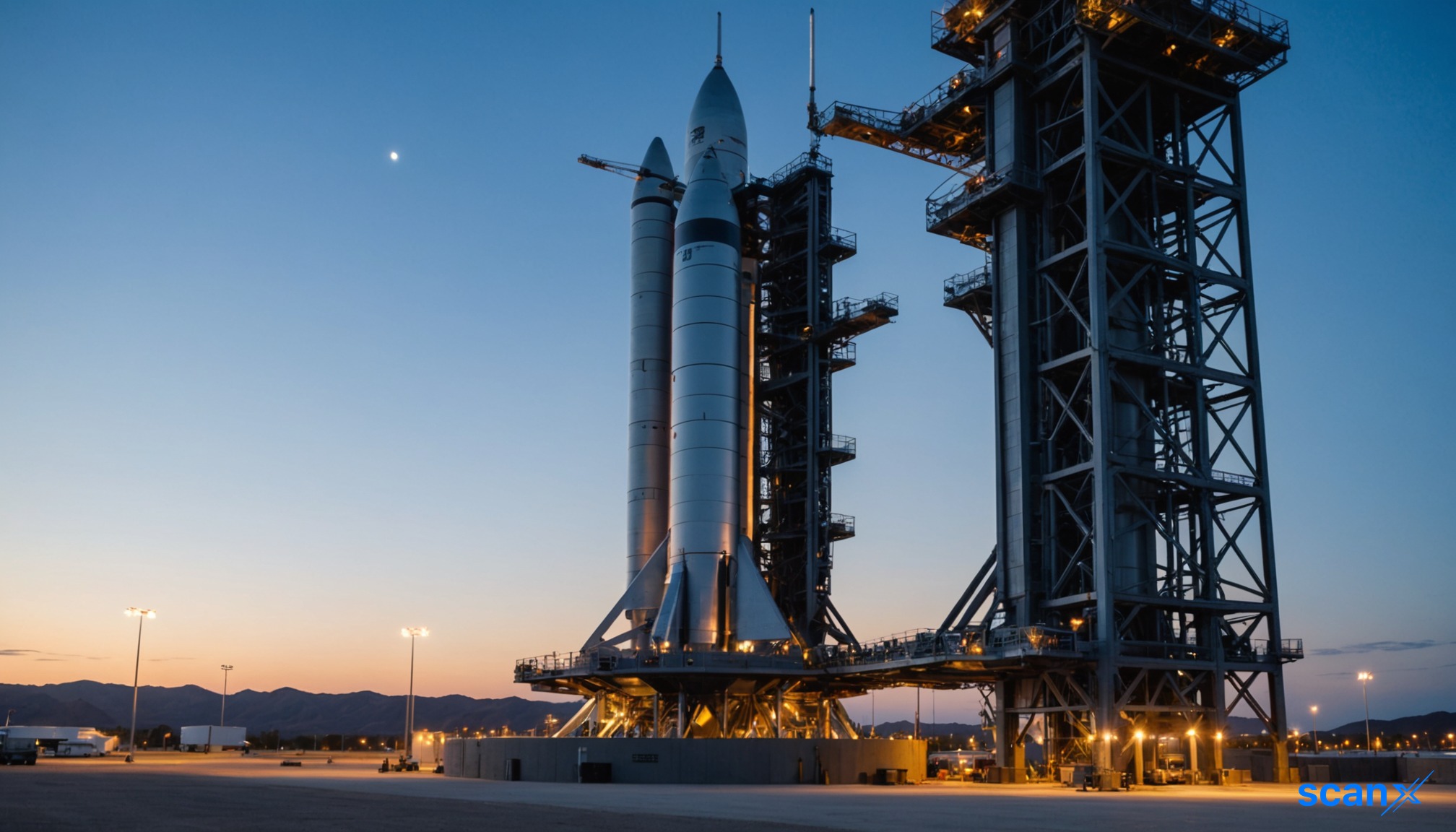
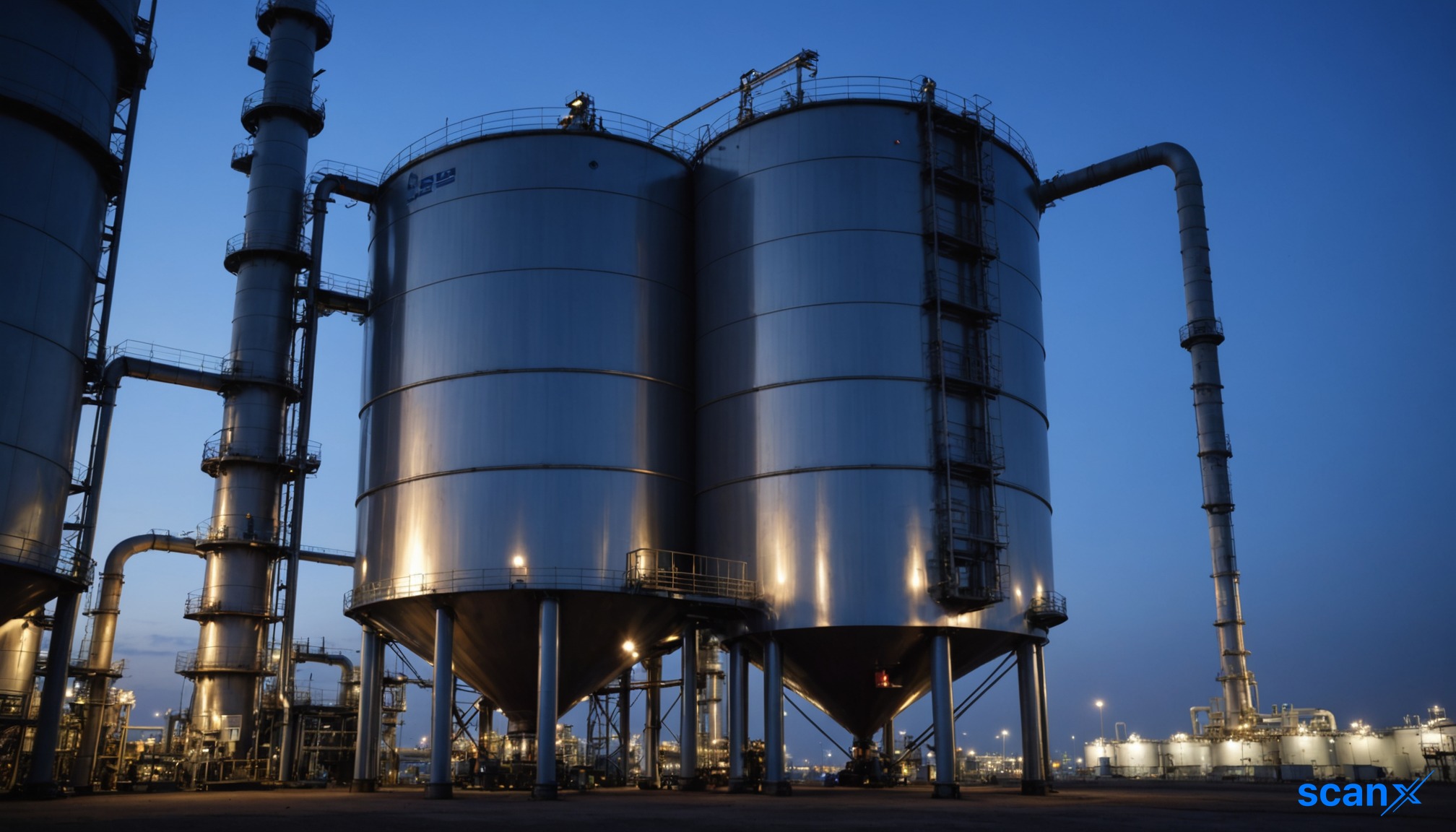
*this image is generated using AI for illustrative purposes only.

Space Exploration Technologies Corp. (NASDAQ: SPCX) is seeking regulatory approval in Florida to construct a 32.4-mile natural gas pipeline. The project aims to secure reliable methane supplies for its Starship rocket operations at Cape Canaveral.

Coastal Connect Services, a SpaceX subsidiary, filed a request with the Florida Public Service Commission to approve a tariff for the new 16-inch transmission pipeline. The infrastructure would connect customers with the existing Florida Gas Transmission interstate network. SpaceX stated that current truck deliveries and local pipelines are insufficient for its expanding fuel requirements.

Infrastructure supports Starship expansion

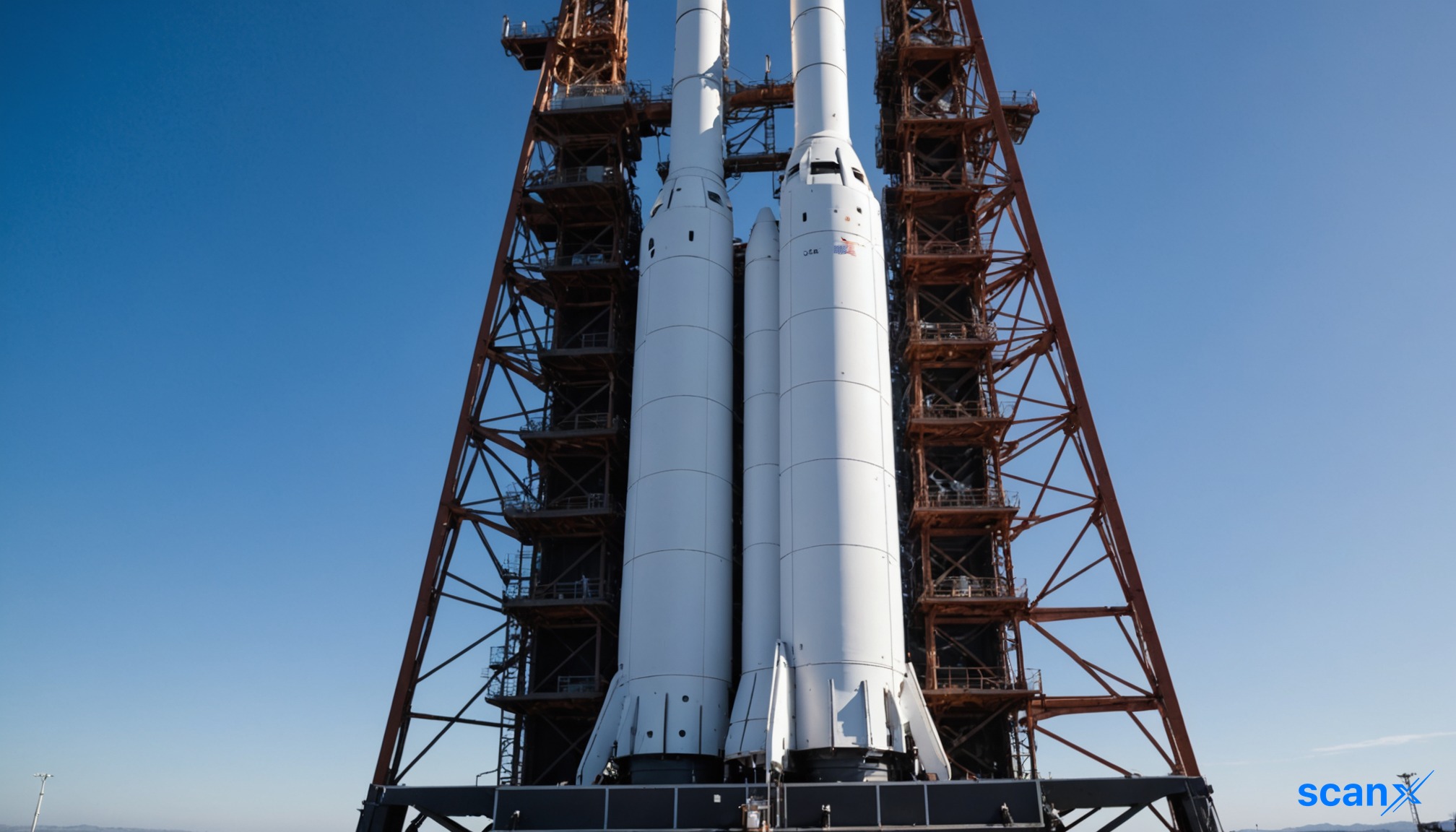
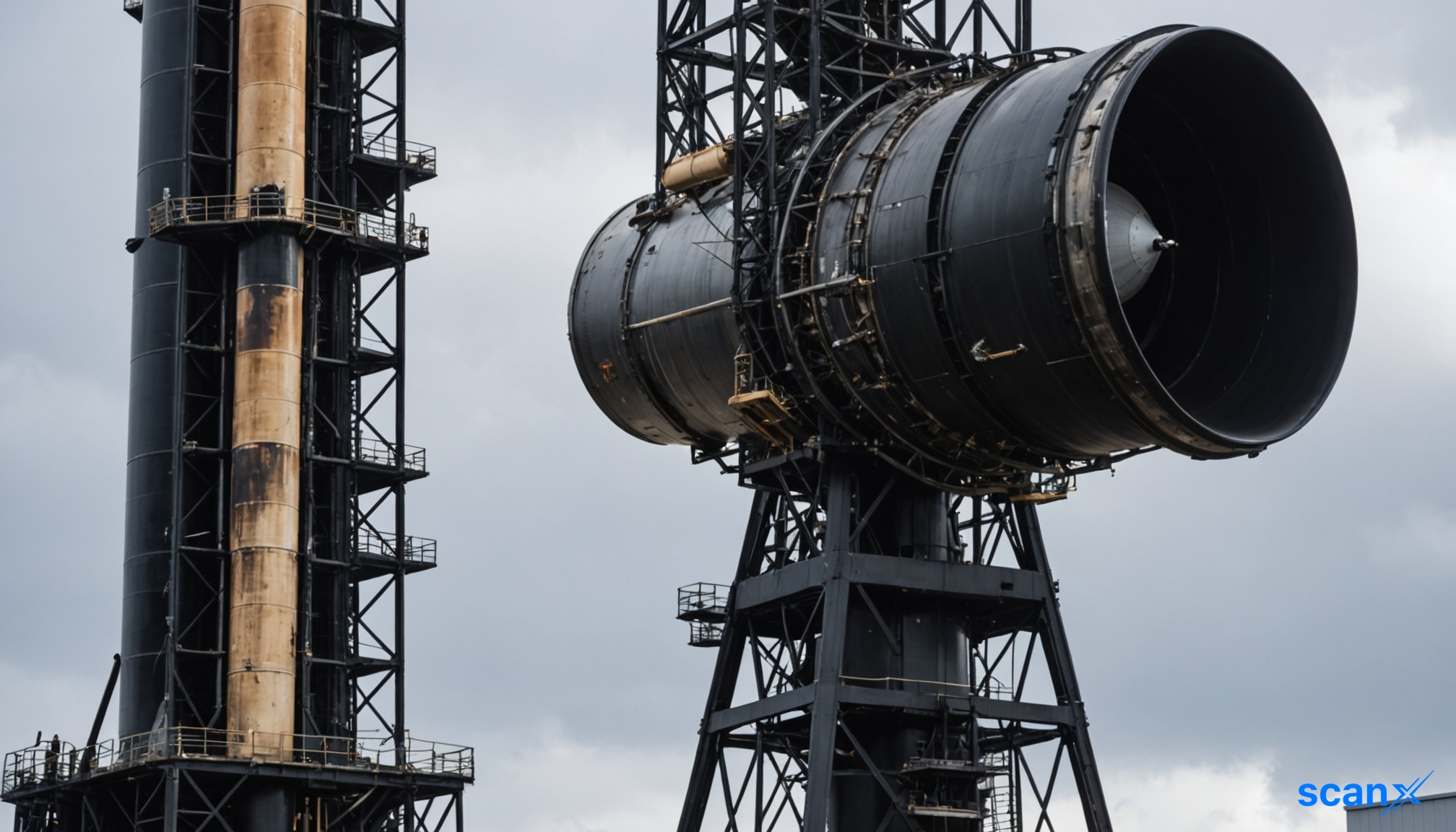
The pipeline is critical for supplying sub-cooled liquid methane, the primary fuel for SpaceX’s Raptor engines. The company’s Starship and Super Heavy booster systems are designed around this methane-oxygen propulsion configuration. This infrastructure push aligns with SpaceX’s plan to shift future Starlink launches from Falcon 9 to Starship at the Florida site.

Construction is already underway on a new Starship launch complex at Cape Canaveral. The move reflects a broader strategy to increase launch frequency and operational efficiency.

Parallel efforts in Texas

SpaceX is pursuing similar supply chain control measures in Texas. An affiliate recently planned an eight-mile "Starpipe" pipeline near Starbase to replace tanker-truck deliveries. This initiative supports the large methane volumes required for Starship tests and launches.

Elon Musk has indicated that Starship could eventually deliver between 1 million and 10 million tons to orbit annually. The company is also discussing additional spaceports to support thousands of flights each year.

Regulatory criticism emerges

Blake Scholl, CEO of Boom Supersonic, criticized the regulatory process on social media platform X. He described the requirement for bureaucratic permission as "ridiculous" and "un-American," arguing that government should publish clear rules rather than pre-clearing projects.

Project Detail Specification
Location Brevard County, Florida
Pipeline Length 32.4 miles
Diameter 16 inches
Purpose Methane supply for Starship
Regulatory Body Florida Public Service Commission

SPCX shares traded 0.92% higher at $172.66 in pre-market trading on Tuesday.

Disclaimer: This article is AI-generated using data from ViewTrade. ScanX is not liable for any inaccuracies.

How might the Florida Public Service Commission's decision on the tariff approval impact SpaceX's projected Starship launch cadence at Cape Canaveral?

What are the potential environmental and regulatory hurdles for constructing a 32.4-mile natural gas pipeline in Brevard County's sensitive coastal ecosystem?

Could Boom Supersonic's criticism of the permitting process signal a broader industry push for streamlined infrastructure approvals for space and aerospace projects?

like20
dislike

Trump orders federal shift to 'Super Intelligence'; Musk renames SpaceXAI

scanx
Reviewed by
Ritika DScanX News Team
Key Highlights
  • Trump executive order replaces 'Artificial Intelligence' with 'Super Intelligence' in federal documents
  • Elon Musk confirms SpaceXAI will be renamed SpaceXSI following the directive
  • White House allocates over $5 billion to Genesis Mission for AI in science and energy
  • New 'Super Intelligence Force' created under Director of National Intelligence Jay Clayton
powered bylight_fuzz_icon
52765647

*this image is generated using AI for illustrative purposes only.

President Donald Trump has directed the federal government to replace "Artificial Intelligence" with "Super Intelligence" in official communications. The move, formalized in a Sept. 29 executive order, signals a strategic reframing of advanced technology as a national priority rather than a mere software category.

Elon Musk quickly aligned with the new terminology. He confirmed that SpaceXAI, the artificial intelligence subsidiary of Space Exploration Technologies Corp. (NASDAQ: SPCX), would be renamed SpaceXSI. In a post on X, Musk stated, "No more AI. SI. It’s better." This voluntary adoption by a key industry figure underscores the close alignment between Silicon Valley and Washington’s emerging technology agenda.

Executive order defines new era

The executive order, titled "Inaugurating the Era of Super Intelligence," instructs federal agencies to use "Super Intelligence" and "SI" instead of "Artificial Intelligence" and "AI" in websites, reports, and non-statutory documents. The administration asserts that current frontier systems have exceeded the capabilities implied by the term "artificial intelligence."

Key directives include:

  • Developing a federal definition of "Super Intelligence" within 60 days via the White House science and technology office.
  • Establishing a Super Intelligence Force led by Director of National Intelligence Jay Clayton to coordinate efforts to maintain U.S. leadership.

This policy dimension transforms the terminology shift into a framework for a strategic national technology race.

Corporate response and market context

Musk’s decision to rename SpaceXAI follows the recent consolidation of his space and AI businesses. The unit operates Grok and represents a broader integration of AI across his technology empire. However, investors should note that this is a branding change; Musk has not announced new products, investment programs, or technical architectures resulting from the rebrand.

The broader economic implication lies in government spending and infrastructure development. The White House has announced more than $5 billion for the Genesis Mission, which aims to apply advanced AI capabilities across science, medicine, energy, and manufacturing. For major tech firms such as Nvidia Corp (NASDAQ: NVDA), Microsoft Corp (NASDAQ: MSFT), Alphabet Inc (NASDAQ: GOOGL), and Meta Platforms Inc (NASDAQ: META), the critical metric remains the conversion of expensive computing infrastructure into revenue and profits.

What the numbers show

The source data reveals a divergence between political labeling and operational reality. While the administration mandates a semantic shift to "Super Intelligence," the disclosed financial commitment for the Genesis Mission is capped at $5 billion. This figure represents a specific allocation for cross-sector application but does not inherently alter the capital expenditure requirements or revenue models of private sector providers like Nvidia or Microsoft. The rebranding by SpaceXAI is a linguistic alignment with federal policy, not an indication of immediate changes in technical capability or financial performance for the entity.

Disclaimer: This article is AI-generated using data from ViewTrade. ScanX is not liable for any inaccuracies.

How will the 60-day federal definition of 'Super Intelligence' impact existing AI regulatory frameworks and compliance standards for tech companies?

What specific procurement opportunities might arise for Nvidia, Microsoft, and other infrastructure providers from the $5 billion Genesis Mission allocation?

Could the mandatory terminology shift create legal or contractual ambiguities in existing government-AI vendor agreements that currently reference 'Artificial Intelligence'?

like16
dislike

More News on SpaceX