

RateGain FY26 Results: Revenue up 69% to ₹1,823 crore on Sojern deal


- Operating revenue surged 69.4% to ₹1,823.6 crore in FY26, driven by the Sojern acquisition
- Adjusted EBITDA grew 54.4% to ₹358.3 crore, achieving a margin of 19.6%
- Reported PAT declined 7% to ₹194.4 crore due to amortization and interest costs, while adjusted PAT rose 19.6%
- Net debt reduced to ₹615.4 crore by June 30, 2026, with 38% of the acquisition facility repaid
- MarTech segment now accounts for 69.1% of FY26 revenue, with North America contributing 58.8%


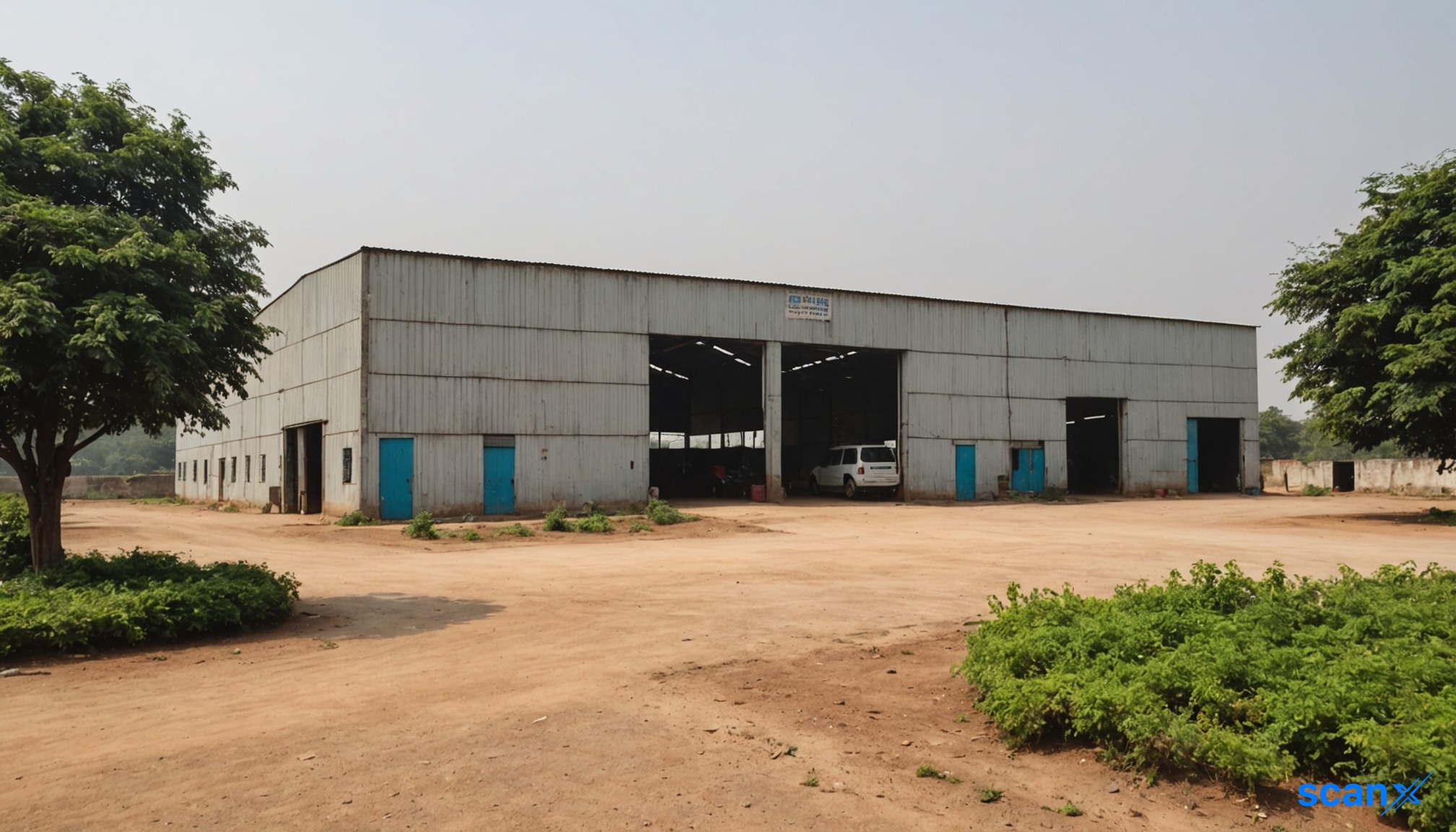
*this image is generated using AI for illustrative purposes only.
RateGain Travel Technologies Limited reported operating revenue of ₹1,823.6 crore for FY26, marking a 69.4% increase over the ₹1,076.7 crore recorded in FY25. The significant growth was primarily driven by the consolidation of the Sojern business from November 2025, which expanded the company's global footprint and data capabilities.
Adjusted EBITDA rose 54.4% to ₹358.3 crore, reflecting a margin of 19.6%. While reported profit after tax declined 7% to ₹194.4 crore due to acquisition-related amortization and interest costs, adjusted profit after tax grew 19.6% to ₹249.9 crore. Management emphasized that the underlying business generated strong free cash flow of ₹230 crore during the year.
Segment Performance and Geographic Mix
The financial year saw a structural shift in revenue composition following the integration of Sojern with Adara. MarTech emerged as the dominant segment, accounting for 69.1% of FY26 revenue, followed by Data-as-a-Service (DaaS) at 20.2% and Distribution at 10.7%. Geographically, North America contributed 58.8% of total revenue, while APAC accounted for 24.9%.
| Metric | FY26 | FY25 | Change |
|---|---|---|---|
| Operating Revenue | ₹1,823.6 crore | ₹1,076.7 crore | +69.4% |
| Adjusted EBITDA | ₹358.3 crore | ₹232.1 crore* | +54.4% |
| Adjusted PAT | ₹249.9 crore | ₹208.9 crore* | +19.6% |
| Reported PAT | ₹194.4 crore | ₹208.9 crore | -7.0% |
Note: FY25 Adjusted figures derived from YoY growth rates provided in source.
Integration and Deleveraging Progress
Management confirmed that the integration of Sojern was completed ahead of schedule, delivering $15 million in annualized cost synergies within the first 100 days. The company moved from a net cash position to a net debt position of ₹722.3 crore as of March 31, 2026, following the $280 million acquisition funded through internal accruals and external borrowings.
Deleveraging efforts have accelerated in the current fiscal year. By June 30, 2026, net debt reduced to ₹615.4 crore, with an additional $16 million repaid in July and early August. This brings the total repayment to 38% of the original facility. Free cash flow conversion in Q1FY27 stood at 78.8%, supporting the company's target to return to a net cash position within 30 months of the acquisition closing.
What the Numbers Show
A divergence exists between reported profitability and operational health. Reported PAT fell 7% despite a 69.4% revenue jump, driven entirely by non-cash amortization of intangible assets (goodwill of ₹1,581 crore) and interest expenses on acquisition debt. Conversely, free cash flow generation remained robust at ₹230 crore, indicating that the decline in bottom-line earnings is an accounting artifact of the acquisition structure rather than a deterioration in core business performance.
Strategic Outlook
RateGain aims to leverage its combined platform to cross-sell products across its 14,000+ customer base. Q1FY27 results indicated early traction, with operating revenue reaching ₹785 crore and adjusted EBITDA margin hitting a record 24.6%. The company continues to prioritize AI-driven product development, including Agentic ARI and RateIQ, while maintaining strict financial discipline to reduce leverage from operating cash flows.
Historical Stock Returns for RateGain Travel
| 1 Day | 5 Days | 1 Month | 6 Months | 1 Year | 5 Years |
|---|---|---|---|---|---|
| +0.64% | +2.67% | -7.16% | +76.38% | +22.12% | +148.79% |

How will the shift to a net debt position impact RateGain's future capital allocation strategy and dividend policy?
What specific competitive threats does the dominance of the MarTech segment (69.1% of revenue) face from larger global ad-tech players?
Can the company sustain the record 24.6% adjusted EBITDA margin seen in Q1FY27 as integration costs fully roll off?
 16
16











 Access Market Heat-map & Insights
  Create, Save & Share your Screener
  Use 200+ Screening Filters





