

Popular Vehicles Q2FY27 Results: New vehicle volumes up 51% YoY


- New vehicle volume sales grew 51% YoY in Q2FY27, with organic growth at 28%
- Total revenue from operations rose 40% YoY to reflect price rationalisation effects
- Inventory days decreased to 41 days from 44 days a year ago
- Debt levels increased sequentially due to pre-price hike inventory accumulation



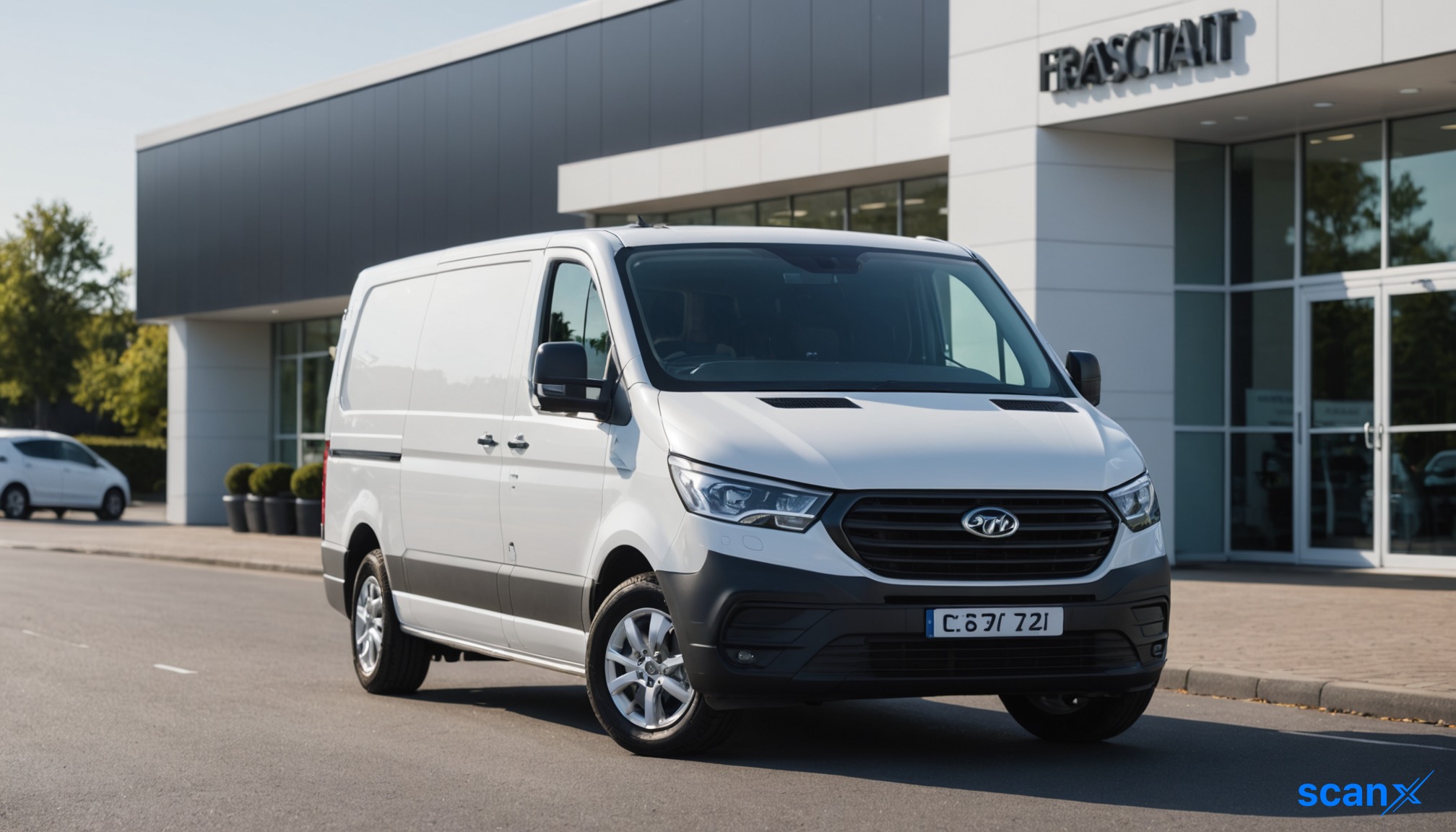
*this image is generated using AI for illustrative purposes only.
Popular Vehicles & Services reported a 51% year-on-year increase in new vehicle volume sales for the quarter ended September 30, 2026. Total revenue from operations grew 40% YoY, reflecting strong demand across passenger vehicles and commercial segments.
The company disclosed these figures in a business update filed with stock exchanges under Regulation 30 of SEBI (LODR) Regulations, 2015. The update covers the second quarter and first half of fiscal year 2027 (Q2FY27 and H1FY27). It is important to note that volumes and revenue for Honda and Piaggio were accounted for only until August 2025 and have been excluded from these calculations. Conversely, Audi volume and revenue were included from Q4FY26 onwards.
Volume and revenue performance
The growth in volumes outpaced revenue growth, a trend the company attributed to GST rate reductions leading to vehicle price rationalisation. Despite lower per-unit prices, discounting levels reduced significantly compared to the previous year, indicating improved pricing discipline.
| Particulars (YoY Growth %) | Q2FY27 | Q2FY27 Organic | H1FY27 | H1FY27 Organic |
|---|---|---|---|---|
| Total Revenue from Operations | 40% | 26% | 46% | 29% |
| PV (excluding luxury) | 46% | 31% | 57% | 38% |
| Luxury PV | 53% | 19% | 48% | 20% |
| CV | 28% | 23% | 32% | 22% |
| EV, Spare parts distribution | 43% | 16% | 43% | 16% |
| New Vehicle Volume Sales | 51% | 28% | 67% | 41% |
What the numbers show
A divergence exists between total volume growth (51%) and organic volume growth (28%) in Q2FY27. This gap highlights that nearly half of the reported growth was driven by recent acquisitions and network expansion rather than same-store sales. Similarly, while total revenue grew 40%, organic revenue growth stood at 26%. This indicates that the company's top-line momentum is heavily dependent on inorganic contributions from newly acquired touchpoints and brands like Audi, which began contributing in the previous fiscal year.
Operational highlights and inventory
New vehicle inventory levels remained stable at approximately 41 days, down from 44 days a year ago, keeping close to industry averages. However, debt levels increased sequentially, primarily due to higher inventory build-up ahead of manufacturer price hikes effective October 1, 2026.
Service volumes registered healthy YoY growth, supported by both organic operations and acquisitions. The electric two-wheeler segment saw strong demand, with the OEM's product portfolio gaining customer acceptance. The festive season, particularly during Onam, witnessed encouraging customer demand and strong sales momentum.
Network expansion and awards
The company continued to expand its footprint through strategic initiatives:
- Yanik, a B2B e-commerce marketplace for automotive spare parts operated by ZPAREX Digisolutions Private Limited, commenced full-scale commercial operations offering over 13,000 verified parts.
- New service centers were launched for MSIL at Karukachal, Kerala, and Tata Motors CV at Kayamkulam, Kerala.
Kuttukaran Cars Pvt Ltd received multiple recognitions for customer satisfaction and performance in Kerala, Tamil Nadu, and Maharashtra during the April–August 2026 period.
Historical Stock Returns for Popular Vehicles & Services
| 1 Day | 5 Days | 1 Month | 6 Months | 1 Year | 5 Years |
|---|---|---|---|---|---|
| +1.45% | +1.48% | -4.46% | -4.42% | -33.80% | -64.95% |

How will the October 2026 manufacturer price hikes impact Popular Vehicles' inventory turnover and debt levels in the coming quarters?
Can the company sustain its high organic growth rates in the luxury segment now that the initial acquisition boost from Audi has normalized?
What is the projected contribution of the Yanik B2B e-commerce platform to overall revenue as it scales beyond its initial commercial launch?
 20
20










 Access Market Heat-map & Insights
  Create, Save & Share your Screener
  Use 200+ Screening Filters





