

Pitti Engineering FY26 consolidated revenue up 12% to ₹1,952.91 crore


- Pitti Engineering reported consolidated revenue of ₹1,952.91 crore in FY26, up 12.02% YoY, with adjusted EBITDA rising 19.90% to ₹325.79 crore and adjusted EBITDA margin expanding to 17.03% from 15.94%
- Lamination and assembly volumes grew 10.3% to 69,517 tonnes; high value-added assemblies grew 21.8% and shaft and stator-frame integrated assemblies grew 31.9%
- The company announced a ₹290 crore capex project to nearly double casting capacity to 36,000 MT and increase machining capacity by 50% to 10,80,000 hours by Q1 2029-30
- Board recommended a final dividend of ₹2.50 per equity share for FY26; 42nd AGM scheduled for September 18, 2026 via video conferencing
- Scheme of Amalgamation of wholly owned subsidiaries Pitti Industries and Dakshin Foundry with the company is pending NCLT sanction, with appointed date of April 1, 2026


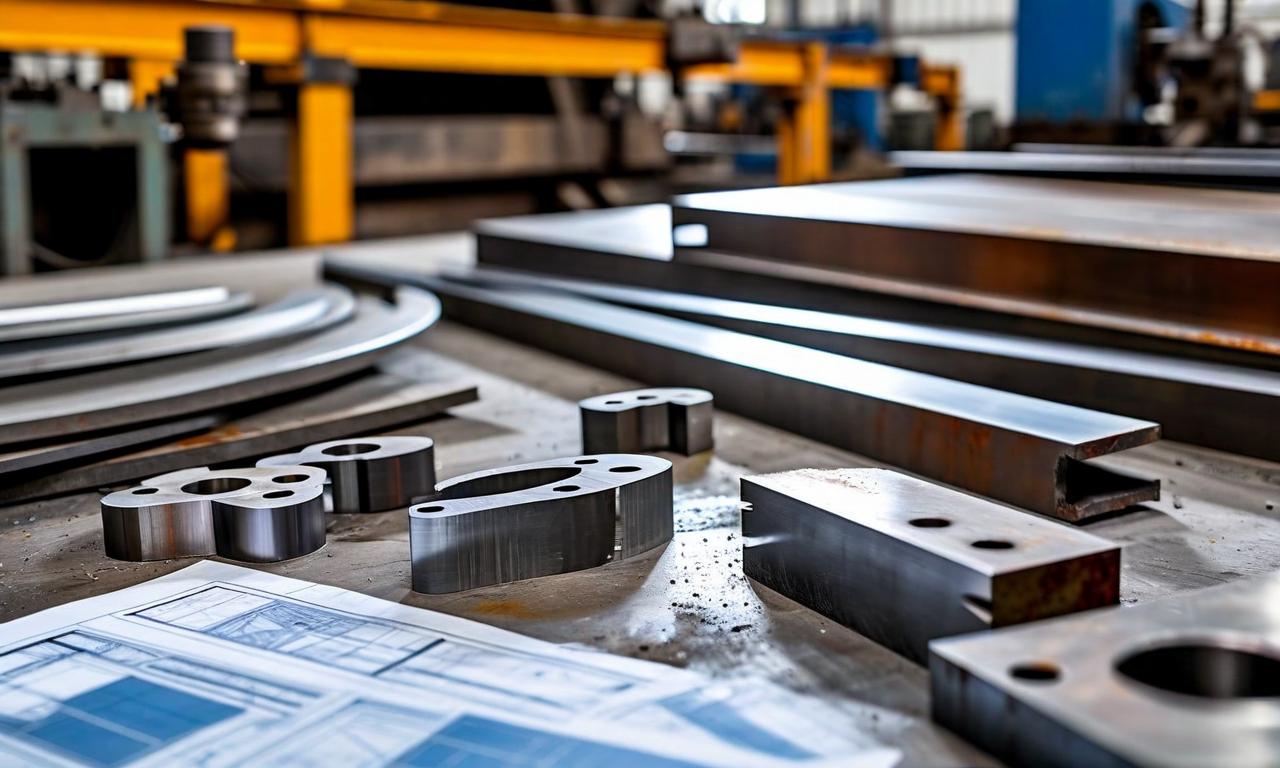
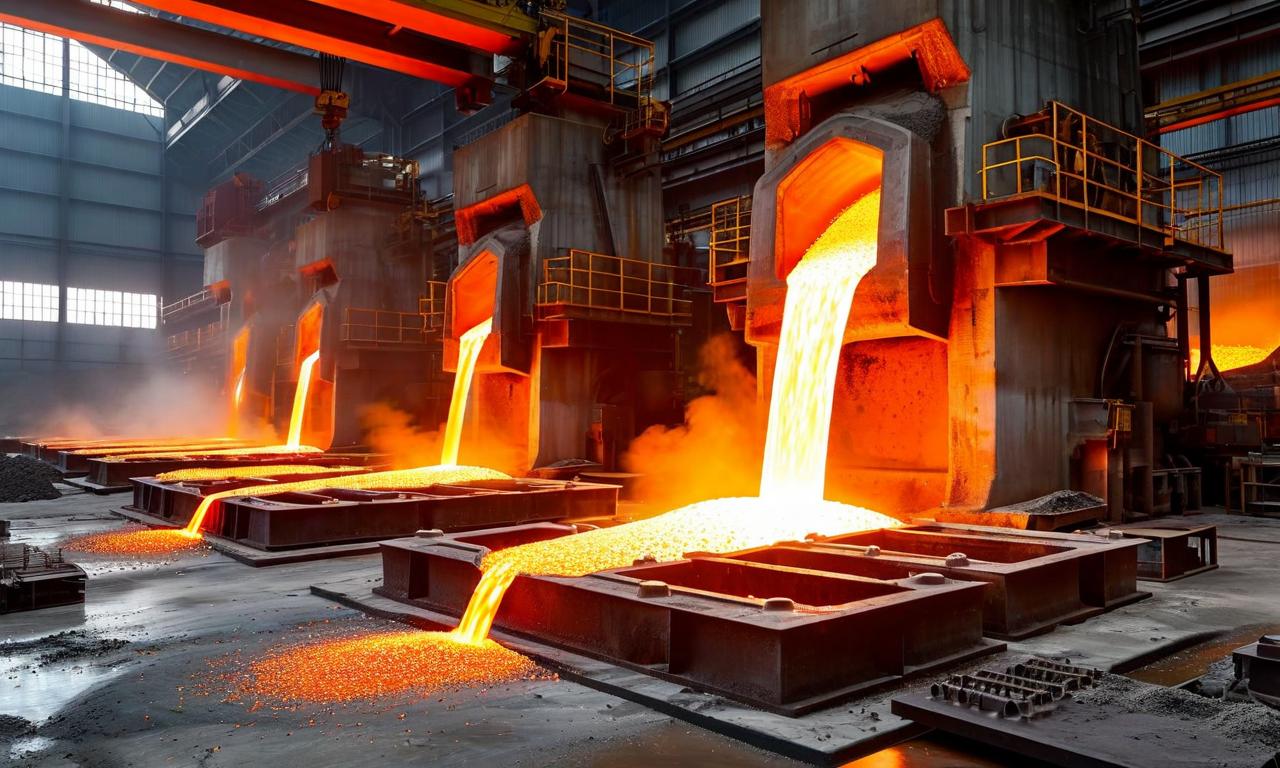
*this image is generated using AI for illustrative purposes only.
Pitti Engineering Limited filed its Annual Report for FY26 with stock exchanges on August 24, 2026, ahead of its 42nd AGM scheduled for September 18, 2026, reporting consolidated revenue growth of 12.02% to ₹1,952.91 crore.
The Hyderabad-based manufacturer also filed its Business Responsibility and Sustainability Report (BRSR) for the year ended March 31, 2026. On a standalone basis, the company reported revenue from operations of ₹1,59,001.01 lakhs and a turnover of ₹1,57,557.42 lakhs, with net worth standing at ₹90,041.11 lakhs.
Financial Performance
The company delivered healthy financial results across both standalone and consolidated bases, with disciplined execution despite elevated inventory levels maintained to safeguard customer commitments amid an electrical steel supply deficit.
| Metric | FY26 | FY25 | YoY Change |
|---|---|---|---|
| Consolidated Revenue from Operations | ₹1,91,280.36 lakhs | ₹1,70,456.71 lakhs | +12.22% |
| Consolidated Total Income | ₹1,95,291.37 lakhs | ₹1,74,336.01 lakhs | +12.02% |
| Consolidated Adjusted EBITDA | ₹325.79 crore | ₹271.71 crore | +19.90% |
| Consolidated Adjusted EBITDA Margin | 17.03% | 15.94% | +109 bps |
| Consolidated Adjusted PAT | ₹128.07 crore | ₹122.88 crore | +4.22% |
| Consolidated PAT | ₹117.81 crore | ₹122.29 crore | -3.66% |
| Consolidated Operating Cash Flow | ₹204.91 crore | — | — |
| Standalone Revenue from Operations | ₹1,59,001.01 lakhs | ₹1,52,454.81 lakhs | +4.29% |
| Standalone PAT | ₹9,752.55 lakhs | ₹10,683.47 lakhs | -8.71% |
On a consolidated basis, the debt-to-equity ratio improved to 0.74. The company maintained inventories of ₹394.91 crores to manage supply chain disruptions stemming from regulatory changes in electrical steel availability, which created an estimated domestic supply deficit of 1,50,000 tonnes.
Operational Highlights
Consolidated lamination and assembly volumes grew 10.3% to 69,517 tonnes, while high value-added assemblies grew 21.8% and shaft and stator-frame integrated assemblies grew 31.9%. Casting and machined component volumes rose 15.4% to 12,012 tonnes. Capacity utilisation improved across all three businesses.
| Business | Capacity (FY26) | Utilisation (FY26) | Post-Expansion Capacity |
|---|---|---|---|
| Sheet Metal (MT) | 90,000 | 76% | 1,08,000 by H1 2026-27 |
| Machining (Hours) | 7,20,000 | 81% | 10,80,000 by Q1 2029-30 |
| Castings (MT) | 18,600 | 71% | 24,600 by H1 2026-27; 36,000 by Q1 2029-30 |
Exports on a consolidated basis contributed ₹531.31 crores. Traction motors and railway components remained the largest revenue contributor at 33%, followed by power generation at 15% and industrial and commercial motors at 13%. Data centres contributed 3% of revenue, with the company expanding its customer base by two clients in this segment during the year.
Capital Expenditure and Expansion
The company is executing an ongoing ₹150 crore brownfield programme, of which approximately ₹100 crore has been spent, aimed at raising consolidated sheet metal capacity from 90,000 tonnes to 1,08,000 tonnes and casting capacity from 18,600 tonnes to 24,600 tonnes. Additionally, a ₹290 crore capex project was announced to expand castings and machined components capabilities, targeting casting capacity of 36,000 tonnes and machining capacity of 10,80,000 hours by Q1 2029-30.
Revenue Mix and Exports
| Year | Export Revenue (₹ crore) | Export Share (%) | Domestic Revenue (₹ crore) | Domestic Share (%) |
|---|---|---|---|---|
| 2025-26 | 531.31 | 27 | 1,421.60 | 73 |
| 2024-25 | 500.39 | 29 | 1,242.97 | 71 |
| 2023-24 | 434.47 | 34 | 858.19 | 66 |
| 2022-23 | 370.51 | 33 | 747.49 | 67 |
Export revenue has grown 43% over three years. The company serves customers across 11+ countries and operates six manufacturing locations across Telangana, Maharashtra, and Karnataka.
Scheme of Amalgamation
The Board approved a Scheme of Amalgamation on February 5, 2026, for the merger of wholly owned subsidiaries Pitti Industries Private Limited (formerly Bagadia Chaitra Industries Private Limited) and Dakshin Foundry Private Limited with the company. The NCLT dispensed with member and creditor meetings vide its order dated April 10, 2026. A second motion petition was filed on April 23, 2026, and is pending NCLT sanction. The appointed date for the scheme is April 1, 2026.
Dividend and AGM
The Board recommended a final dividend of ₹2.50 per equity share of face value ₹5 each for FY26, subject to member approval at the 42nd AGM. The record date is September 11, 2026. The AGM will be held through video conferencing on September 18, 2026 at 4:00 pm.
What the Numbers Show
Adjusted EBITDA growing faster than revenue — 19.90% versus 12.02% — indicates improving operating leverage as the company shifts its product mix toward higher value-added assemblies. Shaft and stator-frame integrated assemblies grew 31.9%, well ahead of loose laminations, reflecting this mix improvement. However, standalone PAT declined 8.71% as finance costs rose to ₹8,284.61 lakhs from ₹6,759.32 lakhs, partly reflecting the cost of carrying higher strategic inventories.
Sustainability Initiatives
The company's 1 MW solar power plant at Chhatrapati Sambhajinagar generated 1,496.89 MWh of renewable electricity, avoiding an estimated 1,072 MT CO2e in emissions. Afforestation projects covered 8 acres across Chhatrapati Sambhajinagar and Hyderabad facilities, with approximately 35,700 trees planted. The company added two electric vehicles during the year, bringing the total to 23 EVs over the last four financial years. Pitti Engineering achieved LEED Platinum certification for its Chhatrapati Sambhajinagar facility and received a Bronze Medal from EcoVadis.
Human Resources and Safety
As of March 31, 2026, the company employed 1,070 permanent employees and 2,843 workers on a standalone basis, while the consolidated talent base stood at 1,982 employees. Women comprise 2.34% of permanent employees and 0.14% of workers, while female representation on the Board of Directors stands at 28.57% (2 out of 7 directors). The company reported zero workplace injuries during the reporting year. Certain matters filed before the labour court by employees at the Chhatrapati Sambhajinagar facility are currently pending adjudication.
| Metric | Value |
|---|---|
| Standalone Turnover | ₹1,57,557.42 lakhs |
| Standalone Net Worth | ₹90,041.11 lakhs |
| Export Contribution (Standalone) | 31.89% |
| Paid-up Capital | ₹1,882.68 lakhs |
| Consolidated Net Worth | ₹936.14 crore |
| Consolidated Total Assets | ₹2,137.78 crore |
Historical Stock Returns for Pitti Engineering
| 1 Day | 5 Days | 1 Month | 6 Months | 1 Year | 5 Years |
|---|---|---|---|---|---|
| +0.46% | -8.50% | -12.23% | +24.12% | +5.66% | 0.0% |

How will the pending NCLT sanction for the amalgamation of Pitti Industries and Dakshin Foundry impact the company's operational integration and financial consolidation timelines?
What is the projected timeline for Pitti Engineering to fully resolve the electrical steel supply deficit, and how will this affect inventory carrying costs and margins in FY27?
Given the decline in standalone PAT despite revenue growth, what specific strategies is management implementing to control rising finance costs associated with strategic inventory buildup?
 20
20




 Access 50+ Readymade Screeners
  Use 200+ Custom Filters
  Get Full Market Insights





