Swan Defence Q2FY27 Results: PAT ₹566 Cr, order book hits ₹6,500 Cr


- Swan Defence posted a quarterly net profit of ₹566.44 crore for Q2FY27, reversing from a loss in Q2FY26.
- Revenue from operations for the quarter grew 74% YoY to ₹68.85 crore, while H1FY27 revenue rose 149% to ₹99.46 crore.
- The company announced an order book expansion to approximately ₹6,500 crore, including new export orders for ammonia dual-fuel bulk carriers and harbour tugs.
- Profit was driven by a one-time tax provision write-back linked to the amalgamation with Triumph Offshore Private Limited.
- Operating activities generated a positive cash flow of ₹44.74 crore in H1FY27, despite a decline in cash balances.

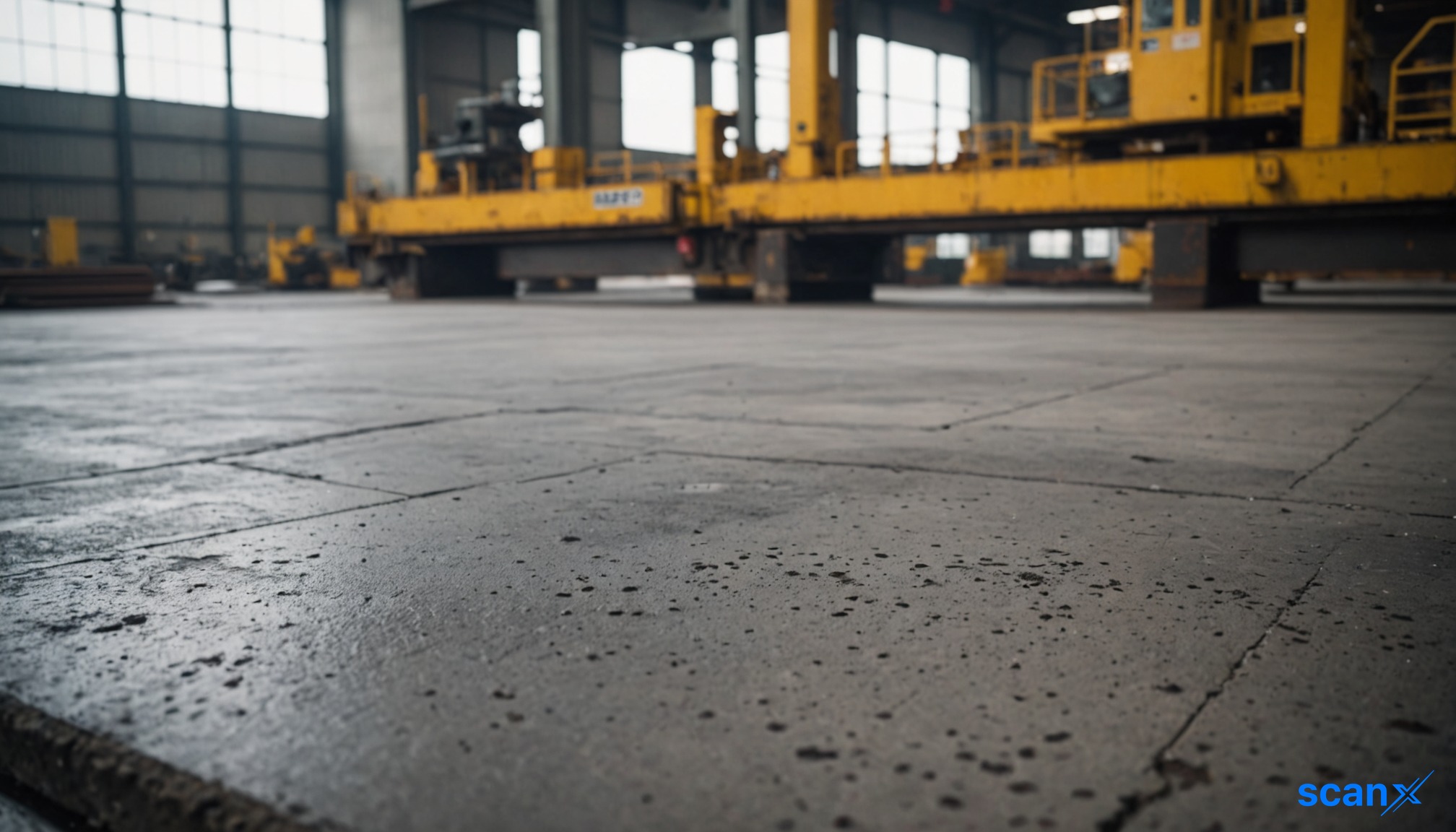

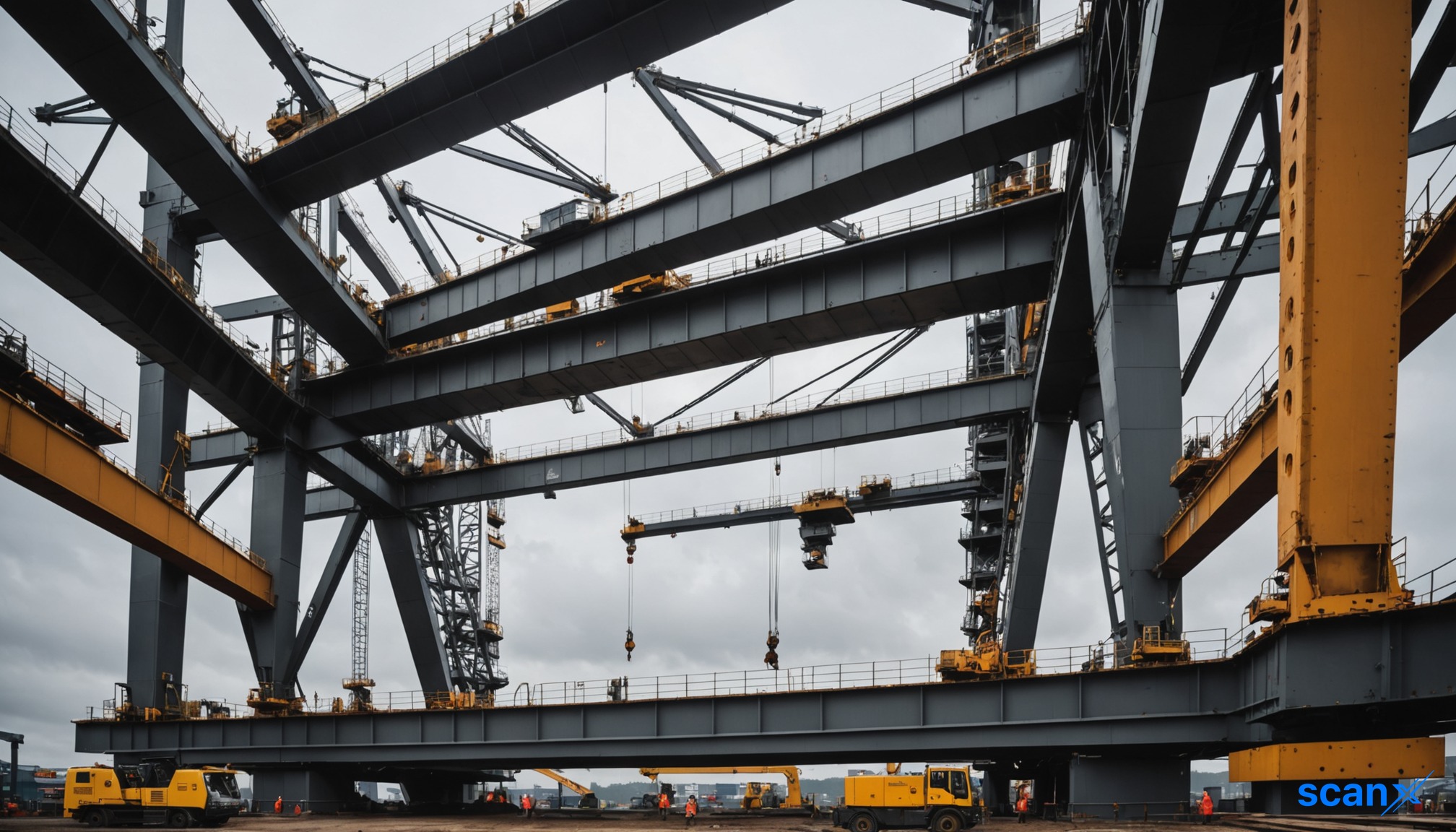
*this image is generated using AI for illustrative purposes only.
Swan Defence and Heavy Industries Limited reported a ₹566.44 crore net profit for the quarter ended September 30, 2026, reversing from a loss of ₹0.55 crore in Q2FY26. The company’s half-year profit stood at ₹524.78 crore, driven by a one-time tax provision write-back linked to the amalgamation with Triumph Offshore Private Limited (TOPL).
Operating revenue for the quarter jumped to ₹68.85 crore from ₹39.57 crore in the corresponding period last year. For the half year ended September 30, 2026, revenue from operations rose 149% to ₹99.46 crore. The Board approved the unaudited standalone and consolidated financial results during a meeting held on October 12, 2026.
Financial Performance Overview
| Metric | Q2FY27 | Q2FY26 | Change |
|---|---|---|---|
| Revenue from Operations | ₹68.85 crore | ₹39.57 crore | +74% |
| Total Income | ₹125.68 crore | ₹70.23 crore | +79% |
| Reported PBT | ₹3.29 crore | ₹5.79 crore | -43% |
| Reported PAT | ₹566.44 crore | -₹0.55 crore | N/A |
Note: Figures converted from Lakhs to Crore for readability. Consolidated financial statements have been restated to reflect the TOPL merger.
What the Numbers Show
A critical divergence exists between operational profitability and the bottom line. While quarterly PBT declined to ₹3.29 crore from ₹5.79 crore in Q2FY26, the massive jump in net profit to ₹566.44 crore is entirely attributable to exceptional items, specifically the excess provision of earlier years written back in the books. This write-back stems from the reassessment of tax provisions carried in the books of the Transferor Company (TOPL) post-merger. Consequently, the reported EPS does not reflect sustainable operational earnings, as core operations remain in a ramp-up phase despite strong top-line growth.
Order Book Expansion and Strategic Shifts
The company has transitioned from a distressed facility to a state-of-the-art maritime asset with a firm order book of approximately ₹6,500 crore. This includes two new export orders secured in FY27:
- Energy ONE Limited: 4 × 92,500 DWT ammonia dual-fuel bulk carriers, India’s first such order, with deliveries commencing in FY30.
- Svitzer (A.P. Moller – Maersk Group): 4 × 80T Bollard Pull Transverse 3200 Tugs, designed for high maneuverability and biofuel readiness, with deliveries starting early 2028.
Existing orders include 6 × 18,000 DWT chemical tankers for Rederiet Stenersen AS and a training ship for the Royal Navy of Oman. The order book is inclusive of government subsidies and valued at USDINR = 95.15. Revenue recognition follows Ind AS 115 using the Input Method, with expected completion of the current order book reaching 6% in FY27, rising to 100% by FY31.
Business Highlights and Execution
SDHI completed seven ship repair and refit projects in H1FY27, spanning Indian Coast Guard vessels, commercial ships, and offshore rigs. Notably, the refit of ICGS Samudra Pavak was delivered ahead of schedule. In heavy engineering, steel cutting commenced for five barge unloaders for L&T Mines and Minerals.
The company also signed a strategic MoU with DNV, the first such partnership with an Indian shipyard, to strengthen capabilities across design certification, R&D, and digital adoption. CEO Rear Admiral Vipin Kumar Saxena stated that H1FY27 marks the transition from turnaround to scaled execution, with domestic demand expected to pick up over the next 12 to 18 months.
Financing and Policy Support
To support the scale-up, Swan Defence secured a ₹1,150 crore term loan from NaBFID. The initial coupon rate is 8.85%, but after a 3% interest subvention under central government policy, the effective coupon rate reduces to 5.85%.
Additionally, the Gujarat Shipbuilding Policy 2026 provides further incentives:
- Financial Assistance: 8-10% of contract price (up to ₹50 crore).
- MSME Procurement Subsidy: 5% on goods and services from registered MSMEs.
- Skill Development: 60% assistance for training centres and R&D infrastructure.
The company also received in-principle approval for brownfield capacity expansion under the Shipbuilding Development Scheme, covering a 600T Goliath Crane and a 40T ELL Crane, with 25% capital assistance on eligible project costs.
Balance Sheet and Cash Flow Dynamics
The balance sheet reflects significant changes due to the pooling-of-interests method used for the TOPL amalgamation. Total assets decreased to ₹389.11 crore as of September 30, 2026, from ₹544.52 crore as of March 31, 2026. This reduction is largely driven by a decrease in non-current financial assets, which fell from ₹205.29 crore to ₹77.82 crore.
Cash and cash equivalents declined to ₹8.75 crore from ₹18.41 crore at the start of the fiscal year. Despite the negative movement in cash balances, operating activities generated a positive cash flow of ₹44.74 crore, aided significantly by a ₹42.68 crore release in trade and other receivables.
Historical Stock Returns for Swan Defence & Heavy Industries
| 1 Day | 5 Days | 1 Month | 6 Months | 1 Year | 5 Years |
|---|---|---|---|---|---|
| -1.38% | -0.62% | -4.96% | +45.99% | 0.0% | +7,269.31% |

How will the company sustain profitability once the one-time tax provision write-back from the TOPL amalgamation ceases to impact the bottom line?
What are the projected capital expenditure requirements to execute the ₹6,500 crore order book, and how will the NaBFID term loan be deployed across these projects?
Given that only 6% of the current order book is expected to be completed in FY27, what specific milestones must be met to ensure revenue recognition accelerates significantly in FY28?
 18






 Create Custom Screeners
 Access 200+ Pre-built Filters
 Use 50+ Readymade Screener