

Ola Electric Announces Indigenous 46100 LFP Cell Readiness Under Regulation 30


Ola Electric has officially disclosed under Regulation 30 the readiness of its in-house developed 46100 LFP cell technology, which is larger than current NMC cells and will enter products next quarter. The company's gigafactory operations show strong progress with current 2.5 GWh capacity scaling to 6 GWh, while thousands of vehicles powered by 4680 cells have covered millions of kilometers on Indian roads, validating the technology's reliability and supporting the End ICE Age vision.


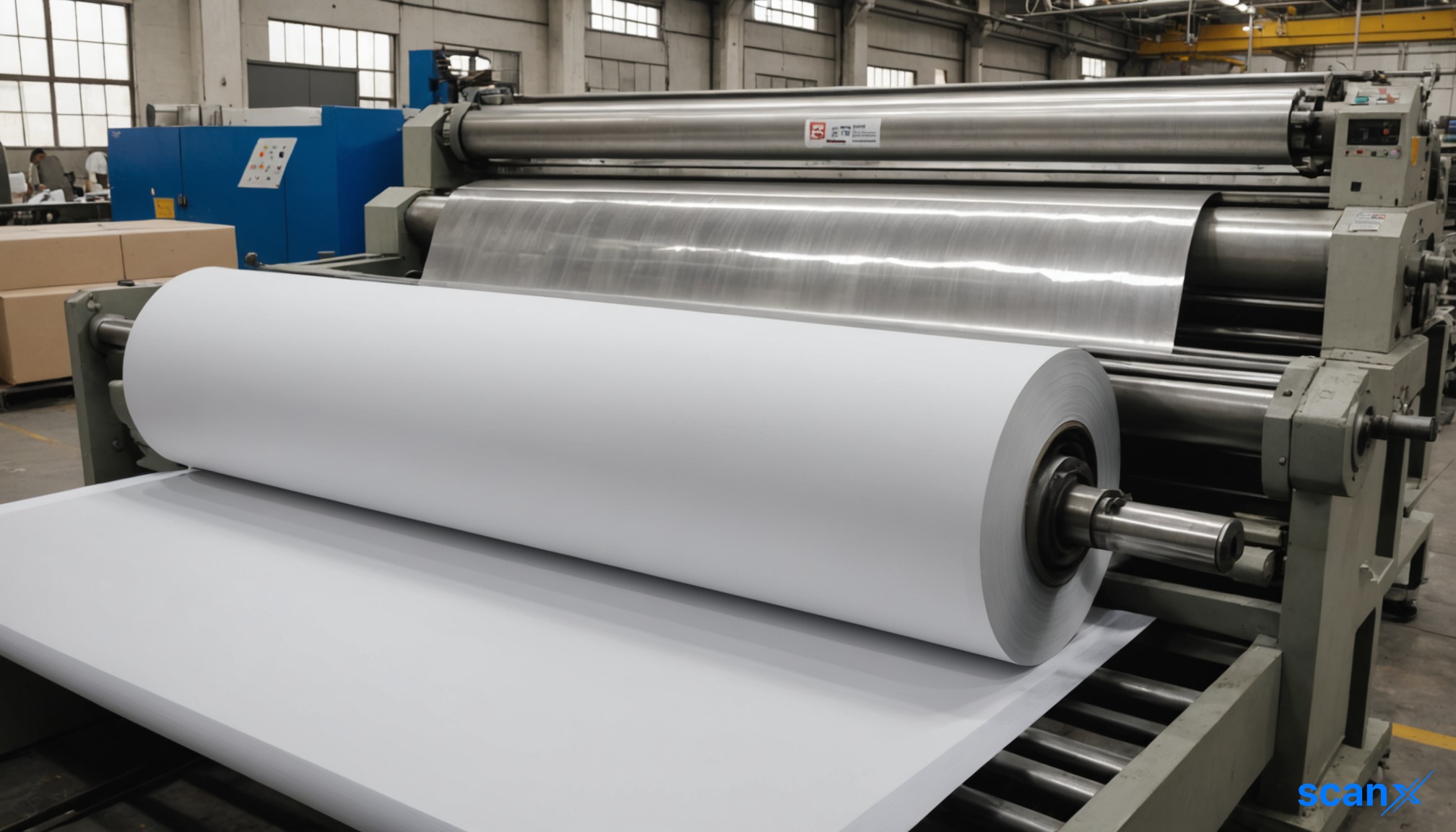
*this image is generated using AI for illustrative purposes only.
Ola Electric Mobility has made an official disclosure under Regulation 30 regarding the readiness of its indigenous 46100 LFP cell technology, marking a significant milestone in its End ICE Age vision and vertically integrated battery innovation efforts.
LFP Cell Technology Ready for Commercial Deployment
The company announced that its in-house developed Lithium Iron Phosphate (LFP) cell technology is now ready for prime time deployment. The new 46100 format cell is notably larger than the company's current NMC 4680 Bharat Cell and will begin integration into products starting next quarter, subject to regulatory approvals.
| Technology Specifications: | Details |
|---|---|
| Cell Type: | LFP (Lithium Iron Phosphate) |
| Format: | 46100 (larger than current NMC 4680) |
| Deployment Timeline: | Next quarter |
| Development: | In-house indigenous technology |
| Status: | Subject to regulatory approvals |
Gigafactory Operations and Manufacturing Scale
The gigafactory ramp-up operations continue to progress strongly, with thousands of vehicles powered by the company's 4680 Bharat Cells already operational on Indian roads. These vehicles have collectively covered millions of kilometers under real-world driving conditions, demonstrating the reliability and performance of the company's battery technology.
| Manufacturing Capacity: | Current Status |
|---|---|
| Current Capacity: | 2.50 GWh |
| Scaling Target: | 6.00 GWh |
| On-Road Validation: | Thousands of vehicles |
| Distance Covered: | Millions of kilometers |
Strategic Benefits and Market Impact
The LFP cell technology represents a significant strategic advancement, offering multiple benefits that align with the company's broader market objectives. The introduction of LFP chemistry is expected to unlock further reductions in vehicle cost and accelerate EV adoption by making electric mobility more accessible.
| Strategic Impact: | Benefits |
|---|---|
| Cost Reduction: | Further reduction in vehicle costs |
| Market Expansion: | Accelerated EV adoption |
| Product Diversification: | Foundation for battery storage solutions |
| Manufacturing Scale: | Next major phase of Gigafactory scale-up |
End ICE Age Initiative and Customer Programs
As part of its End ICE Age journey, the company continues to focus on removing barriers to EV adoption through innovation and customer-centric initiatives. These include affordability programs, service guarantees, buyback assurances, and passing on government incentives such as PLI benefits directly to customers.
Regulatory Compliance and Official Disclosure
The disclosure was made on April 7, 2026, through official communications to NSE (Scrip Symbol: OLAELEC) and BSE (Scrip Code: 544225). The announcement was signed by Chief Financial Officer Deepak Rastogi from Bengaluru and has been hosted on the company's official website at www.olaelectric.com as part of regulatory compliance requirements.
Historical Stock Returns for Ola Electric Mobility
| 1 Day | 5 Days | 1 Month | 6 Months | 1 Year | 5 Years |
|---|---|---|---|---|---|
| +0.43% | -11.44% | -4.87% | +62.63% | -34.89% | -59.34% |

How will the transition from NMC to LFP chemistry affect Ola Electric's battery supply chain partnerships and raw material sourcing strategy?
What impact could Ola's indigenous LFP cell technology have on India's position in the global EV battery manufacturing landscape?
Will the cost reductions from LFP technology enable Ola Electric to expand into new vehicle segments or international markets?
 16
16






 Create Custom Screeners
  Access 200+ Pre-built Filters
  Use 50+ Readymade Screener





