

Nvidia and Corning add 3,000 jobs to build AI infrastructure


Nvidia Corp. and Corning Inc. are partnering to build three new optical fiber manufacturing facilities in North Carolina and Texas, a move expected to create over 3,000 jobs. Meanwhile, Ford Motor Co. has rehired 350 veteran engineers after its automated quality systems failed to meet expectations. These developments contradict the narrative that artificial intelligence will rapidly eliminate human employment.


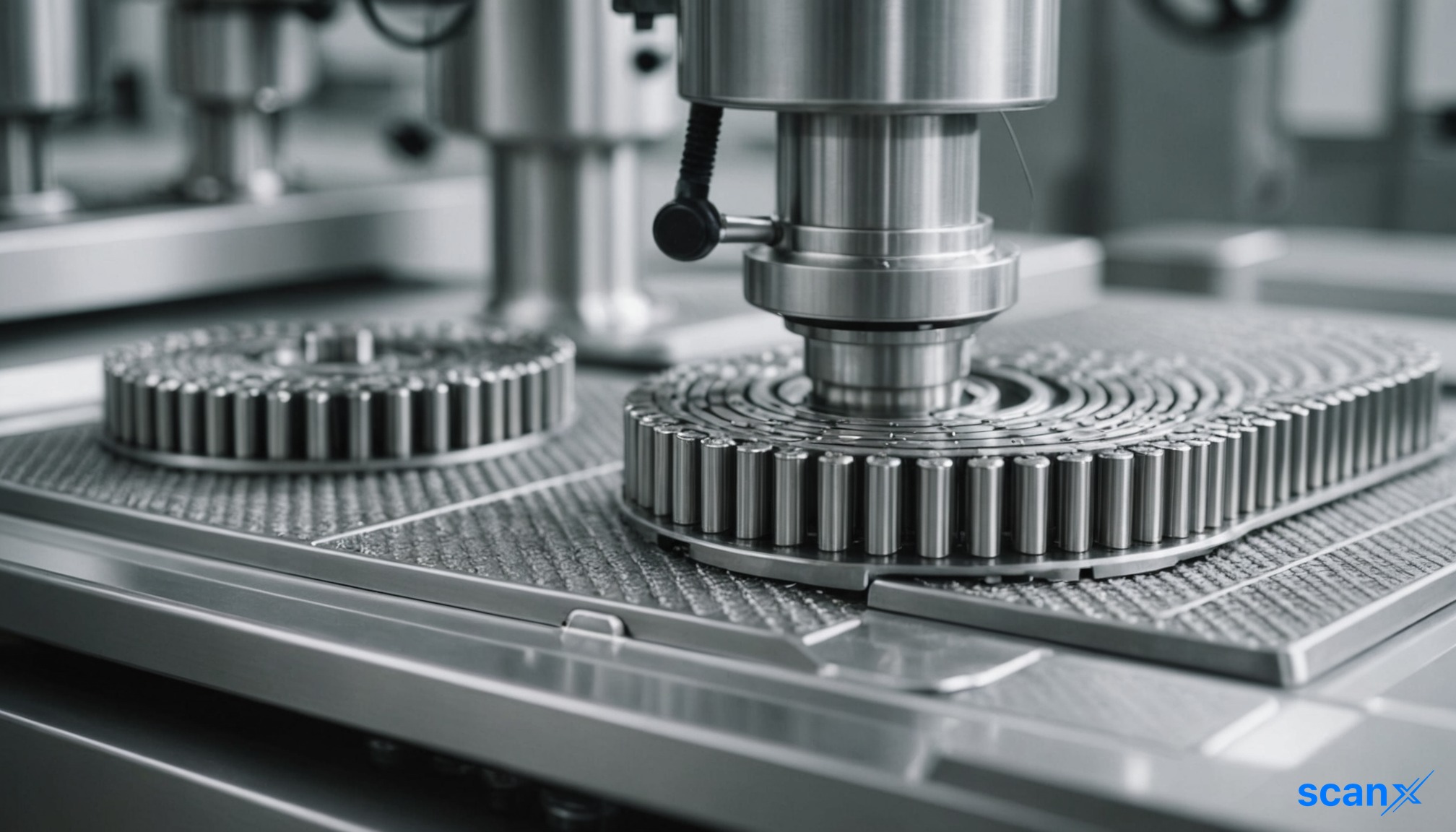
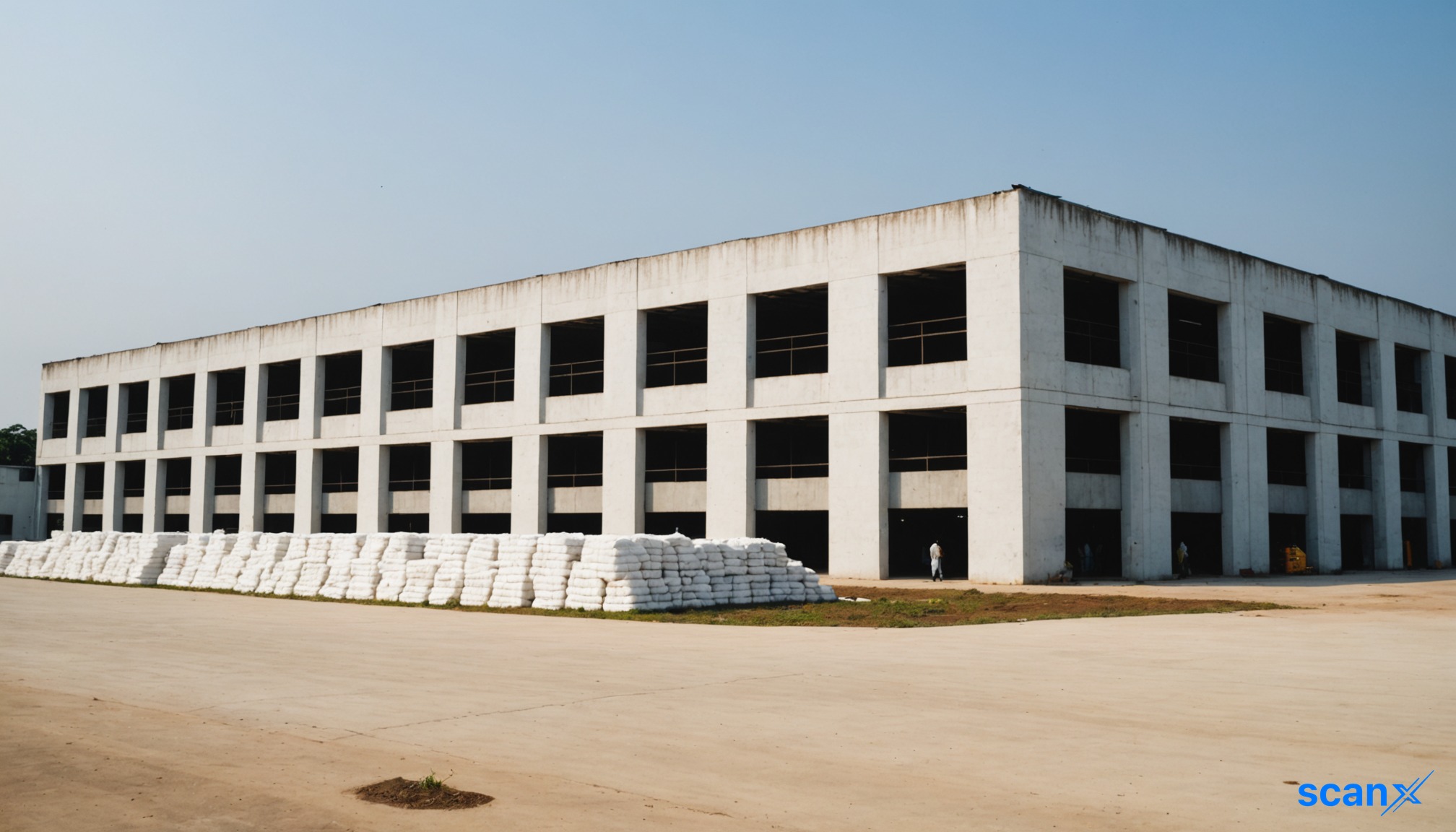
*this image is generated using AI for illustrative purposes only.
Major U.S. corporations are actively expanding their human workforce to support the artificial intelligence (AI) boom, contradicting recent claims that the technology will render jobs obsolete. Nvidia Corp. and Corning Inc. are partnering to construct three new advanced optical fiber manufacturing facilities in North Carolina and Texas, a venture expected to create over 3,000 jobs. Simultaneously, Ford Motor Co. has reversed course on automation, rehiring 350 veteran engineers after its AI-driven quality control systems proved inadequate. These actions highlight the enduring necessity of human labor in both building and managing advanced technology infrastructure.
Infrastructure Boom Fuels Hiring
The expansion by Corning and Nvidia is driven by the physical requirements of AI data centers, which necessitate extensive optical fiber networks. Corning CEO Wendell Weeks emphasized that AI is a significant job creator, particularly in manufacturing. "The common story is AI being powered by chips, but actually, those chips are connected by glass," Weeks noted, pointing to the often-overlooked hardware components essential for the industry.
| Company | Action | Location | Jobs Created/Rehired |
|---|---|---|---|
| Corning Inc. and Nvidia Corp. | New manufacturing facilities | North Carolina and Texas | > 3,000 |
| Ford Motor Co. | Rehiring veteran engineers | Not specified | 350 |
Ford’s AI Reality Check
While infrastructure development accelerates, Ford's experience underscores the limitations of replacing human judgment with software. The automaker found that its automated quality control results "were not good enough" to identify failure points before parts reached factories. Consequently, Ford brought back experienced engineers to oversee quality and mentor junior staff. Ford Vice President Charles Poon admitted the company mistakenly believed that introducing AI and adjusting design requirements would be sufficient to ensure high quality. This strategic reset has already saved the company hundreds of millions of dollars.
Market Performance
Corning's stock has reflected the positive sentiment surrounding its AI-related expansion. GLW shares have surged 151.98% year-to-date and 319.53% over the year. However, the stock closed 13.62% lower at $220.63 on Wednesday and was down 2.82% in premarket trading on Thursday. Analyst rankings indicate GLW maintains a strong price trend across short, medium, and long-term periods, despite a poor value score.

Will other industries facing similar automation challenges follow Ford's lead in reintegrating human oversight?
How will the rising demand for physical infrastructure components like optical fiber impact supply chain costs across the AI sector?
Can Corning and Nvidia sustain this pace of hiring if the current surge in AI data center construction begins to plateau?
 15
15





 Create Custom Screeners
  Access 200+ Pre-built Filters
  Use 50+ Readymade Screener





