Musk targets Starship upper stage catch by early 2027; traders remain skeptical

scanx
Reviewed by
Jubin VScanX News Team
Key Highlights
  • Elon Musk targets Starship upper stage catch by end of 2026 or early 2027
  • Prediction markets assign only 3% odds to a ship catch on Flight 14
  • Odds of full reusability before 2027 fell to 42%, down from 57%
  • SpaceX shares declined approximately 3% following the comments
powered bylight_fuzz_icon
48782902

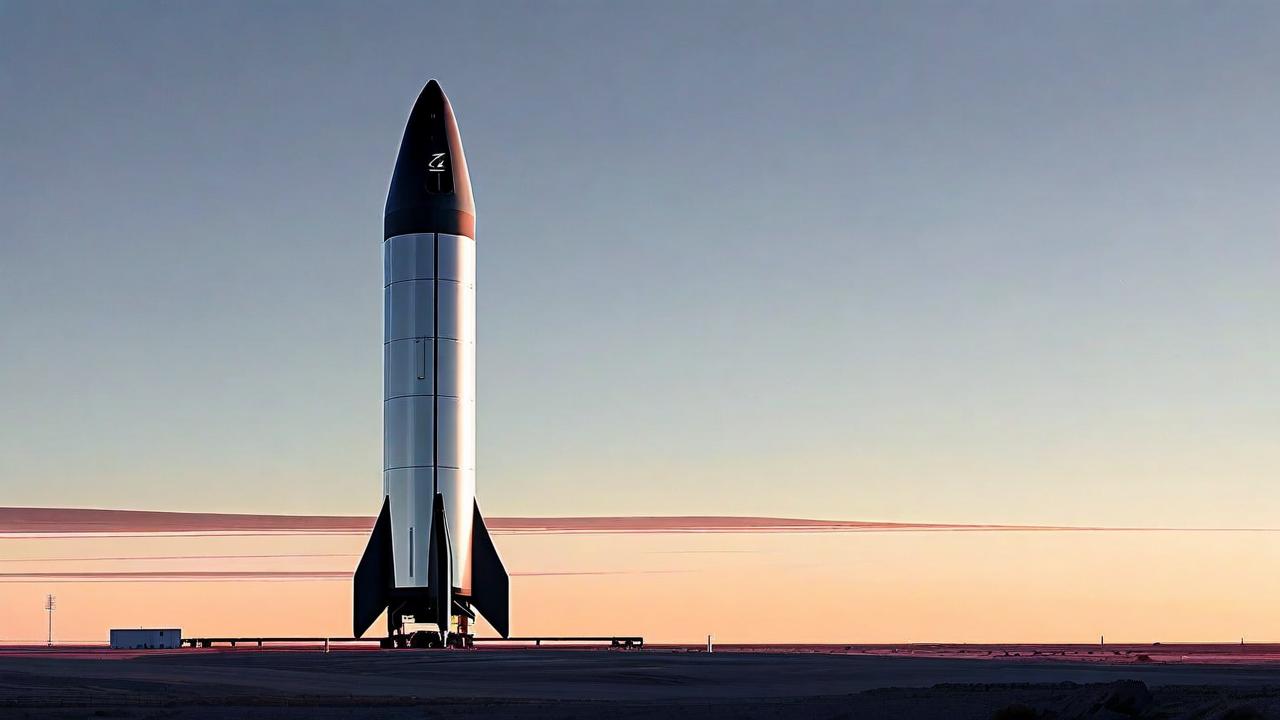
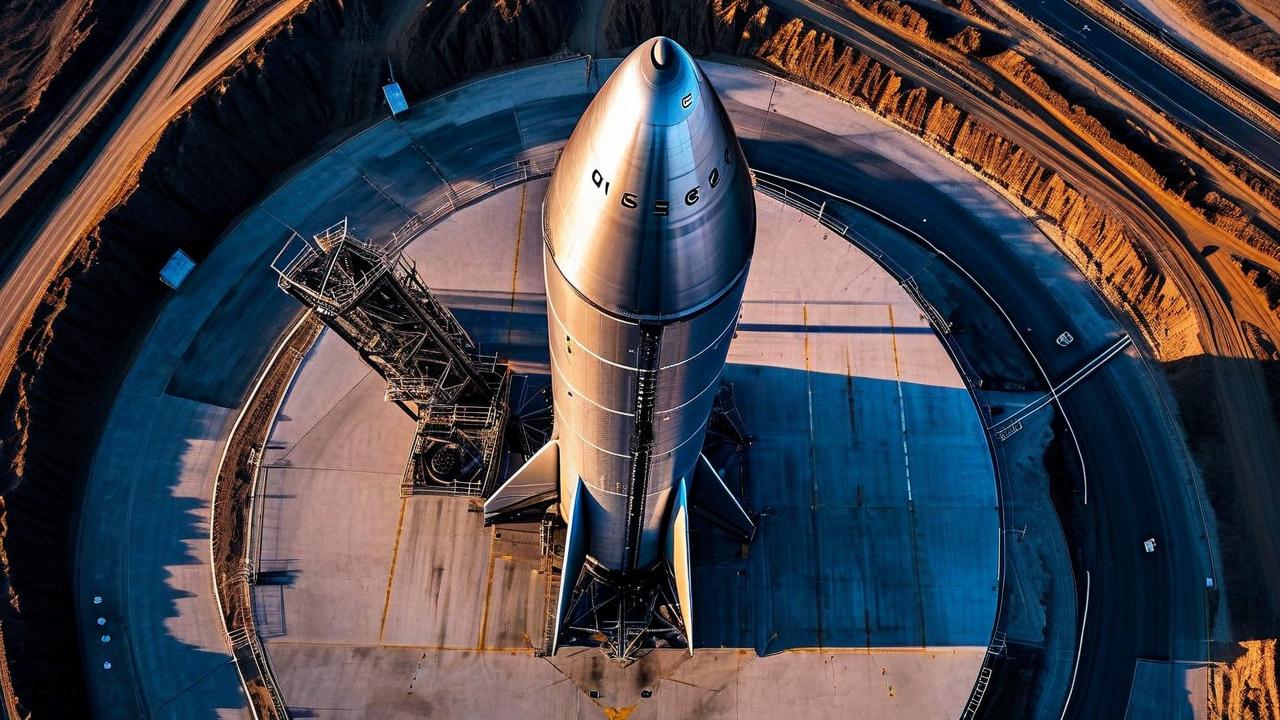
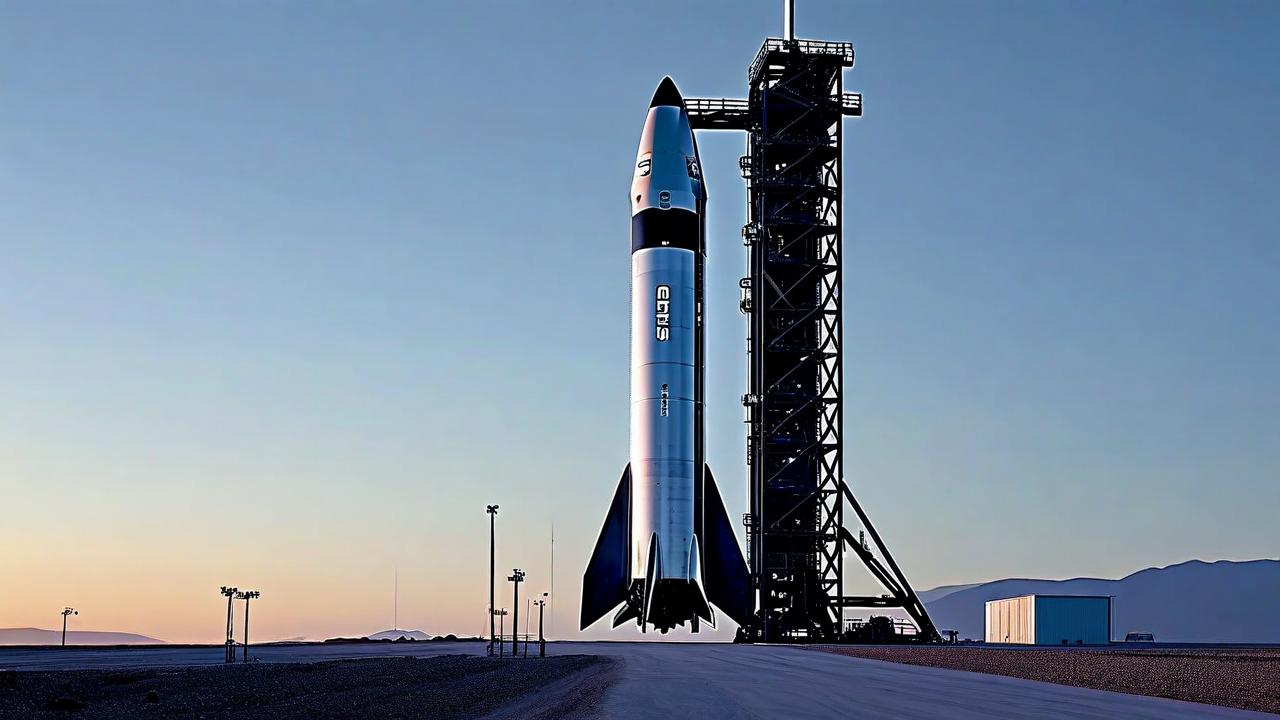
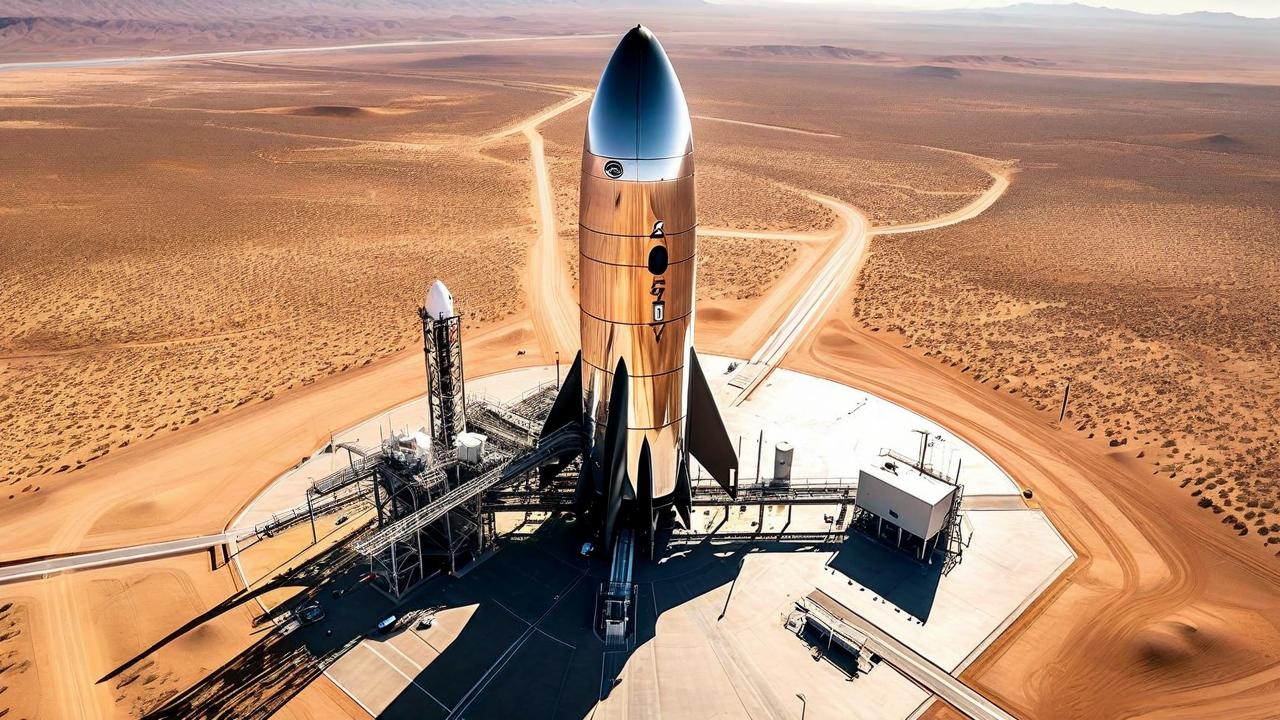
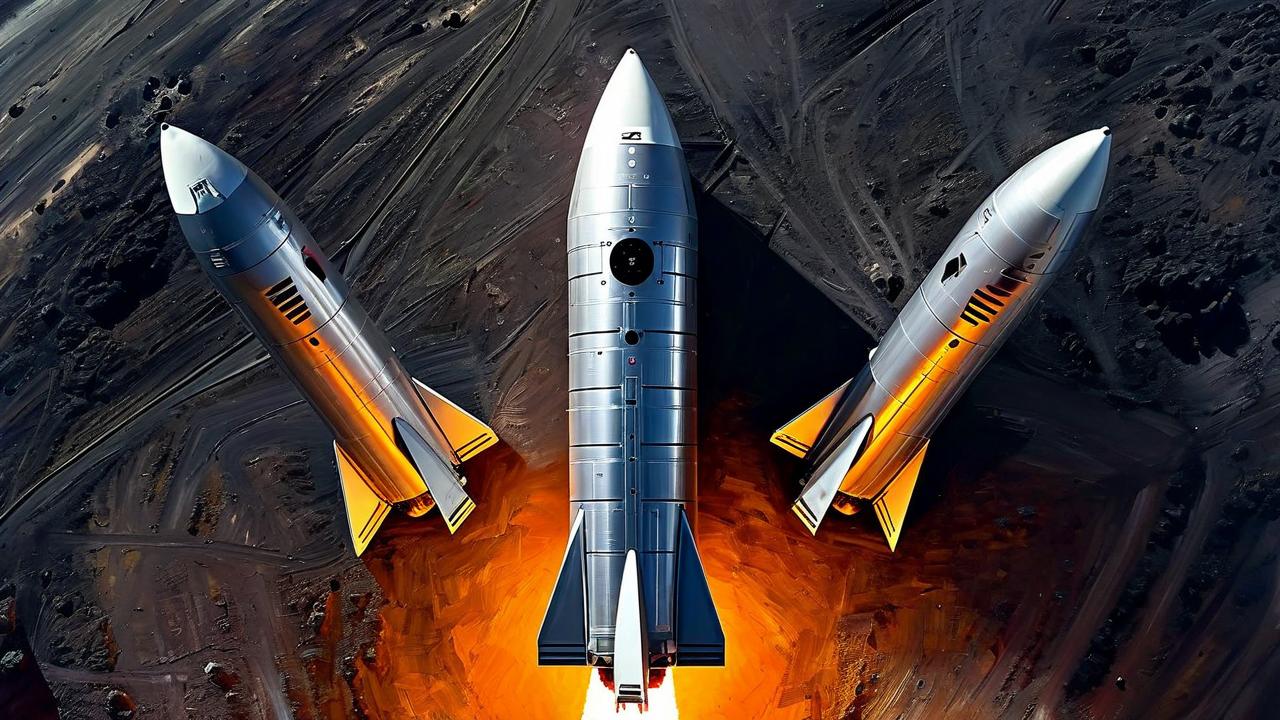
*this image is generated using AI for illustrative purposes only.

Elon Musk stated on Wednesday that SpaceX (NASDAQ: SPCX) is approaching the milestone of catching Starship’s upper stage with its launch tower. He indicated the first reflight could occur either at the end of this year or in early next year.

This update follows a history of shifting timelines for the project. In December 2021, Musk described full reusability as "preposterously difficult" and doubted achieving it by 2022. By February 2025, he predicted full reusability would likely be achieved that year. During this month’s earnings call, he suggested an attempt on the next flight, tentatively set for late August, pending regulatory approval.

Engineering Challenges

SpaceX has successfully caught its Super Heavy booster three times since October 2024. Recovering the upper stage presents greater difficulties, requiring the spacecraft to carry cargo into orbit, survive reentry heat, and retain sufficient fuel for a precise landing in the tower’s mechanical arms.

Flight 13 in July resulted in an intact splashdown in the Indian Ocean. However, landing at sea differs significantly from returning to the pad for capture and subsequent reflight.

Market Sentiment

Prediction market data suggests traders are cautious about these timelines. A contract for Flight 14 assigns only 3% odds to a ship catch. There is a 49% chance the mission occurs before September 15 and a 93% chance by September 30.

Traders assign a 12% chance of a booster catch because SpaceX plans to land it in the Gulf of Mexico, freeing the tower for the upper stage attempt. A separate contract gives SpaceX a 42% chance of declaring the upper stage fully reusable before 2027. This figure has dropped 15 percentage points from the 57% reported on August 10.

What the Numbers Show

The divergence between management’s timeline and market pricing highlights significant skepticism regarding execution speed. While Musk projects a potential catch within months, prediction markets price in a high probability of delay, with less than half the chance of full reusability before 2027. This gap underscores the financial stakes for investors, as reusable Starship capabilities are critical for lowering launch costs and deploying larger Starlink V3 satellites, which offer ten times the broadband capacity of current models.

Shares were down approximately 3% Thursday morning.

How might the widening gap between SpaceX's projected timelines and prediction market odds impact investor confidence and SPCX valuation in the near term?

What specific regulatory hurdles could delay the late August Flight 14 attempt, and how would such a delay affect the timeline for Starlink V3 satellite deployment?

If the upper stage catch fails on Flight 14, what engineering adjustments are most likely to be prioritized before the next attempt to address reentry heat and fuel management issues?

like15
dislike

Musk denies SpaceX sought to acquire AI startup Cognition

scanx
Reviewed by
Naman SScanX News Team
Key Highlights

Elon Musk and Scott Wu jointly denied reports of a SpaceX acquisition bid for AI startup Cognition, clarifying that discussions were solely about Grok integration. Cognition is currently targeting a $40 billion valuation in new funding talks, up from $26 billion in May. Separately, Musk updated investors on Starship recovery and delays in an Nvidia-backed Ohio data center project.

powered bylight_fuzz_icon
48769157

*this image is generated using AI for illustrative purposes only.

Space Exploration Technologies Corp. (NASDAQ: SPCX) CEO Elon Musk has denied reports that the company attempted to acquire artificial intelligence startup Cognition. The denial comes after Bloomberg reported on Wednesday that SpaceX had tried to buy the firm.

Cognition CEO Scott Wu addressed the claims on social media platform X, stating, "This is not true." He added that while he holds "huge respect for the SpaceX team," Cognition is not for sale and no acquisition talks have taken place. Musk endorsed Wu’s statement, confirming its accuracy.

Scope of Discussions Limited to Grok

Musk clarified the nature of any interaction between the two entities, stating that SpaceX had not held conversations with Cognition regarding anything other than "making sure Grok works well for their needs." This suggests any engagement was operational rather than transactional, focusing on the integration of Musk’s AI model, Grok, into Cognition’s workflows.

Cognition Funding and Valuation Context

The denial of acquisition rumors coincides with Cognition’s active fundraising efforts. The startup is currently in talks to secure fresh funding, eyeing a $40 billion valuation. This represents a significant increase from its last funding round in May, which valued the company at $26 billion. The latest round aims to raise roughly $1 billion.

Other SpaceX Developments

Beyond the acquisition denial, Musk provided updates on other major projects. He confirmed that SpaceX is recovering the Starship rocket from the Indian Ocean near Christmas Island following its 13th flight test. The rocket had spent nearly 24 days at sea, with Musk previously noting that recovery efforts looked difficult.

Additionally, Musk warned that an Ohio data center project, backed by Nvidia Corp (NASDAQ: NVDA) and intended to support OpenAI, could take longer to come online than expected. Reports indicate SoftBank Group (OTC: SFTBF) (OTC: SFTBY)-owned SB Energy is developing the data center, with OpenAI providing a guarantee of up to $105 billion tied to the lease.

What the Numbers Show

The divergence between Cognition’s valuation trajectory and the denial of an acquisition highlights the competitive dynamics in the AI sector. With Cognition seeking a $40 billion valuation—up from $26 billion in May—the startup is positioning itself as a high-value independent entity rather than a potential acquisition target for larger tech or aerospace conglomerates like SpaceX.

Metric Value
Cognition Latest Valuation Target $40 billion
Cognition Previous Valuation (May) $26 billion
Planned Funding Raise $1 billion
OpenAI Data Center Guarantee $105 billion

SPCX shares were down 0.90% to $138.40 during pre-market trading on Thursday.

How might Cognition's push for a $40 billion valuation impact the broader AI startup funding landscape and investor expectations for independent AI firms?

Could the operational integration of Grok into Cognition's workflows signal a shift toward deeper AI model partnerships rather than acquisitions in the tech sector?

What are the potential implications for OpenAI's infrastructure timeline if the Nvidia-backed Ohio data center faces significant delays?

like16
dislike

More News on SpaceX