

Musk backs moving NASA SLS workforce as phase-out plan emerges


- Elon Musk argues for repurposing the SLS workforce to other economic sectors
- NASA OIG estimated SLS/Orion system costs at $4.1 billion per launch in 2021
- Trump administration proposes phasing out SLS after Artemis III in FY26 budget
- Boeing's core-stage contract identified as cost-plus-award-fee by GAO

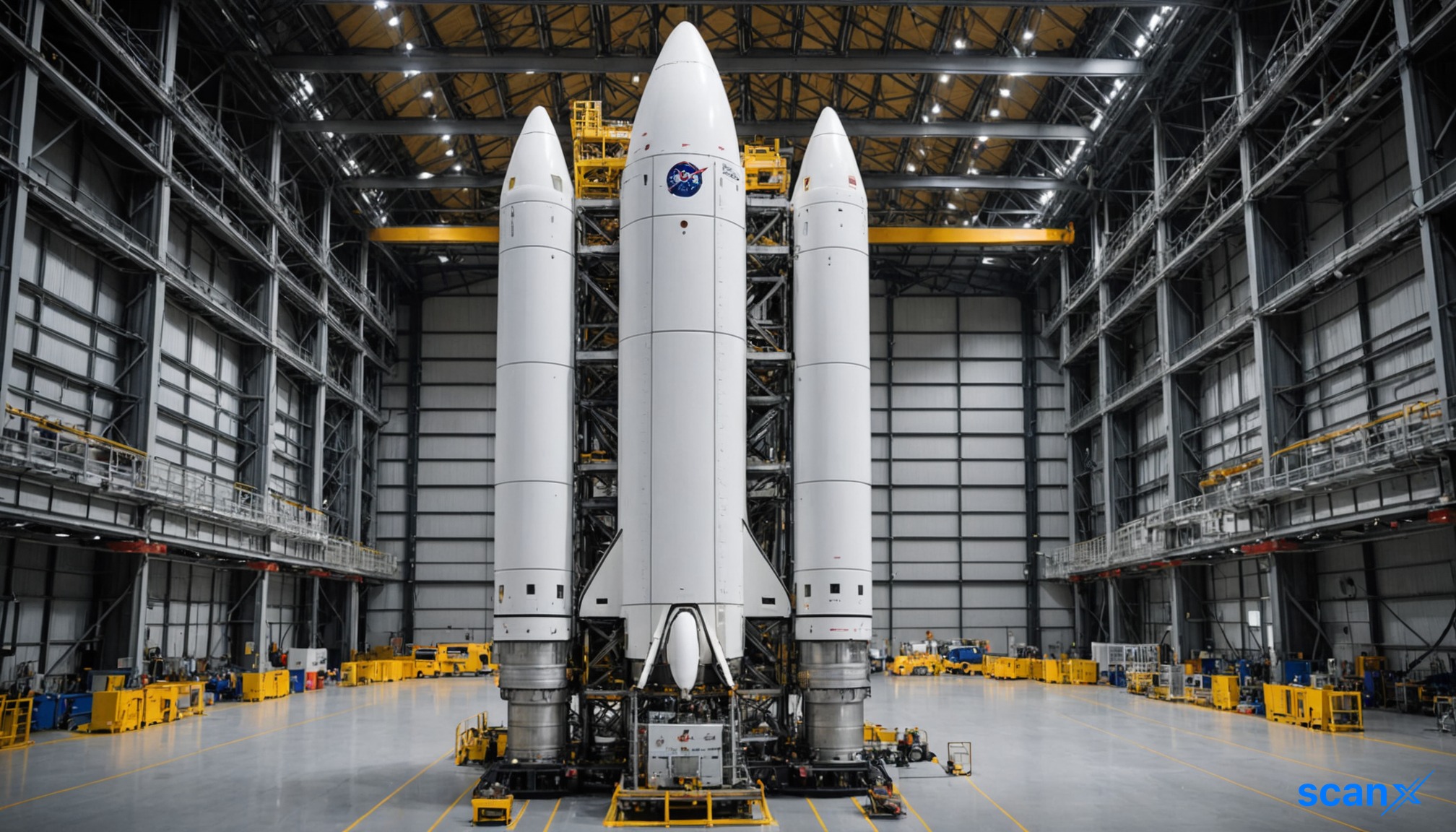

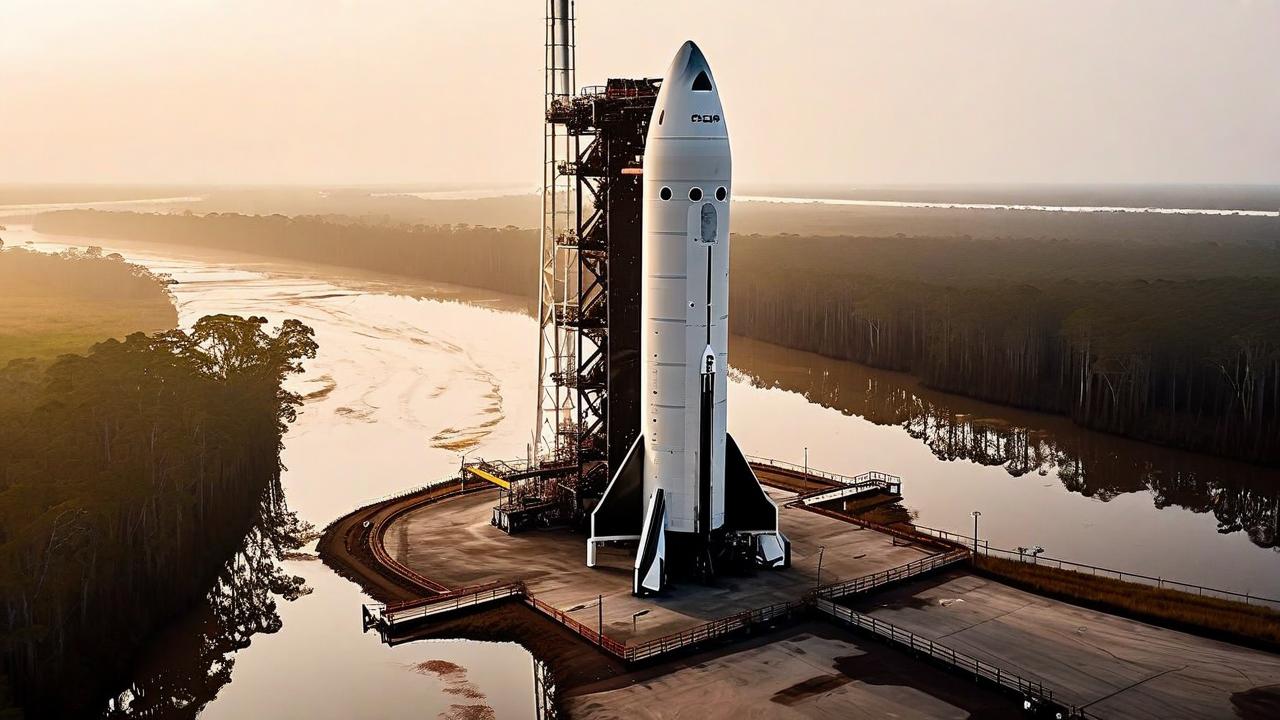
*this image is generated using AI for illustrative purposes only.
Elon Musk argued that NASA should repurpose its Space Launch System workforce to other parts of the economy. The comment follows renewed scrutiny over the multibillion-dollar cost of the agency's Moon rocket program.
Cost Scrutiny and Legacy Mandates
Musk posted on X on Tuesday, replying to criticism that the SLS program has been sustained primarily to preserve legacy aerospace jobs. He stated it would be better to move these workers elsewhere.
The Government Accountability Office noted in 2012 that the 2010 NASA Authorization Act directed the agency to leverage Space Shuttle and Constellation investments for SLS. The NASA Office of Inspector General later said this mandate led to the retention of Shuttle-era systems, infrastructure, and contracts.
Cost estimates highlight the scale of the expenditure. The NASA OIG estimated in 2021 that flying one SLS/Orion system through Artemis IV would average about $4.1 billion per launch. This figure covers the rocket, Orion spacecraft, European Service Module, and ground operations. Production of the SLS alone was estimated at about $2.2 billion per mission.
| Component | Estimated Cost | Source/Context |
|---|---|---|
| SLS/Orion System (Artemis IV) | $4.1 billion per launch | NASA OIG (2021) |
| SLS Production Only | $2.2 billion per mission | NASA OIG (2021) |
| Artemis IV Mobile Launcher | $2.7 billion | NASA OIG estimate |
The NASA OIG stated that the agency underestimated the complexity of adapting heritage engines and boosters. The GAO identified Boeing Co.’s core-stage contract as a cost-plus-award-fee arrangement.
Commercial Shift and Payload Comparison
Policy is shifting toward commercial systems. The Trump administration’s fiscal 2026 NASA budget proposal calls for an "orderly phase out" of SLS after Artemis III. The plan includes using commercial transportation services for later Artemis missions.
Discussions often contrast SLS with Space Exploration Technologies Corp.’s reusable Falcon Heavy. SpaceX states Falcon Heavy can carry 63.8 metric tons to low Earth orbit. NASA lists SLS Block 1 at 95 metric tons to low Earth orbit and more than 27 metric tons toward the Moon. The vehicles are not directly equivalent due to different mission profiles.
What the Numbers Show
The cost structure reveals a significant dependency on non-rocket elements. With total system costs estimated at $4.1 billion and SLS production at $2.2 billion, ground operations, the Orion spacecraft, and the European Service Module account for the remaining $1.9 billion per launch. This indicates that reducing SLS production costs alone would not eliminate the high per-mission expenditure.
Mission Timeline
NASA continues to press ahead with current plans. Artemis II carried astronauts around the Moon in April. The agency is assembling the Artemis III vehicle for a 2027 crewed demonstration mission in low Earth orbit. A planned Artemis IV lunar landing is scheduled for 2028.

How will the proposed phase-out of SLS after Artemis III impact the financial stability and workforce retention of legacy aerospace contractors like Boeing?
What specific regulatory or procurement hurdles must commercial providers overcome to reliably replace SLS for deep-space missions beyond low Earth orbit?
Could the shift to commercial lunar transportation accelerate the timeline for Artemis IV and subsequent missions, or introduce new supply chain risks?
 20
20











 Access 50+ Readymade Screeners
  Use 200+ Custom Filters
  Get Full Market Insights





