

Marico cuts operational emissions intensity 89.3% since FY13


- Operational emissions intensity dropped 89.3% from FY13 baseline
- Scope 3 emissions intensity fell 29.95% against FY19 baseline
- Renewable energy comprised 77.3% of total energy consumption in FY26
- Target set for 93% reduction in Scope 1 and 2 emissions by 2030

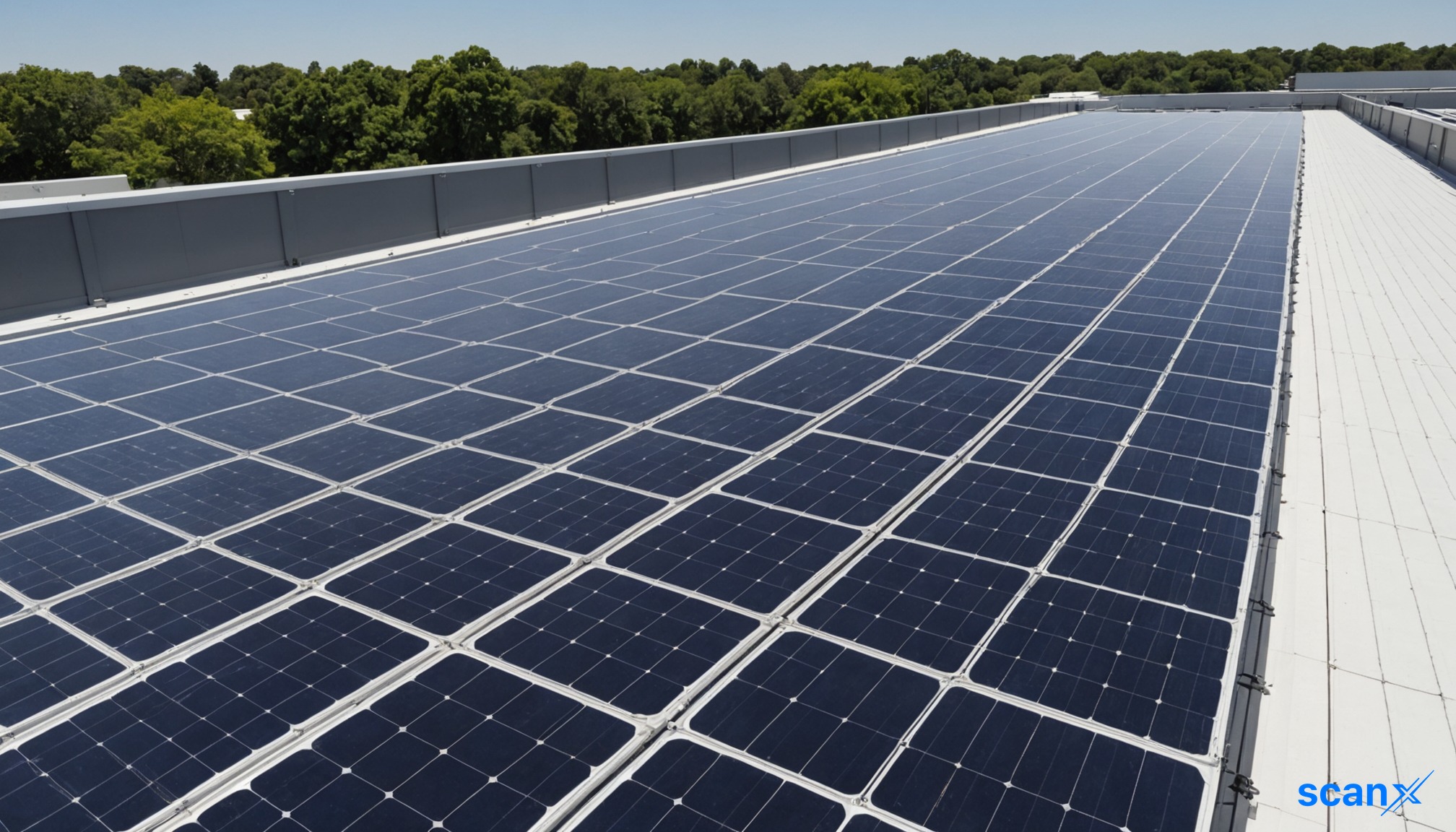

*this image is generated using AI for illustrative purposes only.
Marico Limited reported an 89.3% reduction in Scope 1 and Scope 2 greenhouse gas (GHG) emissions intensity compared to its FY13 baseline, marking significant progress in its climate action journey.
The FMCG major also disclosed a 29.95% reduction in Scope 3 GHG emissions intensity against its FY19 baseline. These figures were highlighted on the International Day of Climate Action, underscoring the company's commitment to building a low-carbon future through strategic decarbonisation measures.
Decarbonisation drivers and energy mix
The progress achieved to date has been driven by increased renewable energy adoption, energy-efficiency measures, process optimisation and the transition to lower-carbon energy sources across operations. In FY26, renewable energy accounted for 77.3% of Marico's operational energy consumption. The company's Scope 1 and Scope 2 emissions intensity stood at 0.84 tCO2e per crore of revenue for the same period.
| Metric | Value | Baseline Year |
|---|---|---|
| Scope 1 & 2 Emissions Intensity Reduction | 89.3% | FY13 |
| Scope 3 Emissions Intensity Reduction | 29.95% | FY19 |
| Renewable Energy Share (FY26) | 77.3% | N/A |
| Scope 1 & 2 Emissions Intensity (FY26) | 0.84 tCO2e/crore revenue | N/A |
Strategic roadmap and targets
Marico's climate strategy is guided by its ESG 2030 Roadmap, with an ambition to achieve Net Zero emissions across Indian operations (owned manufacturing units) by 2030 and across global operations by 2040. As part of this decarbonisation roadmap, the company is targeting a 93% reduction in Scope 1 and Scope 2 emissions by 2030, compared to its FY13 baseline. Residual emissions will be addressed through carbon sequestration initiatives and verified carbon offsets.
Amit Bhasin, Chief Legal Officer, Group General Counsel and Secretary, CSR Committee of Marico Limited, stated that climate action is integral to the business strategy and long-term growth agenda. He noted that building a future-ready organisation requires sustainability to be embedded across operations, supply chains and decision-making processes.
What the numbers show
A divergence exists between the rapid deceleration of direct operational emissions and the slower pace of value chain reductions. While direct emissions intensity (Scope 1 & 2) has fallen nearly nine-tenths from the FY13 baseline, indirect value chain emissions (Scope 3) have seen a more modest decline of roughly one-third from the FY19 baseline. This suggests that while internal operational efficiencies and renewable transitions are yielding immediate results, addressing upstream and downstream carbon footprints remains a longer-term structural challenge requiring deeper supply chain collaboration.
Historical Stock Returns for Marico
| 1 Day | 5 Days | 1 Month | 6 Months | 1 Year | 5 Years |
|---|---|---|---|---|---|
| -1.37% | -3.16% | -7.21% | +0.33% | +5.95% | +35.33% |

How will Marico plan to accelerate Scope 3 emission reductions given the significant gap compared to its direct operational progress?
What specific capital expenditure plans are in place to bridge the remaining renewable energy gap from 77.3% to the levels required for the 2030 Net Zero target?
How might the reliance on carbon offsets for residual emissions impact Marico's cost structure and ESG credibility as regulatory standards for offsets tighten?













 Access Market Heat-map & Insights
 Create, Save & Share your Screener
 Use 200+ Screening Filters





