

Jupiter Wagons sets Sept 29 AGM for energy expansion, QIP fund shift


- Jupiter Wagons holds AGM on September 29, 2026, to approve strategic shift into renewable energy sector
- Shareholders to vote on reallocating ₹43.64 crore idle QIP proceeds from unused foundry capacity enhancement
- Board reappoints Vivek Lohia and Vikash Lohia for five-year terms starting May 2027
- E-voting window opens September 26 and closes September 28, 2026

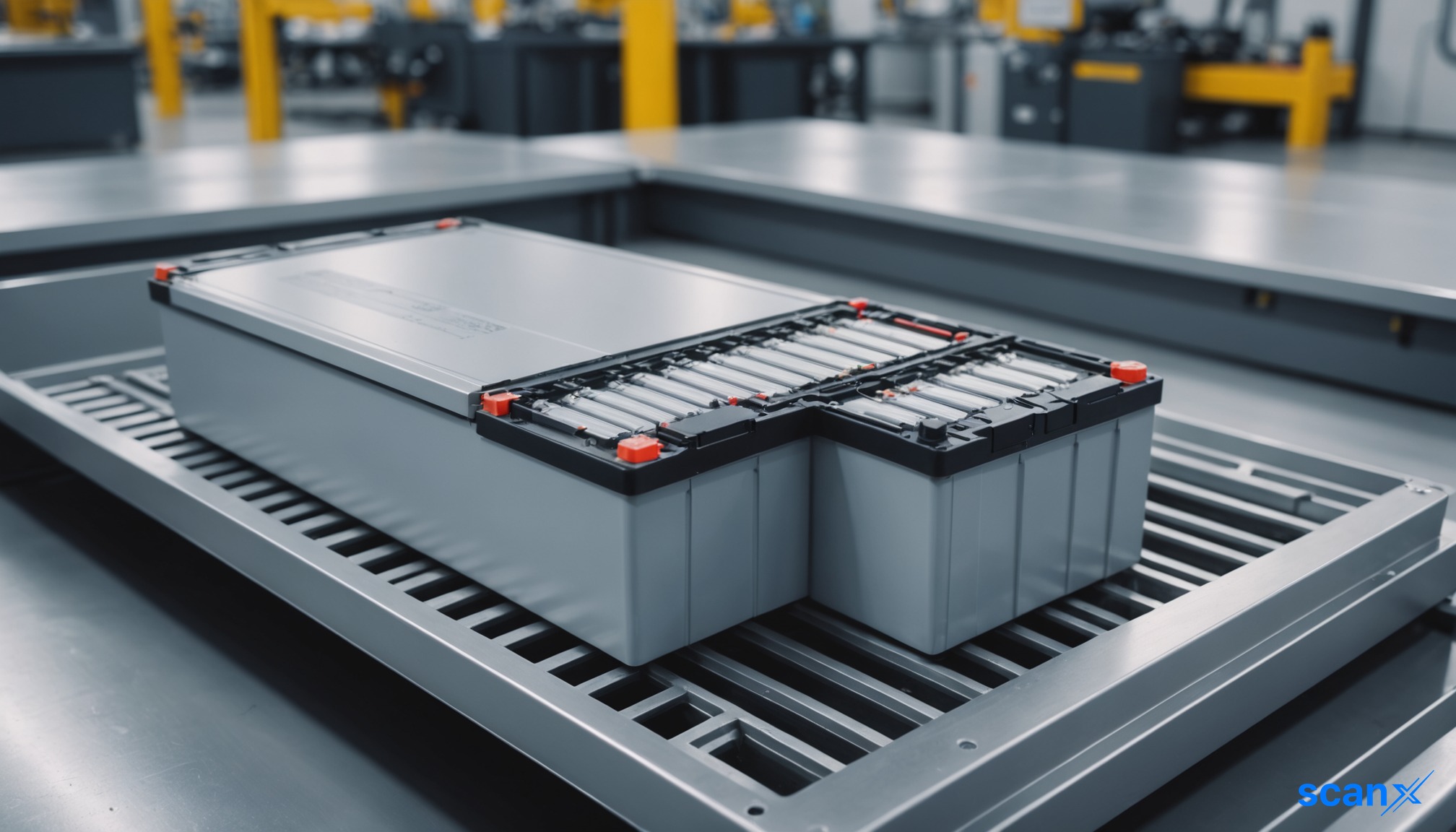

*this image is generated using AI for illustrative purposes only.
Jupiter Wagons Limited has scheduled its 46th Annual General Meeting (AGM) for Tuesday, September 29, 2026. The meeting will address key strategic shifts, including entry into the energy sector and the reallocation of idle capital.
The company dispatched letters to shareholders who have not registered email addresses, providing web links to access the FY26 Annual Report and AGM notice. The AGM will be conducted via video conference at 1:00 pm IST.
Board Appointments and Reappointments
Shareholders will vote on the reappointment of Mr. Vivek Lohia as Managing Director and Mr. Vikash Lohia as Deputy Managing Director for a five-year term starting May 30, 2027. Both directors are liable to retire by rotation.
The meeting also proposes the reappointment of Mrs. Madhuchhanda Chatterjee and Mr. Avinash Gupta as Independent Directors for a second five-year term. Additionally, Ms. Ranjini Roy and Ms. Siddhi Singhania are proposed for appointment as Independent Directors for their first five-year terms, effective July 9, 2026.
Mr. Mark Damian Stevenson, a Non-Executive Non-Independent Director, seeks approval for remuneration of up to ₹1 crore for FY27. The Board cited his strategic oversight and role in key project implementation as justification.
Strategic Expansion into Energy Sector
A major special resolution proposes altering the object clause of the Memorandum of Association (MOA). The amendment adds four new sub-clauses permitting the company to engage in:
- Generation of electrical power via renewable and conventional sources, including solar, wind, and green hydrogen.
- Establishment and operation of power plants, renewable energy parks, and transmission infrastructure.
- Manufacturing and trading of energy storage systems, including Battery Energy Storage Systems (BESS).
- Development of ancillary infrastructure for power generation and distribution projects.
This structural change aligns with the company’s diversification strategy beyond railway wagon manufacturing.
Utilization of Unutilized QIP Proceeds
The Board seeks approval to vary the utilization of funds raised through a Qualified Institutions Placement (QIP) in December 2023. Originally, ₹50 crore was earmarked to enhance the capacity of the alloy steel foundry at Bandel, West Bengal.
Only ₹6.36 crore was utilized for civil works and land development. The remaining ₹43.64 crore has been idle for over two years as the project was completed using internal accruals. The proposed resolution allows deploying this balance toward general corporate purposes and working capital requirements.
Voting Details and Timeline
E-voting will commence on September 26, 2026, at 9:00 am and conclude on September 28, 2026, at 5:00 pm. The result of e-voting will be declared on or before October 1, 2026.
| Event | Date | Time |
|---|---|---|
| Record Date | September 22, 2026 | - |
| E-voting Start | September 26, 2026 | 9:00 am |
| E-voting End | September 28, 2026 | 5:00 pm |
| AGM Date | September 29, 2026 | 1:00 pm |
| Result Declaration | On or before October 1, 2026 | - |
Other Business Items
The AGM will ratify the remuneration of M/s K Das & Associates as Cost Auditors for FY27 at ₹75,000 plus taxes. The company will adopt a new set of Articles of Association (AOA) to comply with the Companies Act, 2013.
Historical Stock Returns for Jupiter Wagons
| 1 Day | 5 Days | 1 Month | 6 Months | 1 Year | 5 Years |
|---|---|---|---|---|---|
| +1.78% | -4.99% | -11.05% | -24.72% | -36.44% | 0.0% |

How will Jupiter Wagons' entry into the renewable energy sector impact its current valuation multiples compared to traditional railway wagon manufacturers?
What specific regulatory or operational hurdles might delay the deployment of the ₹43.64 crore in idle QIP proceeds for general corporate purposes?
Could the significant remuneration package for Non-Executive Director Mark Damian Stevenson signal a shift in corporate governance priorities that might concern institutional investors?
 20
20







 Access Market Heat-map & Insights
  Create, Save & Share your Screener
  Use 200+ Screening Filters





