

Jupiter Wagons, Lucchini RS execute binding €28M railwheel JV pact


Jupiter Wagons Limited has finalized a strategic partnership with Lucchini RS and Simest through binding agreements for a €28 million investment in JTRWF. The investors will acquire a 25% stake plus one share by subscribing to 111.6 million equity shares at ₹26 each. This deal establishes India's first fully integrated private-sector railwheel manufacturing platform, combining Jupiter's domestic presence with Lucchini's technology.


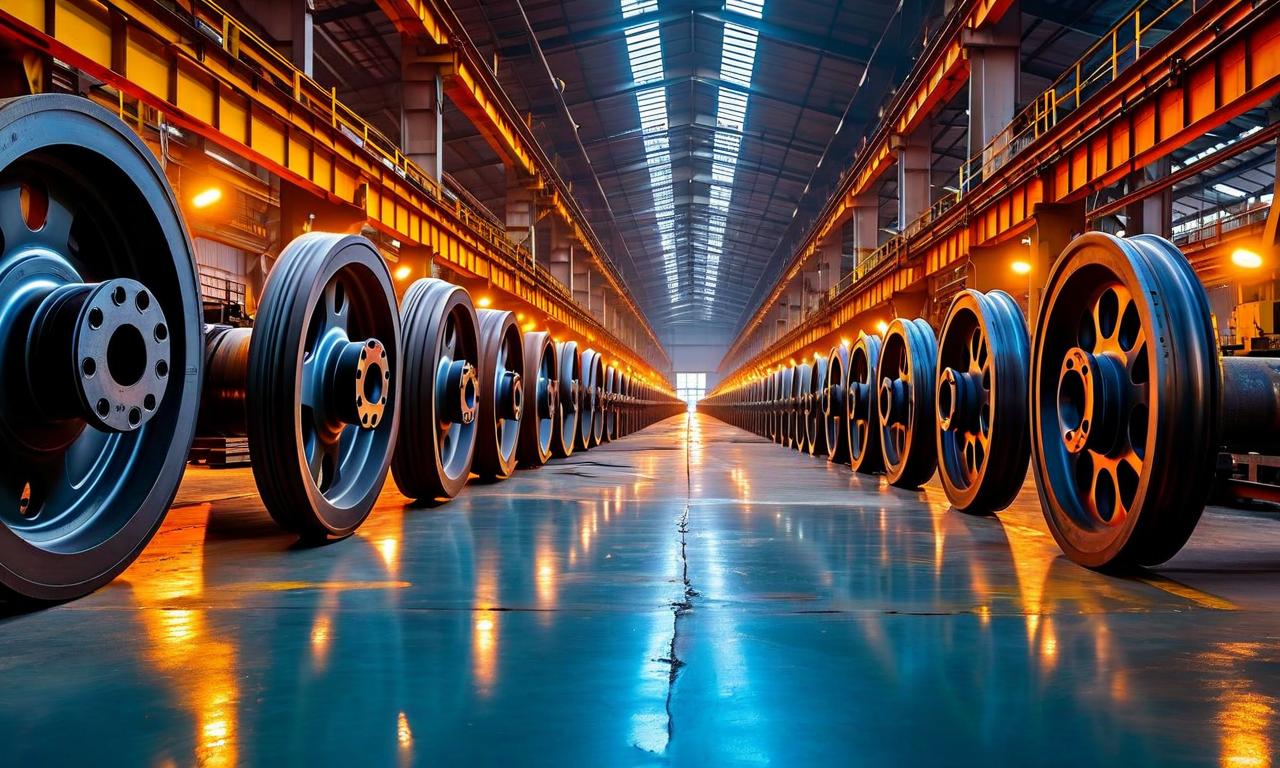
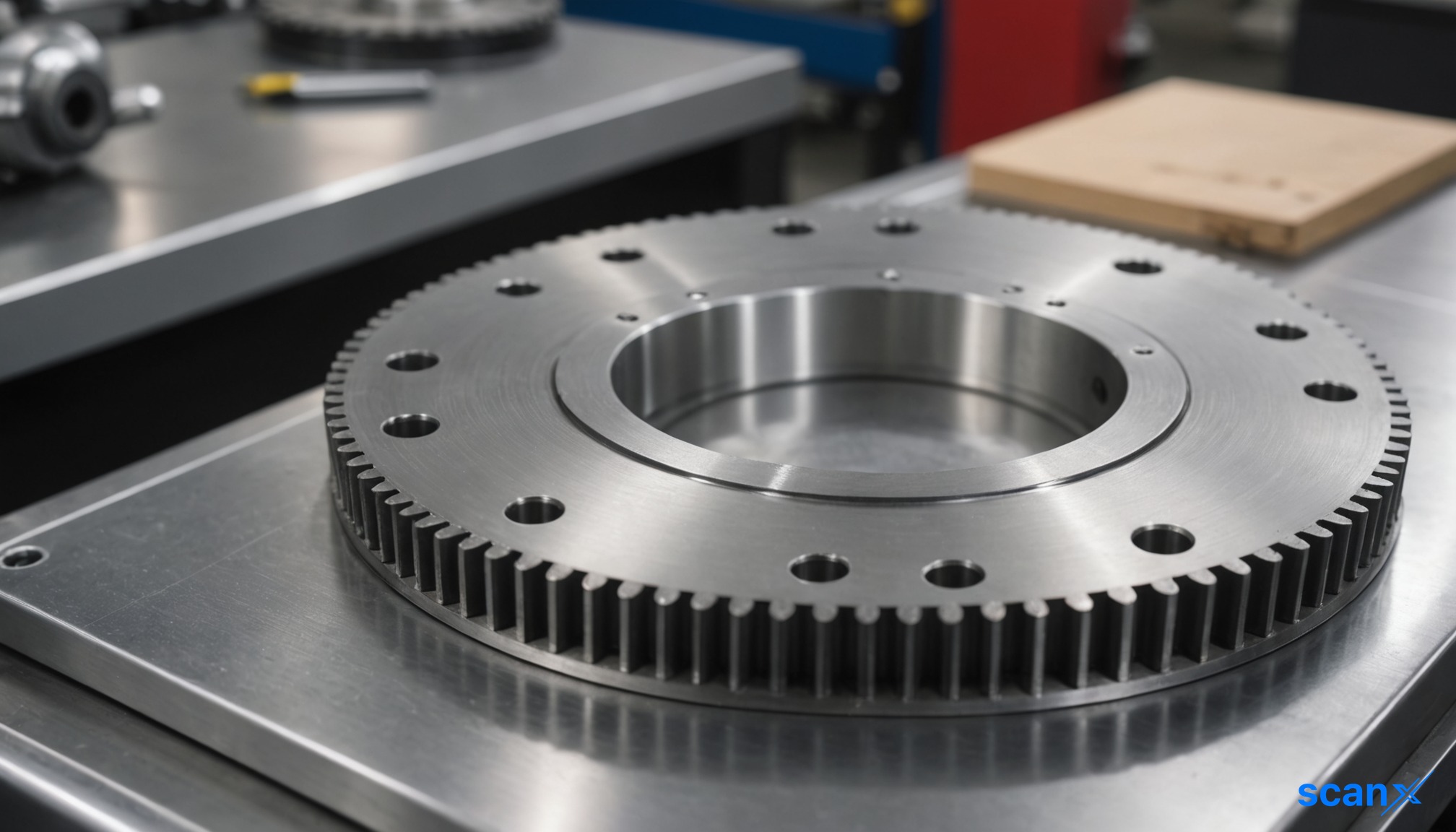
*this image is generated using AI for illustrative purposes only.
Jupiter Wagons Limited has formally executed binding agreements with Lucchini RS Holding S.p.A. and Simest S.p.A. to establish India’s first fully integrated private-sector railwheel manufacturing platform. The transaction involves a €28 million investment by the Italian partners for a 25% equity stake plus one share in Jupiter Tatravagonka Railwheel Factory Private Limited (JTRWF), finalizing the strategic partnership announced earlier this year.
The agreements, filed with stock exchanges on August 04, 2026, under Regulation 30 of the SEBI Listing Regulations, include a Share Subscription Agreement (SSA) and a Shareholders’ Agreement (SHA). Under the SSA, Lucchini RS and Simest will subscribe to 111,649,274 equity shares of JTRWF at an issue price of ₹26 per share, which includes a premium of ₹16 per share. This valuation implies a post-money valuation of approximately €112 million for JTRWF.
Investment Structure
The investment is structured such that Lucchini RS acquires a 15% stake, while Simest S.p.A., an Italian government financial institute, acquires a 10% stake. The remaining balance is held by Jupiter Wagons Limited. The deal is backed by the Government of Italy through the Sistema Italia framework, coordinated by the Italian Ministry of Foreign Affairs, with financial and advisory support from CDP.
| Investor | Stake in JTRWF | Role |
|---|---|---|
| Lucchini RS Holding S.p.A. | 15% | Technology & Engineering Partner |
| Simest S.p.A. | 10% | Equity Investor |
| Total | 25% + 1 share | €28 million consideration |
Operational Footprint
The partnership leverages JTRWF’s existing facility in Chhatrapati Sambhajanagar, which currently handles machining and wheelset assembly. This will be integrated with a new greenfield manufacturing complex in Odisha. The Odisha facility will house upstream capabilities, including forging, primary metallurgy, and wheel manufacturing, enabling end-to-end production. Jupiter Wagons serves as an anchor customer due to its significant in-house demand for wheelsets from its railway wagon business.
Governance and Terms
The SHA outlines the rights and obligations of the parties regarding the management of JTRWF, including non-compete provisions, transfer restrictions, and exit rights. Jupiter Wagons acts as the promoter of JTRWF; consequently, there is no impact on the board of directors or capital structure of the listed entity. The transaction is not classified as a related-party transaction.
What the Numbers Show
The fixed issue price of ₹26 per share for over 111 million shares translates to a total equity infusion of approximately ₹2.9 billion (€28 million) into JTRWF. This capital injection is critical for developing the greenfield capacity in Odisha, signaling a shift from assembly-only operations to full-value-chain manufacturing. The involvement of state-backed entities underscores the geopolitical significance of the deal, aligning with bilateral infrastructure cooperation between India and Italy.
Historical Stock Returns for Jupiter Wagons
| 1 Day | 5 Days | 1 Month | 6 Months | 1 Year | 5 Years |
|---|---|---|---|---|---|
| -0.94% | -4.26% | -11.55% | -21.36% | -36.35% | +510.83% |

How will the integration of upstream metallurgy capabilities in Odisha impact Jupiter Wagons' cost structure and competitive advantage against existing domestic railwheel suppliers?
What are the projected timelines for the greenfield facility in Odisha to reach full operational capacity, and how might delays affect the ROI for Italian investors?
Given the involvement of Simest and the Sistema Italia framework, how might this deal influence future bilateral infrastructure investments between India and Italy?
 17
17





 Create Custom Screeners
  Access 200+ Pre-built Filters
  Use 50+ Readymade Screener





