

Joby Aviation completes first autonomous flight across the United States


- Joby Aviation completed a 3,199-mile autonomous flight across the US with zero onboard control inputs
- The aircraft was supervised remotely from up to 2,323 miles away during taxi, takeoff, cruise, and landing phases
- The mission validates dual-use applications for commercial freight, emergency response, and defense logistics
- Joby’s autonomy stack is supported by over 400 flights and 800 automated flight hours since acquiring Xwing

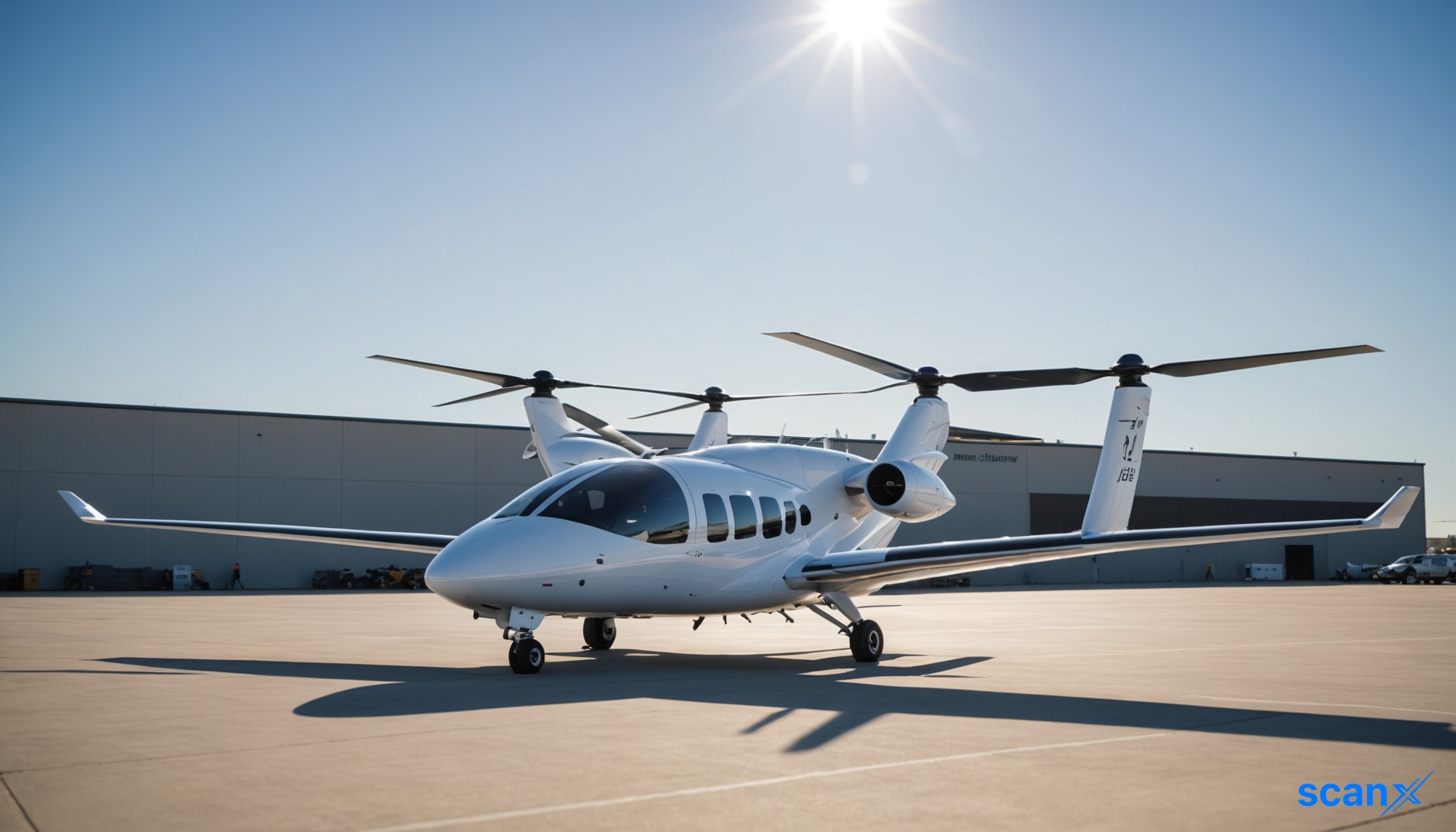

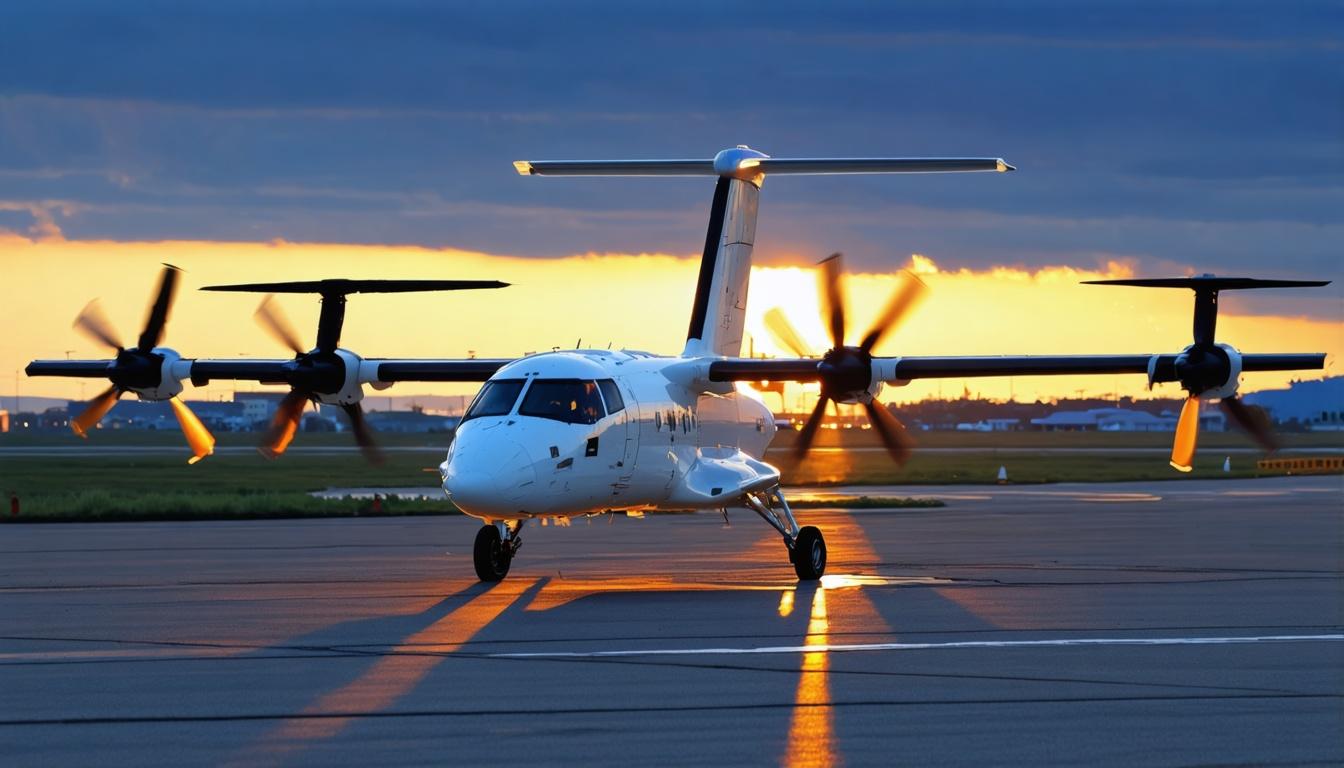
*this image is generated using AI for illustrative purposes only.
Joby Aviation (NYSE: JOBY) announced that a converted Cessna Caravan equipped with its autonomy technology has completed the first-ever autonomous flight across the United States. The aircraft flew 3,199 miles with zero control inputs from its onboard safety pilot.
The journey concluded its eastbound leg in North Carolina’s Outer Banks, near the site of the Wright brothers’ first powered flight. This historic low pass over Kitty Hawk honors the birthplace of modern aviation while demonstrating flexible access to remote communities.
Flight Operations Details
The aircraft performed autonomous taxiing, takeoffs, route navigation, and landings under remote supervision from Joby’s Autonomy Headquarters in California and Shaw Air Force Base in South Carolina, up to 2,323 miles away.
Key operational capabilities demonstrated during the transcontinental tour include:
- Seamless integration into high-density environments like Phoenix Deer Valley, one of the nation’s busiest general aviation airports.
- Real-time rerouting around severe weather and thunderstorms without prior airport familiarity.
- Support for NCDOT’s eLIFT-NC initiative for statewide healthcare logistics in North Carolina.
- Contribution to UDOT’s multi-state uFLY coalition to evaluate high-altitude airspace integration for the FAA.
Strategic Implications
Joby stated that this milestone demonstrates real-world operational maturity, safety, and dual-use utility. The company highlighted potential applications for:
- Commercial freight
- Emergency response and medical transport
- Defense logistics
The successful execution validates the technology’s capability for low-cost autonomous access to regional areas. By integrating an autonomous system onto an already-certified airframe, Joby offers a scalable path to autonomous air logistics.
Proven Operational Track Record
Joby’s autonomous technology is grounded in more than 400 flights and 800 automated flight hours in controlled and uncontrolled airspace. This builds on the mature autonomy stack acquired from Xwing in 2024.
The system has also been proven in three major U.S. military exercises:
- Agile Flag: Delivered critical replacement parts 24 hours faster than conventional logistics.
- REFORPAC: Aircraft in Hawaii were operated remotely from Guam, nearly 4,000 miles away.
What the Numbers Show
The disparity between the total flight distance (3,199 miles) and the maximum remote supervision range (2,323 miles) indicates that the autonomy system operated within a continuous remote oversight window for a substantial portion of the cross-country journey. This suggests the current architecture relies on robust long-range telemetry rather than fully disconnected autonomous navigation for this specific mission profile.

How will the FAA's certification timeline for Joby's autonomous systems impact the company's ability to scale commercial freight operations in 2025?
What specific regulatory hurdles remain for integrating autonomous aircraft into high-density general aviation airports like Phoenix Deer Valley?
Could the success of military exercises like Agile Flag accelerate Department of Defense contracts for autonomous logistics, and what revenue potential does this hold?
 18







 Create Custom Screeners
 Access 200+ Pre-built Filters
 Use 50+ Readymade Screener





