

Hindustan Zinc posts record 264 kt refined metal output in Q2FY27


- Record refined metal production of 264 kt in Q2FY27, up 7% YoY
- Silver output surged 20% YoY to 173 tonnes, reaching 5.6 million ounces
- Mined metal production rose 5% YoY to 271 kt, driven by higher ore extraction
- Wind power generation increased 17% YoY to 155 million units

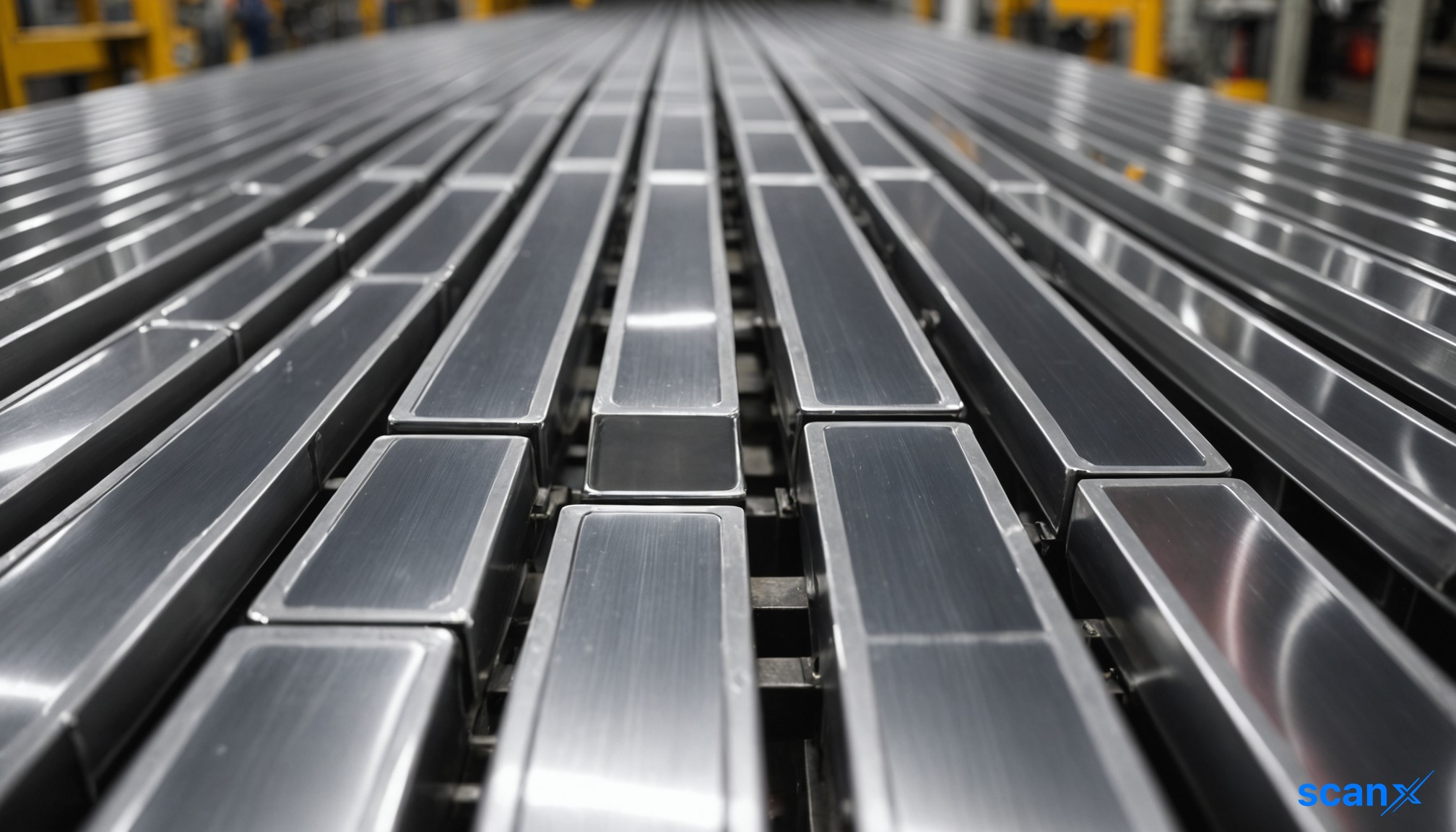

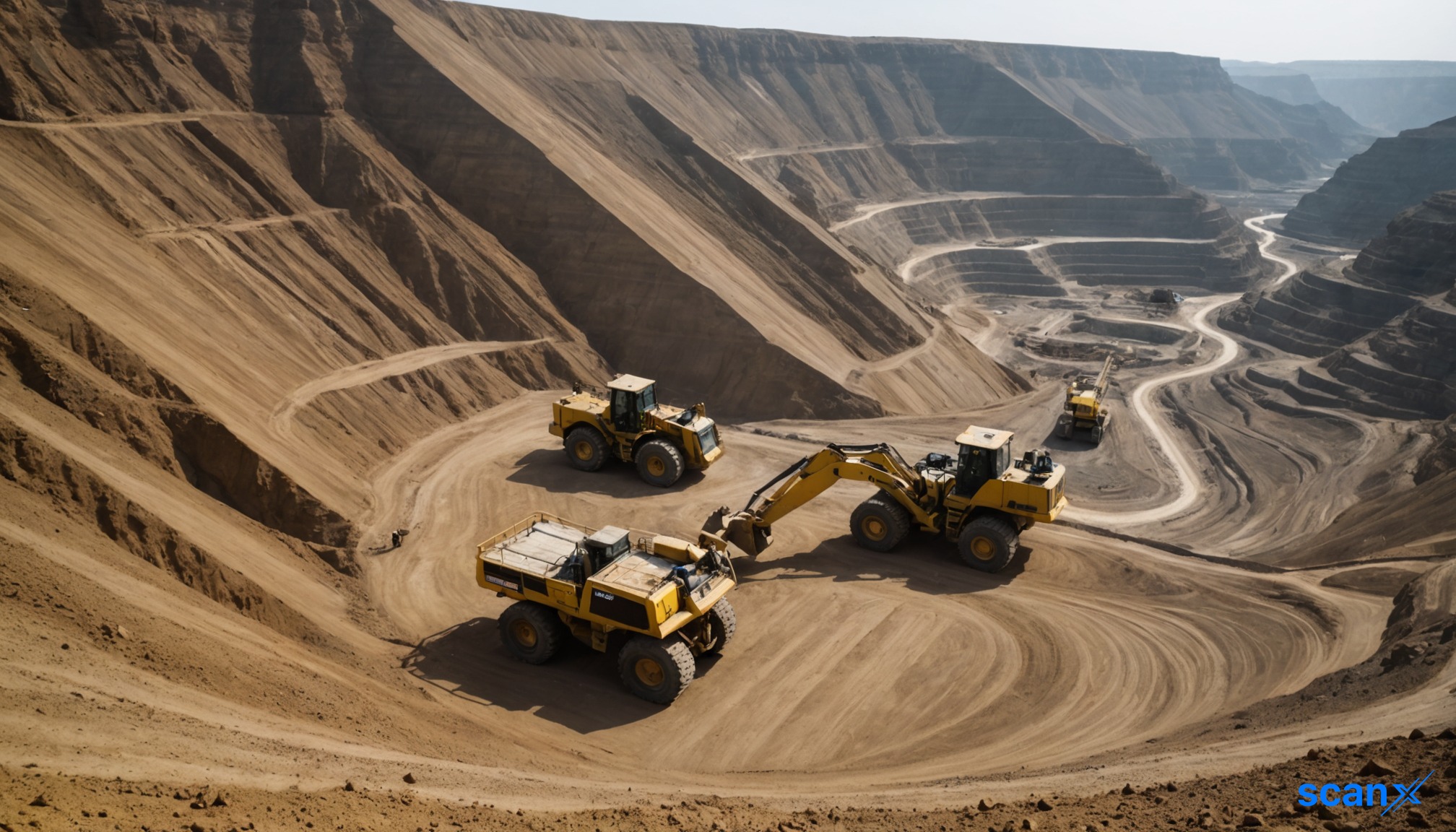
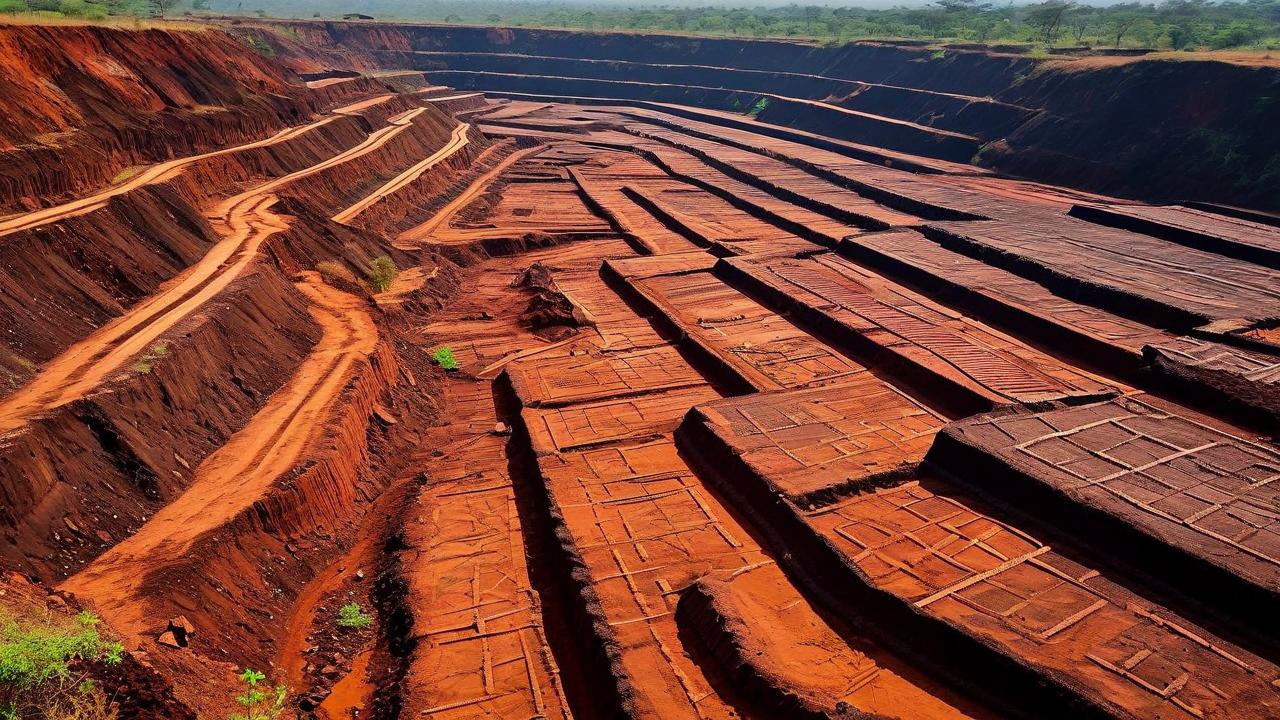
*this image is generated using AI for illustrative purposes only.
Hindustan Zinc Limited announced record refined metal production of 264 thousand tonnes for the second quarter ended September 30, 2026, reflecting a 7% year-on-year increase. The company also reported a significant 20% jump in silver production to 173 tonnes, underscoring robust operational efficiency across its mining and smelting operations.
The filing, submitted to stock exchanges on October 3, 2026, highlights that the growth in refined metal output was driven by additional capacity unlocked from debottlenecking projects at Chanderiya and Dariba, alongside the commissioning of a 160 ktpa roaster at Debari. These infrastructure enhancements, combined with consistent plant availability, enabled the company to surpass previous quarterly benchmarks despite market fluctuations.
Production metrics overview
The following table details the key production figures for the second quarter and first half of FY27 compared to the corresponding periods in FY26:
| Particulars | Q2FY27 | Q2FY26 | Change (%) | H1FY27 | H1FY26 | Change (%) |
|---|---|---|---|---|---|---|
| Mined Metal (kt) | 271 | 258 | +5% | 539 | 523 | +3% |
| Saleable Metal (kt) | 264 | 246 | +7% | 524 | 496 | +6% |
| Refined Zinc (kt) | 212 | 202 | +5% | 426 | 403 | +6% |
| Refined Lead (kt) | 51 | 45 | +14% | 99 | 93 | +6% |
| Silver (tonnes) | 173 | 144 | +20% | 321 | 293 | +10% |
| Wind Power (MU) | 155 | 132 | +17% | 288 | 266 | +8% |
Note: Refined Zinc figures include contributions from Hindustan Zinc Alloys, a wholly owned subsidiary.
Operational drivers and trends
The company’s mined metal production reached 271 kt in Q2FY27, up 5% YoY, primarily driven by higher ore extraction rates. This upstream strength translated into downstream gains, with saleable metal production rising 7% to 264 kt. The refined zinc segment specifically grew 5% to 212 kt, while refined lead saw a notable 14% increase to 51 kt, indicating improved processing efficiency in lead-specific units.
Silver production emerged as a standout performer, climbing 20% YoY to 173 tonnes (5.6 million ounces). This surge aligns with the company’s production plan and contributes significantly to revenue diversification. In the first half of FY27, silver output totaled 321 tonnes, representing a 10% year-on-year growth. Additionally, wind power generation increased 17% YoY to 155 million units in Q2, supported by favorable wind velocity and weather patterns, reinforcing the company’s sustainability credentials.
What the numbers show
A divergence in growth rates between base metals and precious metals highlights the portfolio's resilience. While refined zinc grew 5% and refined lead 14%, silver production expanded 20%. This suggests that silver recovery rates or associated ore grades may have outperformed zinc and lead volumes during the quarter. Furthermore, the 7% growth in saleable metal outpaced the 5% growth in mined metal, implying improved conversion efficiency or inventory utilization from prior periods, as the gap between extracted ore and final saleable product narrowed relative to volume increases.
Historical Stock Returns for Hindustan Zinc
| 1 Day | 5 Days | 1 Month | 6 Months | 1 Year | 5 Years |
|---|---|---|---|---|---|
| -1.93% | -6.78% | -10.76% | +10.53% | +15.05% | +78.13% |

How will the 20% surge in silver production impact Hindustan Zinc's revenue mix and margin resilience if global silver prices remain volatile?
What are the projected capacity utilization rates for the newly commissioned 160 ktpa roaster at Debari, and when will it reach full operational efficiency?
Given the 14% growth in refined lead versus only 5% in zinc, what specific market demand trends or pricing dynamics are driving this divergence?
 15
15






 Create Custom Screeners
  Access 200+ Pre-built Filters
  Use 50+ Readymade Screener





