

Balrampur Chini gets ₹75 crore BioE3 grant for PLA R&D facility


- Balrampur Chini Mills awarded ₹75 crore by DBT-BIRAC under BioE3 initiative
- Grant funds 100 TPA PLA Co-Polymer R&D facility in Kumbhi, Uttar Pradesh
- Facility supports development of next-generation bio-based materials
- Complements company's ongoing setup of 80,000 TPA commercial PLA plant

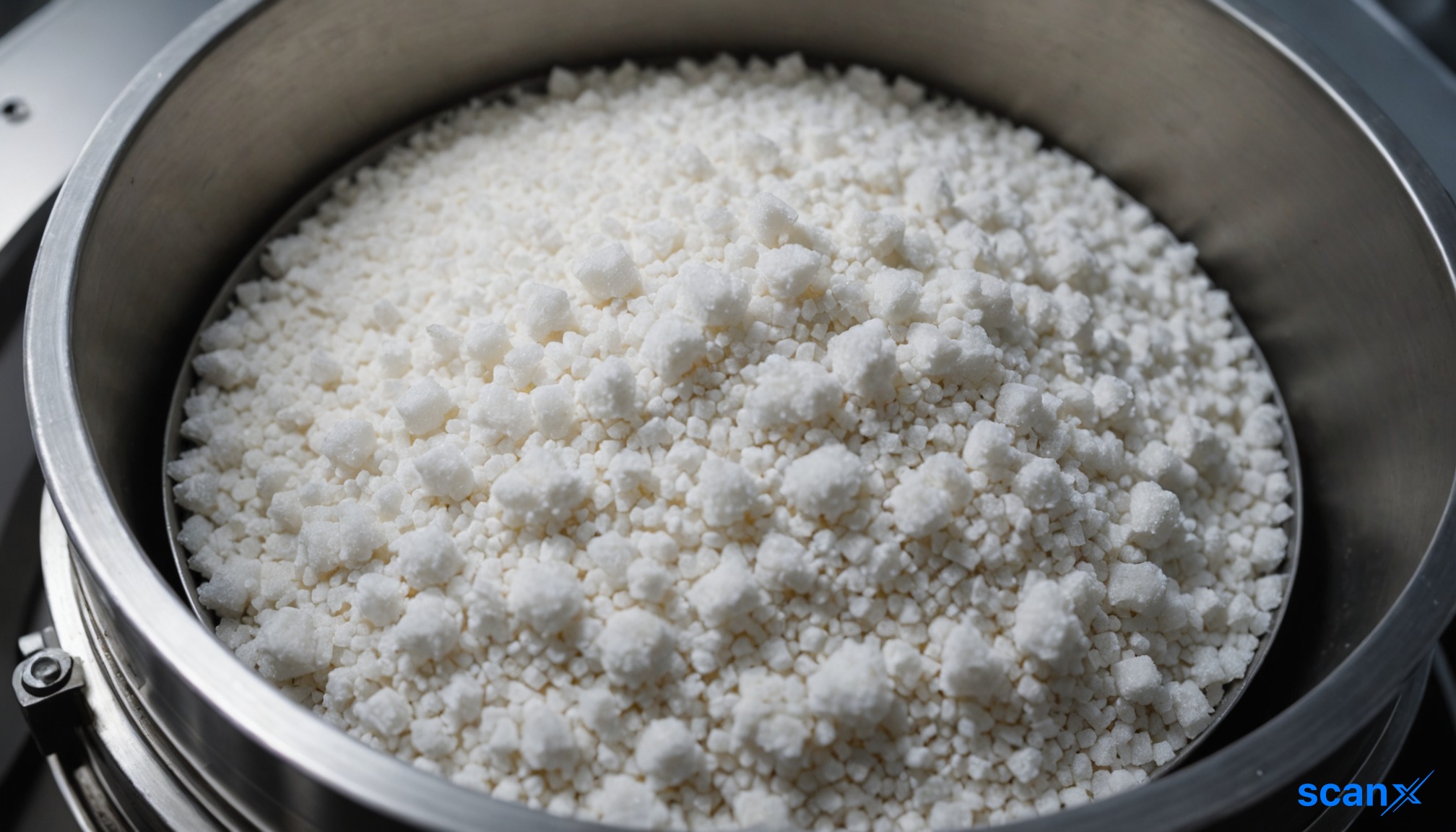

*this image is generated using AI for illustrative purposes only.
Balrampur Chini Mills has been awarded a ₹75 crore grant by the Government of India to establish India's first Poly Lactic Acid (PLA) Co-Polymer Research and Development facility.
The grant was sanctioned by the Biotechnology Industry Research Assistance Council (BIRAC) under the Department of Biotechnology (DBT) as part of the flagship BioE3 initiative. The funding aims to accelerate the development of advanced bio-based materials and strengthen indigenous biomanufacturing capabilities.
Grant details
The following table summarises the key details of the grant and the project scope:
| Parameter | Details |
|---|---|
| Recipient | Balrampur Chini Mills |
| Grant amount | ₹75 crore |
| Awarding body | BIRAC, under DBT, Govt of India |
| Initiative | BioE3 (Biotechnology for Economy, Environment & Employment) |
| Project | 100 TPA PLA Co-Polymer R&D Facility |
| Location | Kumbhi, Uttar Pradesh |
The pilot-scale R&D facility will be established at the company's integrated manufacturing complex in Kumbhi, Uttar Pradesh. This site is also where Balrampur Chini Mills is setting up India's first integrated commercial PLA manufacturing facility with an 80,000 TPA capacity.
Strategic objectives
The new facility is designed to bridge the gap between laboratory research and commercial manufacturing. It will serve as an innovation engine for developing next-generation PLA grades and co-polymers. Key objectives include:
- Developing specialised PLA grades for high-value applications.
- Generating techno-economic data and process know-how for commercial-scale manufacturing.
- Training skilled talent for India's emerging biomanufacturing sector.
- Enabling collaboration with industry and research institutions to accelerate innovation.
Avantika Saraogi, Executive Director at Balrampur Chini Mills, stated that the grant is a strong endorsement of the strategic role advanced biomanufacturing will play in India's future. She noted that the facility will help build indigenous technology and create scientific capabilities required for leading the global transition towards sustainable manufacturing.
What the Numbers Show
The ₹75 crore grant represents a targeted investment in the R&D phase rather than immediate production capacity. With the company simultaneously setting up an 80,000 TPA commercial PLA plant, this grant specifically funds a 100 TPA pilot-scale unit. This structure indicates a focus on technology indigenisation and product validation before full-scale commercial rollout, aiming to reduce dependency on imported biopolymer technologies.
Historical Stock Returns for Balrampur Chini Mills
| 1 Day | 5 Days | 1 Month | 6 Months | 1 Year | 5 Years |
|---|---|---|---|---|---|
| +1.70% | +2.75% | +5.00% | +52.68% | +56.70% | +92.01% |

How will the successful validation of PLA grades at the 100 TPA pilot facility influence the timeline and cost-efficiency of the upcoming 80,000 TPA commercial plant?
What specific regulatory or import-substitution policies might the Indian government introduce to support the commercial adoption of indigenous PLA once production scales up?
Which global competitors in the biopolymer sector are most likely to be impacted by Balrampur Chini Mills' entry into the PLA market, and how might they respond?
 16
16












 Access 50+ Readymade Screeners
  Use 200+ Custom Filters
  Get Full Market Insights





