Ford patent details TV storage in $28,350 Fathom EV front hood

scanx
Reviewed by
Riya DScanX News Team
Key Highlights
  • Ford filed a patent for a front tailgate design in the Fathom EV
  • The design includes a fold-down work surface and TV storage
  • Fathom is priced at $28,350 with a planned 2027 launch
  • Vehicle uses Ford's Universal EV Platform supporting Level 3 autonomy
powered bylight_fuzz_icon
51792111

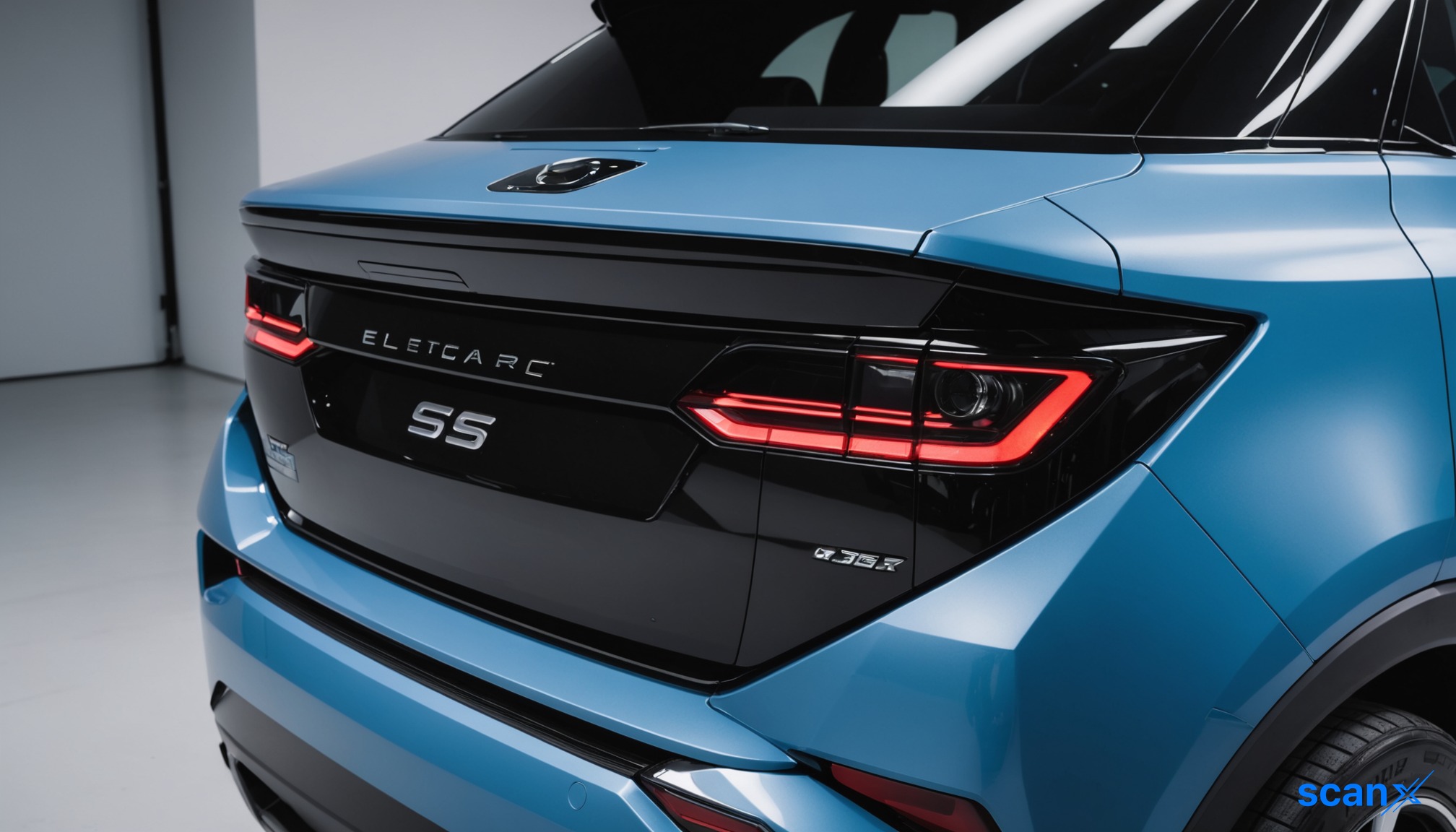
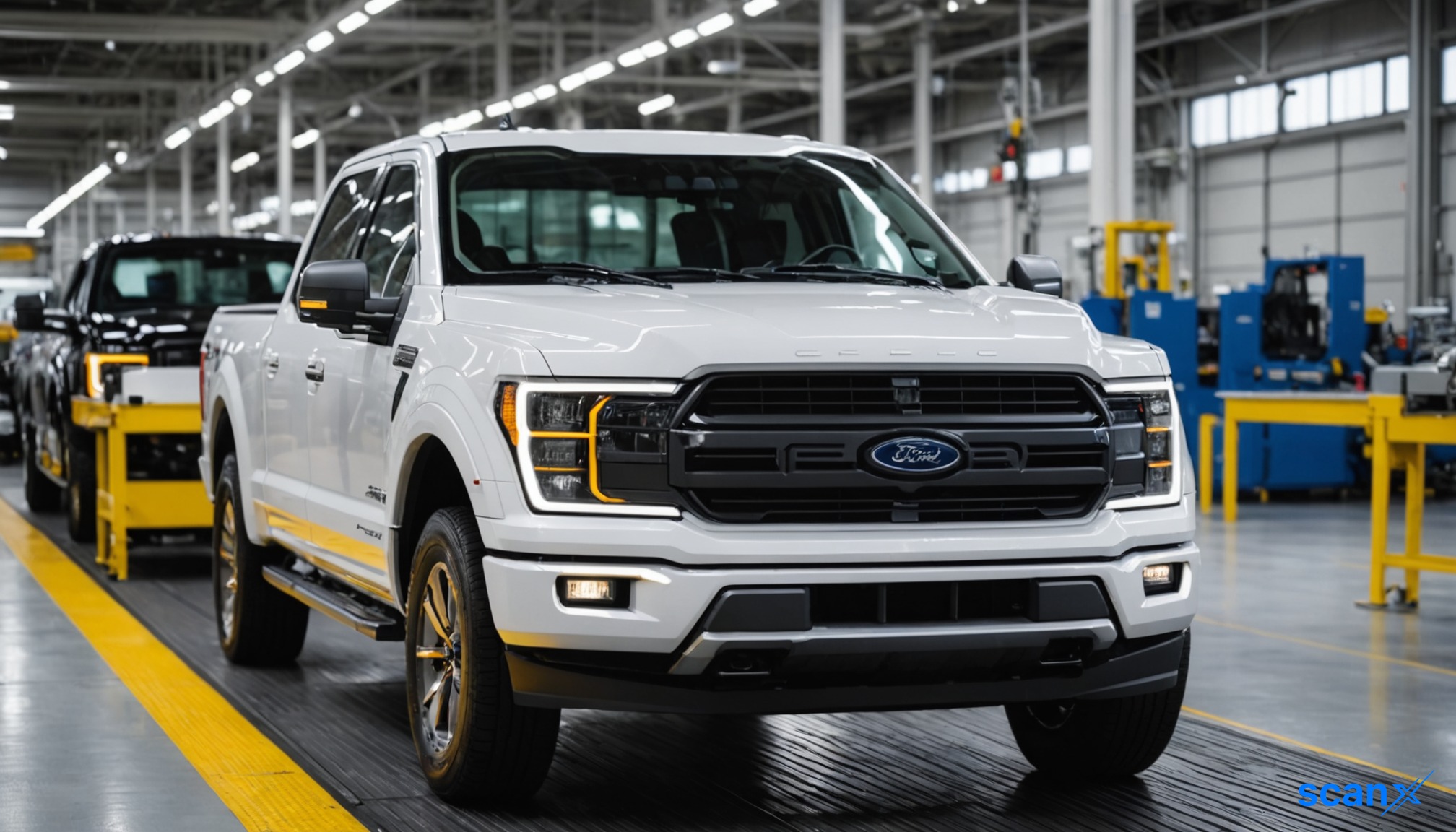
*this image is generated using AI for illustrative purposes only.

Ford Motor Co (NYSE: F) has filed a patent describing a front cargo area for its upcoming Fathom electric pickup truck that includes a fold-down work surface and space for a television. The design transforms the front hood into a multi-tiered utility platform, distinguishing it from conventional front trunks.

Patent specifics

The filing, titled "Vehicle cargo space access providing method" under U.S. patent number 12,741,514, outlines a front-end access panel that functions as a tailgate. Unlike standard frunks, this compartment opens to create a broad platform at the nose of the vehicle. The sketches depict a hinged section that folds outward to provide an additional flat surface, effectively creating a table-like area.

A key feature described is the ability to shut the main hood while the fold-down section remains deployed, resulting in two tiers of usable space. The patent also details storage for a television that can fold down when the compartment is closed, potentially powered by the truck's battery.

Production timeline and pricing

The Fathom is scheduled for a 2027 launch, with CEO Jim Farley reaffirming the date after the vehicle was spotted undergoing hot weather testing near Las Vegas, Nevada. Ford has set the manufacturer's suggested retail price at $28,350, positioning it as a direct competitor to Tesla's Cybertruck.

The vehicle will be built on Ford's Universal EV Platform, which Farley describes as crucial for offsetting China's influence in the global automotive market. This platform will also support Level 3 autonomous driving capabilities across other models in the lineup.

Feature Detail
Vehicle Model Fathom
MSRP $28,350
Launch Year 2027
Platform Universal EV Platform
Key Patent Feature Front tailgate with TV storage

Market context

Ford shares traded down 0.27% to $12.92 during premarket trading on Thursday. The patent filing highlights Ford's strategy to differentiate its affordable electric offerings through functional utility features, aiming to capture market share in the competitive electric pickup segment.

Disclaimer: This article is AI-generated using data from ViewTrade. ScanX is not liable for any inaccuracies.

How might the $28,350 MSRP impact Ford's profit margins given the added complexity of the multi-tiered utility platform?

What specific supply chain challenges could arise from integrating Level 3 autonomous capabilities into the Universal EV Platform by 2027?

How do Tesla and Rivian plan to respond to Ford's strategy of targeting the sub-$30k electric pickup segment with high-utility features?

like20
dislike

Ford Q2FY26 Results: Adjusted EBIT rises 17% to $2.5 billion

scanx
Reviewed by
Jubin VScanX News Team
Key Highlights
  • Revenue fell 4% YoY to $48.3 billion due to Novelis supply disruptions and vehicle sunsets
  • Adjusted EBIT rose 17% YoY to $2.5 billion, driven by strong pricing and mix
  • Full-year adjusted EBIT guidance raised by $1 billion midpoint to $10-$11 billion
  • Model e EBIT loss improved 31% to $919 million, marking third consecutive quarter of improvement
  • Company holds $22.3 billion in cash with total liquidity of $43.4 billion
powered bylight_fuzz_icon
51189928

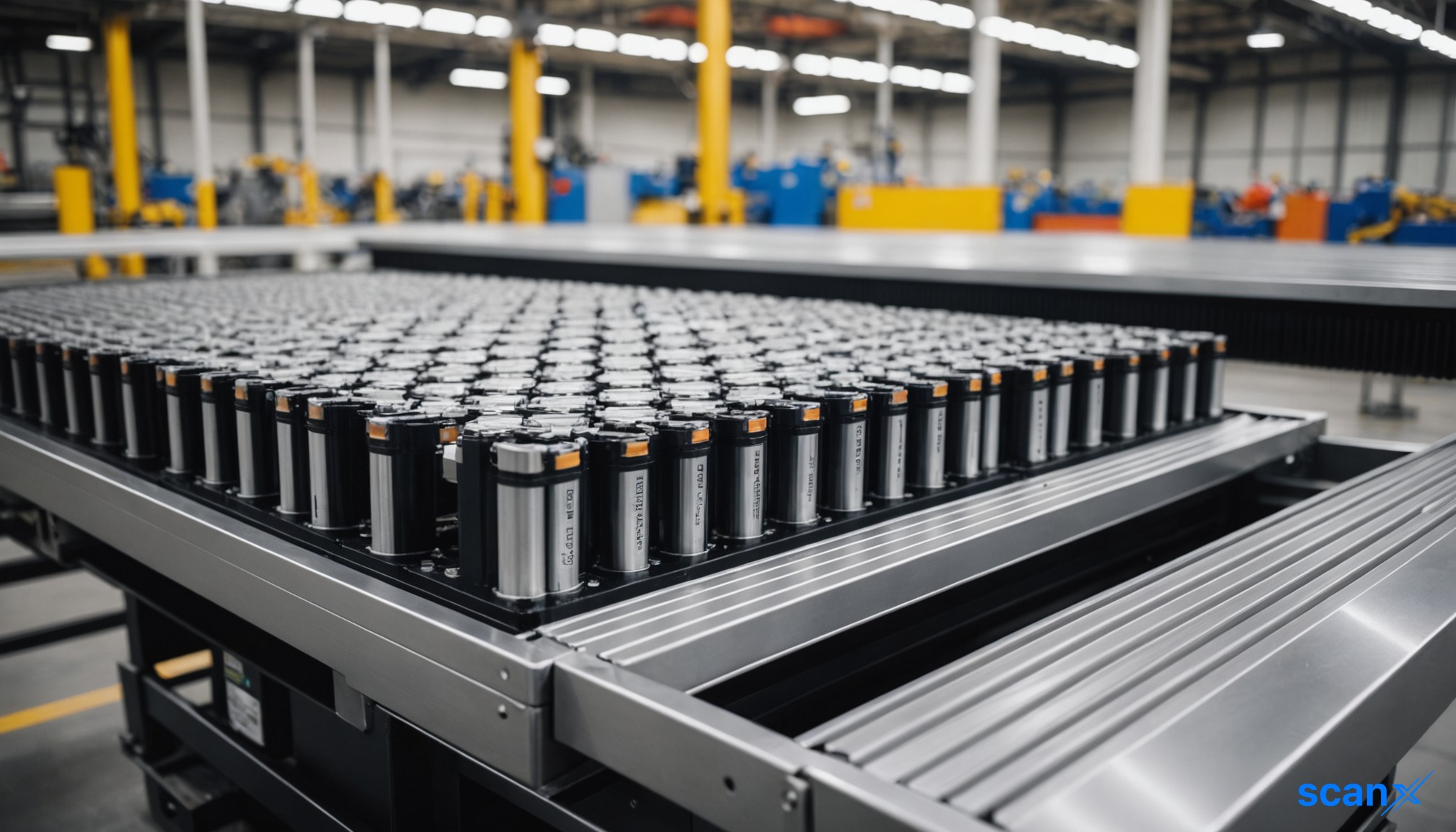
*this image is generated using AI for illustrative purposes only.

Ford Motor (NYSE: F) reported second-quarter 2026 revenue of $48.3 billion, down 4% year over year, while delivering $2.5 billion in adjusted EBIT, a 17% increase. The automaker raised its full-year adjusted EBIT guidance midpoint by $1 billion to $10 billion–$11 billion.

The results reflect strong pricing and product mix gains that offset volume declines driven by Novelis aluminum supply disruptions and vehicle sunsets. Ford ended the quarter with $22.3 billion in cash and total liquidity of $43.4 billion.

Financial Performance

Ford’s top-line contraction contrasts sharply with its bottom-line expansion. Revenue fell due to expected volume reductions from lower Novelis aluminum supply and the sunsetting of certain vehicles as the portfolio refreshes. However, EBIT strength was largely driven by favorable mix and net pricing.

Metric Q2 2026 Change
Revenue $48.3 billion Down 4% YoY
Adjusted EBIT $2.5 billion Up 17% YoY
Adjusted Free Cash Flow $2.1 billion —
Cash & Liquidity $43.4 billion —

The company recorded a $1.3 billion net loss in the quarter, primarily due to a one-time special item charge of $3.6 billion related to the May disposition of the BlueOval SK Battery joint venture. Approximately $500 million of this charge was cash.

Segment Highlights

Ford Blue delivered $1.1 billion in EBIT on $26.1 billion in revenue, representing a 72% increase in profitability despite an 8% decline in wholesales. F-Series remains the number one truck brand, outselling the closest competitor by more than 80,000 units in the first half of the year. Off-road vehicles now comprise 25% of U.S. sales.

Ford Pro generated $1.7 billion in EBIT on $17.8 billion in revenue. EBIT fell 26% primarily due to temporary Novelis disruption, though software and physical services showed growth. The segment expects a strong recovery in the second half due to Super Duty fleet orders.

Model e reported an EBIT loss of $919 million on $1 billion in revenue. This marks a 31% improvement in EBIT losses, driven by structural cost reductions and right-sized Gen1 volumes. This is the third consecutive quarter of year-over-year EBIT improvement for the electric vehicle unit.

What the Numbers Show

The divergence between falling revenue and rising EBIT highlights Ford’s strategic shift toward margin accretion over volume growth. While wholesales declined 8% in Ford Blue, EBIT surged 72%, indicating that higher-margin trims—such as off-road and V8 series—are compensating for lower unit sales. Additionally, Ford Energy is scaling rapidly, with plans to reach 20 GWh of annual capacity by late next year, positioning it as a leading energy storage manufacturer.

Guidance and Outlook

Ford raised its full-year adjusted EBIT guidance to $10 billion–$11 billion, narrowing the range and increasing the midpoint by $1 billion. Adjusted free cash flow guidance was increased to $6 billion–$7 billion, including the flow-through of higher EBIT and approximately $500 million of IRA reimbursement booked in Q1.

Capital expenditures remain unchanged at $9.5 billion–$10.5 billion. The company expects to deliver $1 billion in material and warranty cost reductions in 2026, enabling increased investments in the UEV platform and Ford Energy. Ford Credit expects earnings before taxes above $2.5 billion for the full year.

Disclaimer: This article is AI-generated using data from ViewTrade. ScanX is not liable for any inaccuracies.

How will the resolution of Novelis aluminum supply disruptions impact Ford Pro's EBIT recovery trajectory in the second half of 2026?

What specific cost-cutting measures is Model e implementing to achieve profitability, and will these affect the competitiveness of its Gen1 vehicle lineup?

How does Ford plan to allocate the increased free cash flow guidance between debt reduction, shareholder returns, and investments in the UEV platform?

like15
dislike

More News on Ford Motor