

Ford dismisses Trump admin's call to end China ties as wrongheaded


- Transportation Secretary Sean Duffy urges Ford to end ties with CATL, Geely, and BYD over security risks
- Ford calls the letter a "wrongheaded attempt to capture headlines" and denies proposing a joint-venture framework
- Duffy cites CATL's Pentagon list status and slow shift of Lincoln Nautilus production from China as key concerns
- Ford emphasizes its U.S. investment in battery manufacturing and ownership of the Marshall, Michigan plant
- Ford stock rose 0.21% to $14.03 in pre-market trading on Wednesday

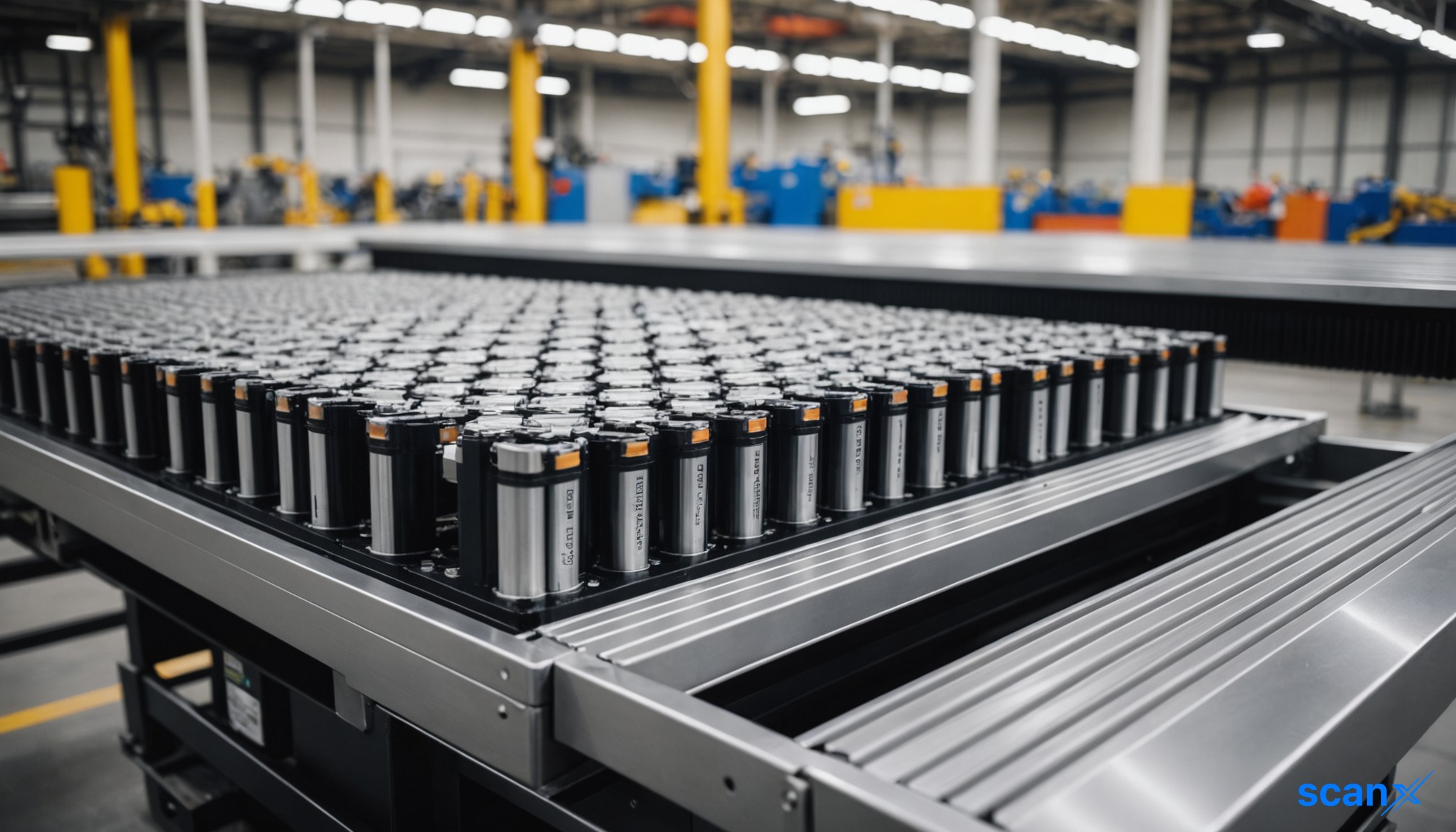

*this image is generated using AI for illustrative purposes only.
Ford Motor Co (NYSE: F) dismissed a letter from Transportation Secretary Sean Duffy urging it to wind down partnerships with Chinese firms as a "wrongheaded attempt to capture headlines."
Duffy wrote to CEO Jim Farley on Tuesday, expressing "profound concern" about Ford's arrangements with battery maker CATL, Geely Automobile Holdings Ltd, and BYD Co Ltd. The Secretary warned that these ties could create U.S. security risks.
Security Concerns Raised
The letter highlighted Ford's plan to use licensed CATL technology at its Marshall, Michigan battery project. Duffy noted CATL's placement on a Pentagon list tied to alleged links with China's military, stating the department was "deeply alarmed" by this dependence.
Additionally, Duffy faulted Ford's timeline for shifting Lincoln Nautilus production out of China. He argued the current schedule would keep the automaker tied to Chinese manufacturing for years, despite Commerce Secretary Howard Lutnick previously hailing the decision to move some Lincoln models to the U.S. by the end of the decade.
Ford's Rebuttal
Ford responded by asserting it owns the Marshall plant, controls the operation, and employs the workforce. The automaker stated, "While others continue to import Chinese batteries, Ford is investing to build batteries here in America."
Ford also claimed the letter contained factual errors, specifically denying it had proposed a joint-venture framework as described by Duffy. This reference likely alludes to reports from February where Farley discussed forming joint ventures to allow Chinese automakers entry into the U.S. market.
Market Reaction
Ford shares were up 0.21% at $14.03 during pre-market trading on Wednesday following the exchange.

How might the Transportation Department's scrutiny of Ford's CATL licensing deal influence other automakers' strategies for sourcing battery technology in the U.S.?
What are the potential financial and operational risks for Ford if the government imposes stricter regulations on Chinese-linked battery components in domestic plants?
Could this public dispute signal a broader shift in U.S. policy that targets licensed technology transfers rather than just direct foreign ownership in the auto sector?
 20
20









 Create Custom Screeners
  Access 200+ Pre-built Filters
  Use 50+ Readymade Screener





