

Faraday Future targets US robot factory by year-end, plans $5 billion investment


- Faraday Future targets US robot factory online by year-end with $5 billion decade-long investment plan
- Selects humanoid Next Futurist and quadruped Next Aegis for "Built in USA" program
- Launches version 1.0 of Industry Productivity Solution for K-12 education ecosystem on September 19
- RoboShare secures $33,000 rental order, expanding customer purchase from five to 23 units

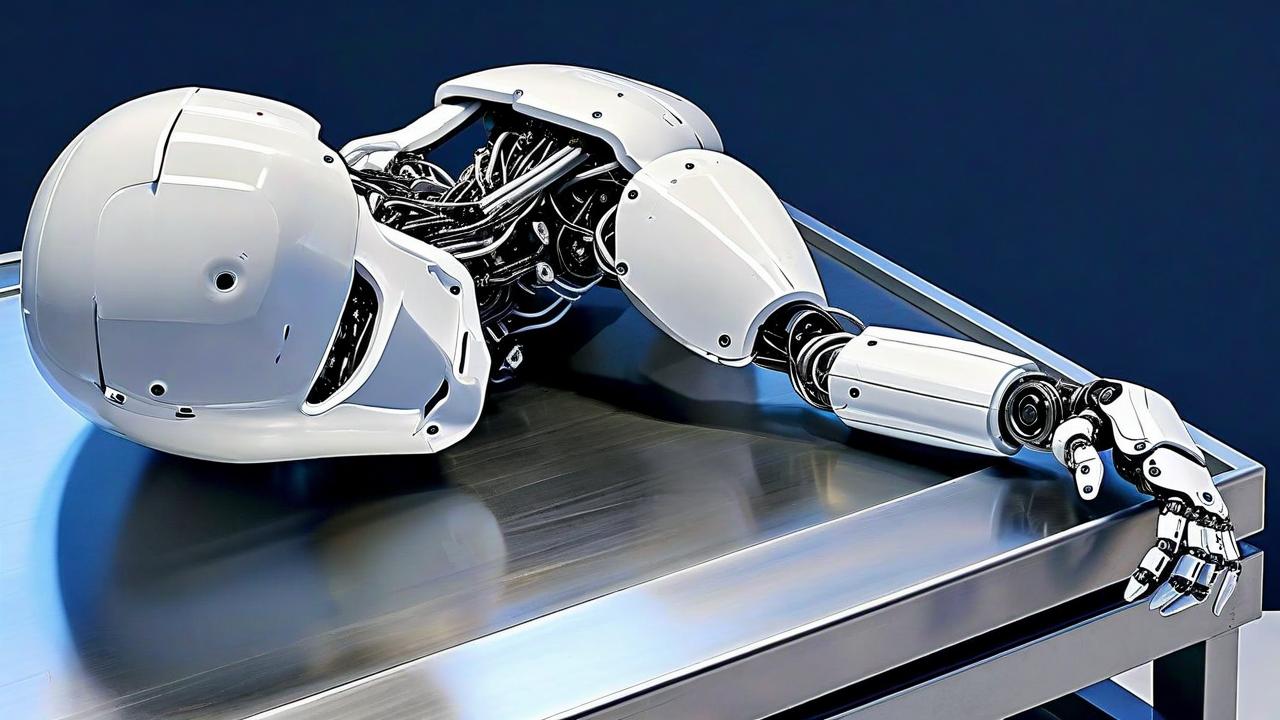

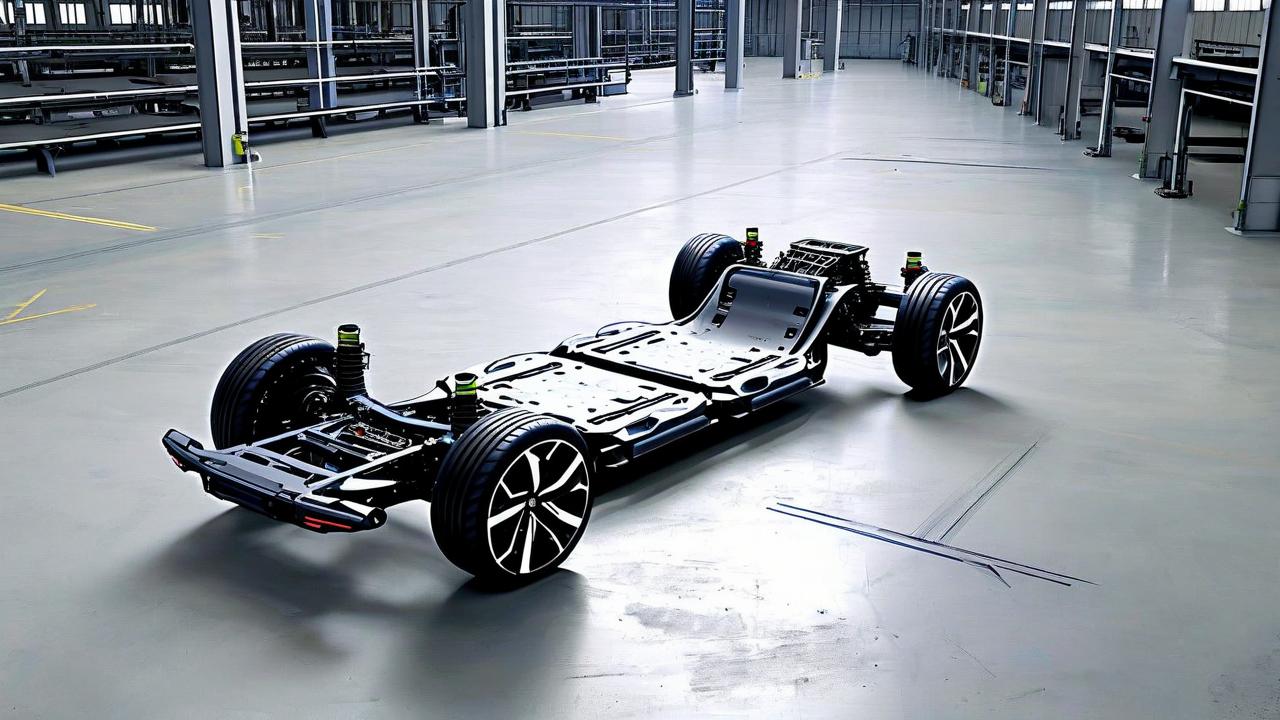
*this image is generated using AI for illustrative purposes only.
Faraday Future Intelligent Electric Inc. (NASDAQ: FFAI) unveiled a three-phase execution roadmap for its Embodied AI robotics business, targeting to bring its US robotics factory online by the end of this year.
The California-based company announced it plans to invest no less than $5 billion in the United States over the next ten years. This capital allocation aims to launch and manufacture three to five new robotics products annually while complying with Federal Communications Commission policies.
Three-Phase Execution Roadmap
The company structured its "Built in USA" acceleration program into distinct phases with specific operational milestones:
| Phase | Timeline | Key Milestones |
|---|---|---|
| Phase One | Completed July 2026 | Initial implementation of EAI Brain, Industry Productivity Solutions, and EAI Data Factory |
| Phase Two | August 2026 – Q1 2027 | Accelerate "Assembled in USA" implementation; factory online by year-end; first device off line in February 2027 |
| Phase Three | By Q4 2028 | Achieve "Made in USA" for EAI Devices and critical parts |
Phase One capabilities were completed by the end of July this year. The company began evaluating a retrofit of its Hanford factory and potential sites for new facilities during this initial stage.
New EAI Devices and Ecosystem
Faraday Future selected two new devices for the program: the full-size humanoid Next Futurist and the quadruped Next Aegis. Both products will share the company’s EAI Brain, Data Factory, Developer Platform, and Skills system.
The company also launched version 1.0 of its Industry Productivity Solution for the EAI Education Ecosystem on September 19. This solution targets K-12 schools and family education sectors. Faraday Future has established partnerships with two public school districts in California, covering approximately 22 K-12 schools.
Partnership and Revenue Model
The company initiated nationwide recruitment for four types of partners: distributors, industry solution partners, AI partners, and data and Skills partners. Faraday Future introduced the FF PAR Revenue Flywheel, allowing partners to earn recurring income alongside one-time sales margins.
RoboShare, a robot-sharing platform owned by majority-stakeholder Faraday Future, secured a one-year rental order valued at $33,000. This demand led an education customer to expand its original plan to purchase five NAVI robots into a firm order for 23 FFAI robots, generating 18 additional unit sales.
What the Numbers Show
Faraday Future reported shipments exceeding 400 units to date, maintaining a positive contribution margin throughout the first half of the year. The Data Factory completed its first commercial closed loop, and the Developer Platform is live. These operational metrics suggest the company is transitioning from pure R&D expenditure toward early-stage commercial validation, with the RoboShare platform demonstrating a mechanism to convert hardware sales into recurring asset utilization revenue.

How will Faraday Future's $5 billion capital allocation strategy impact its cash burn rate and potential need for additional equity financing in the near term?
What specific regulatory hurdles might the 'Made in USA' milestone for critical parts face regarding supply chain localization and FCC compliance by Q4 2028?
Can the FF PAR Revenue Flywheel model sustainably scale partner recurring income as the company transitions from early-stage commercial validation to mass production?
 15
15







 Access Market Heat-map & Insights
  Create, Save & Share your Screener
  Use 200+ Screening Filters





