

Faraday Future highlights EAI robotics strategy at J.P. Morgan conference


- Faraday Future presented its EAI robotics strategy at the 2026 J.P. Morgan Auto Conference
- Investors showed strong interest in FF Robotics' positive unit economics and shipment growth
- Jerry Wang aims to rank among top three North American robotics firms by deployment volume
- The company highlighted its multi-application product portfolio for commercial use

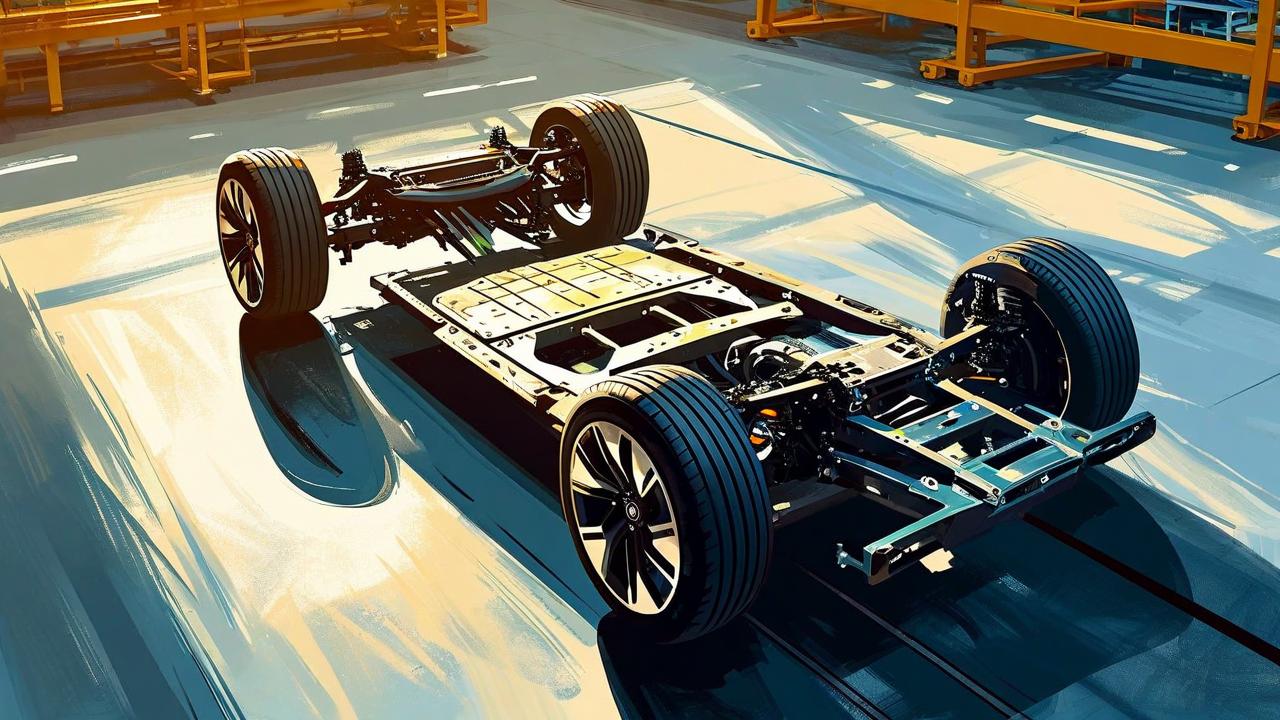

*this image is generated using AI for illustrative purposes only.
Faraday Future Intelligent Electric Inc. (NASDAQ: FFAI) presented its Embodied AI (EAI) robotics strategy at the 2026 J.P. Morgan Auto Conference in New York. The company reported strong investor interest in its unit economics and shipment growth.
Jerry Wang, Global Executive Chairman, delivered the presentation and led a Q&A session during the invitation-only event held from August 12 to 13, 2026. The conference attracted more than 500 equity and credit investors.
Investor Focus on Unit Economics
Investor engagement centered on FF Robotics, with discussions reflecting growing confidence in the company’s execution. Attendees were particularly encouraged by the positive unit economics and the pace of shipment growth.
Questions also addressed the breadth of the product portfolio and its ability to serve multiple commercial applications across different robot forms. Wang noted that these metrics align with how the business is managed.
Strategic Goals
Wang stated the goal is to become one of the top three robotics companies in North America within five years by real-world deployment volume in EAI humanoid and bionic robots. The company also aims to lead the North American EAI MPV market with EAI automotive robots.
What the Numbers Show
The source provides qualitative feedback on investor sentiment rather than quantitative financial data. The emphasis on "positive unit economics" suggests a shift toward profitability drivers, though specific margin or revenue figures were not disclosed in this release.

What specific manufacturing partnerships or supply chain adjustments will Faraday Future need to secure to scale EAI robot production to top-three North American volumes by 2031?
How does the company plan to differentiate its Embodied AI software stack from competitors like Tesla or Boston Dynamics to justify premium pricing in the commercial robotics sector?
Which specific commercial verticals (e.g., logistics, healthcare, automotive assembly) will FF Robotics prioritize for initial large-scale deployments to validate its unit economics?
 16
16







 Create Custom Screeners
  Access 200+ Pre-built Filters
  Use 50+ Readymade Screener





