

Eris Lifesciences files FY26 sustainability report with exchanges


- Eris Lifesciences filed its FY26 BRSR report on September 2, 2026
- Renewable energy consumption rose to 2,985.92 GJ from 804.25 GJ
- Total workforce reduced to 3,012 employees with 28% turnover rate
- Sales to related parties jumped to 77.79% following distributor consolidation
- Company achieved zero liquid discharge at its Guwahati plant

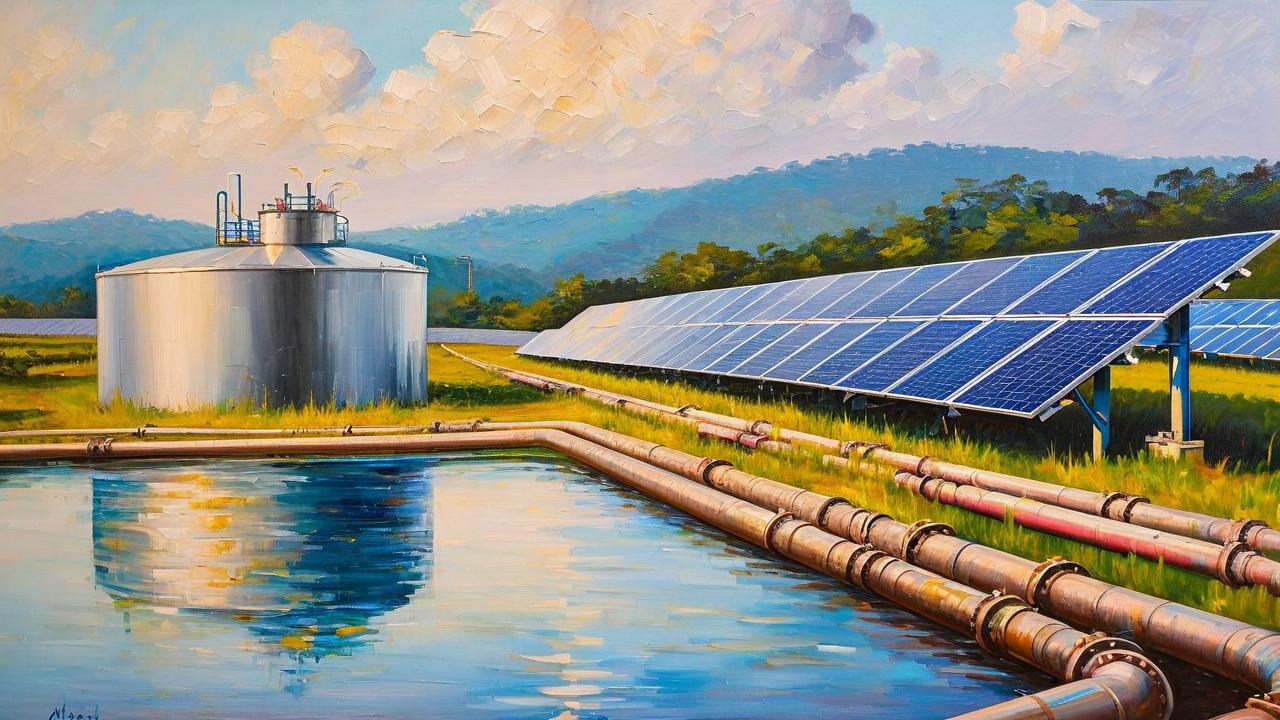

*this image is generated using AI for illustrative purposes only.
Eris Lifesciences filed its Business Responsibility and Sustainability Report (BRSR) for FY26 with stock exchanges on September 2, 2026. The disclosure, mandated under SEBI Listing Regulations, outlines the company’s environmental performance, social initiatives, and governance frameworks for the financial year ended March 31, 2026.
The report provides a comprehensive view of the company’s standalone operations, which are concentrated entirely in the domestic branded formulations segment. Eris Lifesciences reported no export-related activities during the period, focusing its distribution network across 28 Indian states through wholesale distributors, retail pharmacies, and e-commerce channels.
Environmental Performance
The company highlighted several environmental initiatives aimed at reducing its carbon footprint and improving resource efficiency. Key actions included transitioning from low-viscosity furnace oil to biomass pellets for boiler operations at its Guwahati manufacturing plant. This shift contributed to an increase in renewable energy consumption, which rose to 2,985.92 GJ in FY26 from 804.25 GJ in FY25.
Total energy consumption increased to 15,920.41 GJ from 13,767.97 GJ in the prior year. However, water withdrawal decreased to 17,766.45 kilolitres from 19,124.98 kilolitres, supported by rainwater harvesting and recycling practices. The company achieved zero liquid discharge at its manufacturing facility, reusing treated effluent for cooling towers and green belt maintenance.
Workforce and Social Metrics
Eris Lifesciences employed a total of 3,012 individuals as of March 31, 2026, comprising 2,704 permanent employees and 308 non-permanent employees. The workforce was predominantly male, accounting for 96.12% of total employees. Female representation stood at 3.88%, with one woman serving on the eight-member Board of Directors.
The company reported a permanent employee turnover rate of 28% in FY26, down from 35% in FY25. It maintained 100% coverage for health and accident insurance across all permanent employees and workers. No fatalities or high-consequence work-related injuries were recorded during the year.
Governance and Compliance
The Board-level Risk Management Committee oversees ESG-related risks, while the Executive Committee provides strategic direction for sustainability integration. The company disclosed a fine of ₹5,01,500 each from NSE and BSE for non-compliance with Regulation 17(1) regarding board composition, against which it has filed an appeal. No other regulatory penalties or bribery-related disciplinary actions were reported.
| Metric | FY26 | FY25 |
|---|---|---|
| Total Energy Consumption (GJ) | 15,920.41 | 13,767.97 |
| Renewable Energy Share (GJ) | 2,985.92 | 804.25 |
| Water Withdrawal (KL) | 17,766.45 | 19,124.98 |
| Total Employees | 3,012 | 3,469 |
| Employee Turnover Rate | 28% | 35% |
What the Numbers Show
A notable divergence exists between the company’s operational footprint and its related-party transaction volume. While Eris Lifesciences operates solely in the domestic market with no exports, sales to related parties surged to 77.79% of total sales in FY26, up significantly from 3.84% in FY25. This shift coincides with the appointment of a wholly-owned subsidiary, Eris Healthcare Private Limited, as the sole super distributor for the entire group, consolidating sales channels into a single entity.
Historical Stock Returns for Eris Lifesciences
| 1 Day | 5 Days | 1 Month | 6 Months | 1 Year | 5 Years |
|---|---|---|---|---|---|
| -0.24% | +0.09% | -15.40% | -17.50% | -28.30% | +40.13% |

How might the regulatory fines and ongoing appeal regarding board composition non-compliance impact Eris Lifesciences' corporate governance ratings or investor confidence?
What are the strategic implications of consolidating 77.79% of sales through a single related-party subsidiary, particularly regarding pricing transparency and supply chain resilience?
Given the significant increase in renewable energy usage at the Guwahati plant, will Eris Lifesciences expand biomass integration to other facilities to further reduce its carbon footprint?
 15
15











 Access Market Heat-map & Insights
  Create, Save & Share your Screener
  Use 200+ Screening Filters





