

Elon Musk claims Starlink is now often more reliable than cable


- Elon Musk claims Starlink is now often more reliable than cable broadband
- Recon Analytics survey of 153,000+ users shows fewer Starlink outages vs cable/DSL
- Fiber remains superior with fewer outages than Starlink according to independent data
- SpaceX reports 26ms median latency and >200 Mbps peak download speeds in 2025
- Network includes 10.3 million subscribers and >9,600 satellites as of March 2026

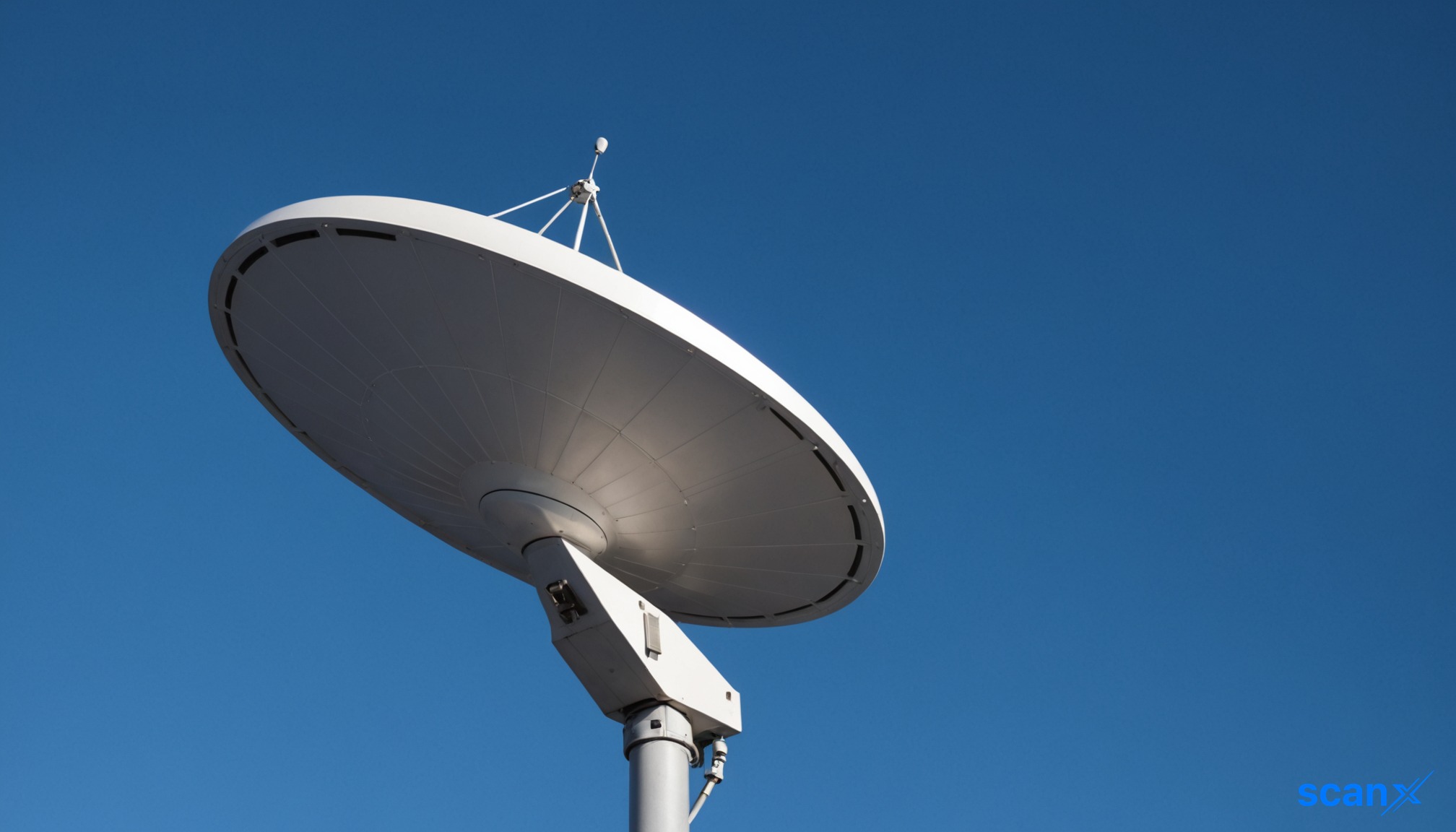

*this image is generated using AI for illustrative purposes only.
Space Exploration Technologies Corp. (NASDAQ: SPCX) CEO Elon Musk stated that its Starlink satellite network is "now often more reliable than cable." The claim suggests the service is transitioning from a rural alternative to a broader broadband competitor.
Musk made the assertion on X on Friday, arguing that Starlink delivers a more dependable connection than cable in many cases. This distinction matters because reliability, rather than raw speed, could determine whether Starlink competes effectively against established terrestrial providers.
Independent Data Supports Claim
Independent evidence supports the broader point regarding outage frequency. A Recon Analytics survey of more than 153,000 broadband users found that Starlink customers reported fewer service outages than cable and DSL customers. However, fiber customers experienced fewer outages than Starlink users. Most Starlink respondents lived in rural areas where terrestrial broadband options are weaker.
Musk did not claim Starlink beats every cable or fiber network. His use of "often" acknowledges differences between markets and infrastructure. Fiber remains more consistent in many locations according to independent comparisons.
Network Performance Metrics
Starlink’s network performance has improved significantly. SpaceX reported median global latency of about 26 milliseconds in 2025. Peak-hour median download speeds exceeded 200 Mbps. The company is targeting stable 20-millisecond median latency and lower packet loss as its constellation and ground network expand.
| Metric | Value |
|---|---|
| Median Global Latency (2025) | 26 milliseconds |
| Peak-Hour Median Download Speed | >200 Mbps |
| Target Median Latency | 20 milliseconds |
| Subscribers (as of March 2026) | 10.3 million |
| Satellites in Orbit | >9,600 |
| Markets Served | 164 |
Structural Advantages and Scale
Starlink does not require the same local infrastructure as cable. Cable outages can stem from neighborhood nodes, damaged lines, or other terrestrial issues. Starlink connects users through low-Earth-orbit satellites and ground stations, providing a structural advantage where upgrading terrestrial networks is expensive or difficult.
The network scale continues to grow. SpaceX had more than 9,600 Starlink broadband and mobile satellites in orbit as of March 2026. Subscriber count reached about 10.3 million across 164 markets. Each additional satellite adds capacity and coverage to the network.
What the Numbers Show
Starlink faces trade-offs including weather-related disruptions, obstructions, and higher costs than conventional broadband. However, the combination of growing subscriber base (10.3 million) and expanding satellite count (>9,600) indicates increasing network density. This density likely contributes to the reduced outage rates reported by Recon Analytics compared to cable and DSL, even if fiber remains superior in consistency.

How will traditional cable and DSL providers adjust their pricing or infrastructure investment strategies to retain rural customers as Starlink's reliability improves?
What regulatory hurdles might SpaceX face in expanding Starlink into the 164 currently served markets, particularly regarding spectrum allocation and local licensing?
Could Starlink's structural advantage over terrestrial networks accelerate its entry into the enterprise sector, challenging fiber dominance for business-critical applications?
 15
15







 Access Market Heat-map & Insights
  Create, Save & Share your Screener
  Use 200+ Screening Filters





