

BRP raises FY27 EPS guide to $4-$4.50 as Q2 revenue hits $2.2 billion


- BRP reported Q2 FY27 revenue of $2.2 billion, up 18% YoY, driven by ORV demand
- Normalized EBITDA was $139 million; normalized EPS was a loss of $(0.18)
- Full-year EPS guidance raised to $4-$4.50; revenue guide set at $9.225-$9.475 billion
- Company faces $200 million in annual net tariff exposure but generated $193 million FCF
- CFO Sebastien Martel to retire in April 2027, succeeded by Minh Thanh Tran



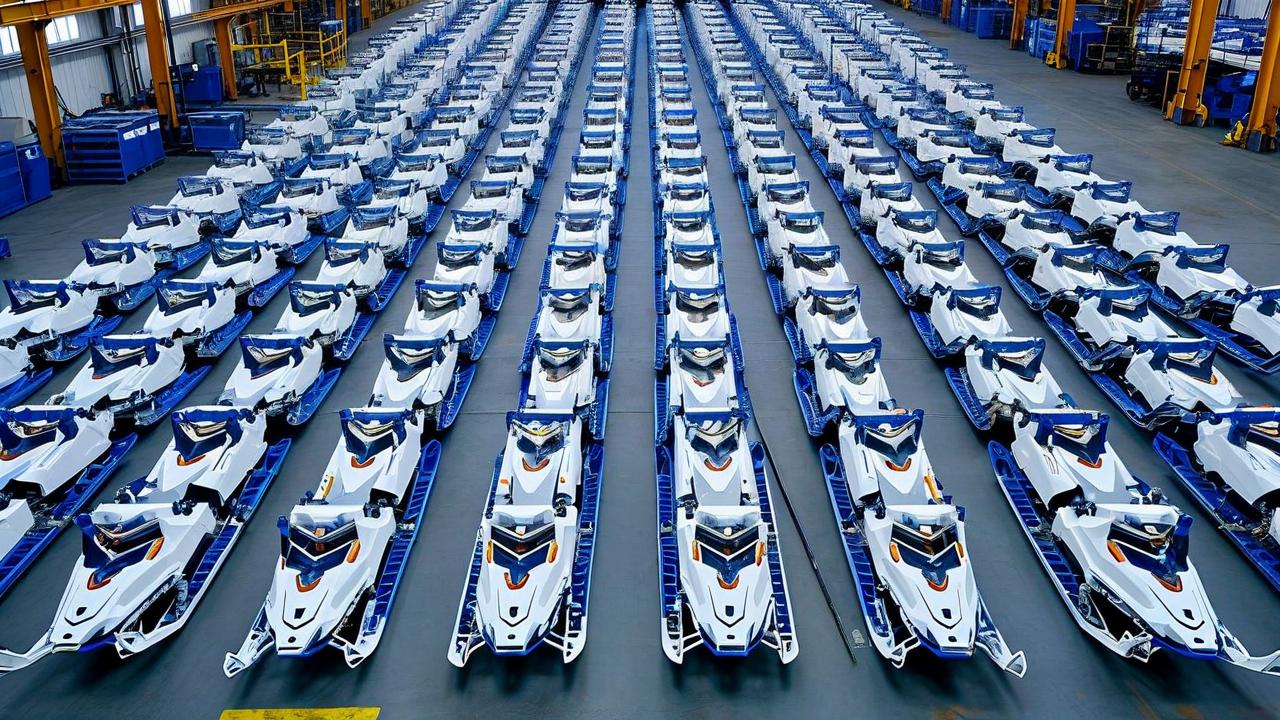
*this image is generated using AI for illustrative purposes only.
BRP Inc (NASDAQ: DOO) reported second-quarter fiscal year 2027 revenue of $2.2 billion, an 18% increase year-over-year, driven by strong off-road vehicle (ORV) demand. The company raised its full-year normalized earnings per share (EPS) guidance to a range of $4 to $4.50.
Financial Performance
The company generated normalized EBITDA of $139 million and reported a normalized loss per share of $(0.18). These results included an incremental net tariff impact of approximately $145 million compared with the same quarter last year. Free cash flow for the quarter was strong at $193 million, contributing to a year-to-date total of $560 million. BRP ended the quarter with more than $600 million in cash and a net leverage ratio of 1.6 times.
Gross profit was $263 million, representing a margin of 11.7%. The year-over-year decline in gross margin reflected tariff headwinds of approximately 740 basis points and a one-time supplier financial restructuring charge impacting margin by 330 basis points. Excluding these items, gross profit margin would have increased by approximately 140 basis points.
| Metric | Q2 FY27 | Change |
|---|---|---|
| Revenue | $2.2 billion | +18% YoY |
| Normalized EBITDA | $139 million | — |
| Normalized EPS | $(0.18) | — |
| Free Cash Flow | $193 million | — |
Strategic Updates and Leadership
BRP announced that Chief Financial Officer Sebastien Martel will retire in April 2027 after more than two decades with the company. Minh Thanh Tran, Executive Vice President of Global Corporate and Product Strategy, will succeed him as CFO. Martel will serve as an executive advisor until his retirement.
The company launched BRP Financial Services, a new US retail financing program designed to enhance customer engagement and support retail growth. Additionally, BRP expanded its ORV lineup with new utility side-by-side models, including the Defender HD10 platform and the XU series, targeting the growing utility segment which has quadrupled over the past six years.
Guidance and Outlook
BRP increased its full-year revenue guidance to between $9.225 billion and $9.475 billion. Normalized EBITDA guidance was set between $1.25 billion and $1.75 billion. Management expects third-quarter normalized EPS to decline 50% to 60% year-over-year due to incremental tariff impacts, implying a stronger fourth quarter.
The company estimates full-year Section 232 and 338 net tariff exposure at $200 million, or approximately $225 million on an annualized basis. BRP expects to generate more than $800 million in free cash flow for the fiscal year.
What the Numbers Show
Despite robust top-line growth of 18%, BRP reported a normalized loss per share of $(0.18). This divergence is primarily driven by significant one-time and structural headwinds rather than operational weakness in core sales. Tariffs alone reduced gross margin by 740 basis points, while a supplier restructuring added another 330 basis points of pressure. Excluding these specific items, the underlying business demonstrated margin expansion of 140 basis points, indicating that the revenue growth from strong ORV demand translated into improved profitability once external cost shocks are removed.

How might the leadership transition from Sebastien Martel to Minh Thanh Tran impact BRP's capital allocation strategy and response to ongoing tariff volatility?
Given the $200 million estimated full-year tariff exposure, what specific pricing power or supply chain adjustments is BRP implementing to protect margins in Q4?
Will the launch of BRP Financial Services significantly improve customer retention and average transaction values in the competitive US retail market?
 17
17










 Access 50+ Readymade Screeners
  Use 200+ Custom Filters
  Get Full Market Insights





