

Best Agrolife files FY26 BRSR report; turnover at ₹907.27 crore


- Standalone turnover fell to ₹907.27 crore in FY26 from ₹1,143.65 crore in FY25
- Insecticides drove 54% of revenue, with herbicides and fungicides contributing 26% and 14%
- Related-party sales share nearly doubled to 18.67%, despite overall revenue decline
- Energy intensity improved to 0.1478 GJ/₹ crore as total consumption dropped significantly
- Permanent employee turnover rose to 45% from 34% in the previous fiscal year


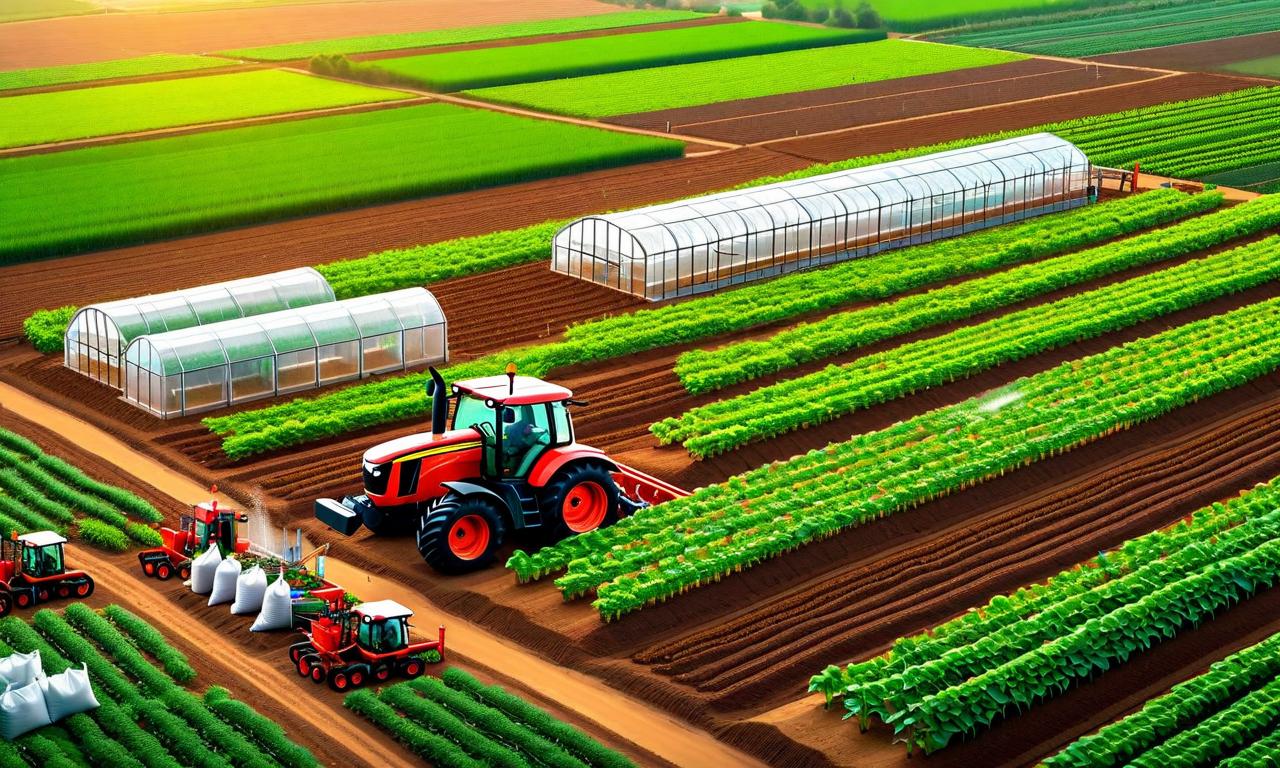
*this image is generated using AI for illustrative purposes only.
Best Agrolife Limited has filed its Business Responsibility and Sustainability Report (BRSR) for the financial year ending March 31, 2026. The disclosure outlines the company’s operational footprint, sustainability metrics, and governance practices for FY26.
Financial Overview
The company reported a standalone turnover of ₹907.27 crore for FY26, down from ₹1,143.65 crore in the previous fiscal year. Its net worth stood at ₹387.97 crore. Best Agrolife operates primarily through the distribution, sales, and marketing of agrochemical products, which accounted for 100% of its turnover.
| Metric | FY26 | FY25 |
|---|---|---|
| Standalone Turnover | ₹907.27 crore | ₹1,143.65 crore |
| Net Worth | ₹387.97 crore | N.A. |
Product Mix and Markets
Insecticides remained the largest revenue contributor, accounting for 54% of total turnover, followed by herbicides at 26% and fungicides at 14%. Plant growth regulators and other products made up the remaining 6%. The company serves customers across 21 states in India and two international markets.
While exports constitute a modest share of overall revenue, Best Agrolife is expanding its global registration pipeline. Key developments include:
- Two product registrations in Mexico nearing final approval.
- First product registration secured in Thailand.
- Accelerated registration progress for patented molecules in Sri Lanka.
- Expanded registration portfolio in Vietnam through local partnerships.
Human Capital and Safety
As of March 31, 2026, the company employed 465 permanent and non-permanent staff, with no workers reported. Female representation stood at 10% among permanent employees. The board of directors included two women, representing 33.33% of the total.
Employee turnover for permanent staff rose to 45% in FY26, compared to 34% in FY25 and 32% in FY24. Despite the higher churn, the company maintained full coverage for health and accident insurance for all permanent employees.
What the Numbers Show
A notable divergence exists between revenue performance and related-party transactions. While total turnover declined by approximately 21% year-on-year, the share of sales to related parties increased significantly from 9.71% in FY25 to 18.67% in FY26. Conversely, purchases from related parties decreased from 57.28% to 50.89%, suggesting a shift in procurement strategy or supplier base during the period.
Environmental Metrics
Best Agrolife reported total energy consumption from non-renewable sources at 134.06 GJ in FY26, a reduction from 260.89 GJ in FY25. This decline coincided with lower electricity consumption (28,794 units vs 47,136 units) and reduced fuel usage (800 liters vs 2,400 liters). Consequently, energy intensity per rupee of turnover improved to 0.1478 GJ/₹ crore, down from 0.2281 GJ/₹ crore.
Hazardous waste generation increased to 688.03 kg from 116.2 kg in the prior year. The company reported zero lost-time injuries and no fatalities for both employees and workers.
Historical Stock Returns for Best Agrolife
| 1 Day | 5 Days | 1 Month | 6 Months | 1 Year | 5 Years |
|---|---|---|---|---|---|
| -2.16% | -4.66% | -11.97% | -5.57% | -25.07% | -75.40% |

How does Best Agrolife plan to reverse the 21% year-on-year revenue decline amidst the growing reliance on related-party transactions?
What specific retention strategies will the company implement to address the sharp increase in permanent employee turnover from 34% to 45%?
Will the upcoming product registrations in Mexico and Thailand significantly impact the company's export revenue mix in the next fiscal year?
 20
20









 Create Custom Screeners
  Access 200+ Pre-built Filters
  Use 50+ Readymade Screener





