

Bombay Super Hybrid Seeds Q2FY27 Results: Net profit rises 5.1% YoY to ₹235.91 lakh


- Net profit for Q2FY27 rose 5.1% YoY to ₹235.91 lakh
- Revenue from operations surged 219.8% YoY to ₹8,586.11 lakh
- Operating cash flow turned positive at ₹10,374.27 lakh for H1FY27
- Inventories reduced significantly to ₹10,243.28 lakh from ₹23,207.46 lakh
- Trade receivables increased sharply to ₹6,223.49 lakh from ₹913.18 lakh

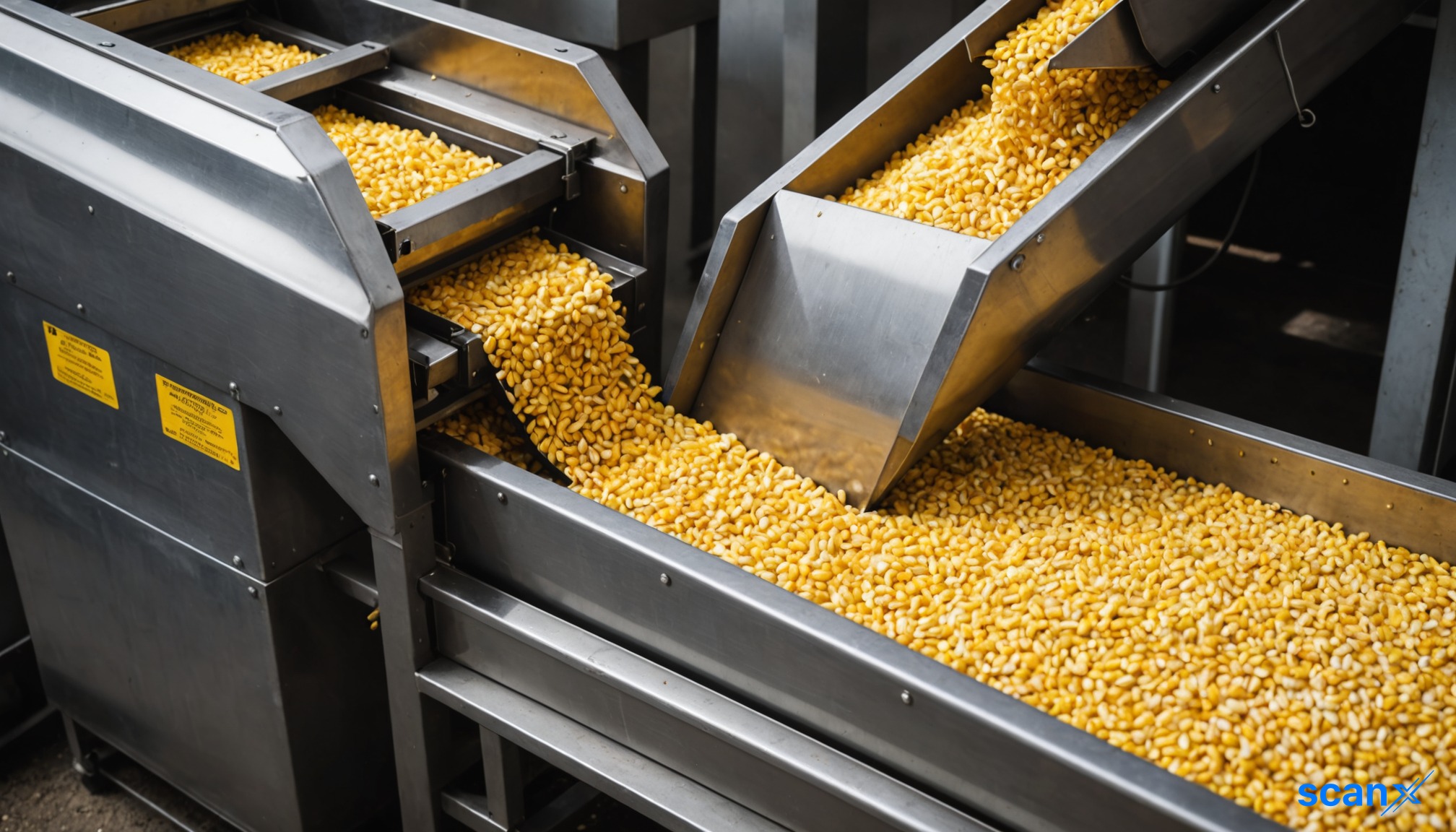

*this image is generated using AI for illustrative purposes only.
Bombay Super Hybrid Seeds Limited reported a net profit of ₹235.91 lakh for the quarter ended September 30, 2026 (Q2FY27), marking a 5.1% increase from ₹224.38 lakh in the corresponding period last year.
The company's revenue from operations clocked in at ₹8,586.11 lakh, a significant jump of 219.8% compared to ₹2,684.92 lakh in Q2FY26. Total income from operations stood at ₹8,596.17 lakh for the quarter under review.
Financial Performance Highlights
The standalone unaudited financial results indicate robust top-line growth driven by higher sales volumes. The table below summarizes key financial metrics for the quarter and half-year periods:
| Metric | Q2FY27 (₹ lakh) | Q2FY26 (₹ lakh) | H1FY27 (₹ lakh) | H1FY26 (₹ lakh) |
|---|---|---|---|---|
| Revenue from operations | 8,586.11 | 2,684.92 | 26,843.12 | 17,979.11 |
| Other income | 10.06 | 3.91 | 60.62 | 20.25 |
| Total expenses | 8,300.80 | 2,449.88 | 25,083.12 | 16,441.90 |
| Profit before tax | 295.37 | 238.95 | 1,820.62 | 1,557.45 |
| Net profit | 235.91 | 224.38 | 1,666.09 | 1,451.05 |
| EPS (Basic/Diluted) | 0.22 | 0.21 | 1.59 | 1.38 |
What the Numbers Show
A notable divergence exists between the massive revenue growth and the modest profit expansion. While revenue rose over 200% YoY, net profit increased only by 5.1%. This disparity is largely attributable to a significant swing in inventory valuation. In Q2FY27, the change in inventories was recorded as an expense of ₹4,805.99 lakh, compared to just ₹415.70 lakh in Q2FY26. This substantial increase in inventory holding costs absorbed much of the gross margin benefit from higher sales volumes.
Furthermore, employee benefit expenses more than doubled YoY, rising from ₹80.61 lakh to ₹163.16 lakh, reflecting increased operational scale or wage adjustments. Despite these cost pressures, the company maintained positive profitability, with EBITDA margins implicitly supported by strong volume growth in its hybrid seeds business.
Balance Sheet and Cash Flow Trends
The balance sheet reflects a strategic shift in working capital management. Inventories decreased significantly from ₹23,207.46 lakh as on March 31, 2026, to ₹10,243.28 lakh as on September 30, 2026. This release of working capital contributed to a strong operating cash flow of ₹10,374.27 lakh for the half-year ended September 30, 2026, compared to a negative operating cash flow of ₹1,580.11 lakh for the full FY26.
Conversely, trade receivables surged from ₹913.18 lakh to ₹6,223.49 lakh during the same period, indicating a potential extension of credit terms to customers or a timing lag in collections despite high sales. To manage liquidity, the company repaid short-term borrowings of ₹10,659.78 lakh while availing new non-current term loans of ₹2,144.53 lakh. Cash and cash equivalents improved from ₹21.22 lakh to ₹312.34 lakh over the half-year.
Board Approval and Audit Status
The Board of Directors approved the unaudited standalone financial statements at a meeting held on October 15, 2026. M/s. Gautam N Associates, Chartered Accountants, issued an unmodified review report on the quarterly results, confirming compliance with SEBI (Listing Obligations and Disclosure Requirements) Regulations, 2015.
Historical Stock Returns for Bombay Super Hybrid Seeds
| 1 Day | 5 Days | 1 Month | 6 Months | 1 Year | 5 Years |
|---|---|---|---|---|---|
| +6.69% | +30.10% | +14.64% | +0.61% | -15.81% | +242.53% |

How will the significant reduction in inventory levels impact Bombay Super Hybrid Seeds' working capital requirements and cash flow stability in the upcoming quarters?
What measures is the company implementing to address the sharp surge in trade receivables and ensure timely collections without compromising sales growth?
Can the company sustain its current EBITDA margins if employee benefit expenses continue to rise in line with operational scale expansion?
 20
20











 Create Custom Screeners
  Access 200+ Pre-built Filters
  Use 50+ Readymade Screener





