

ASML CEO warns excessive China export controls could create rival


- ASML holds a total monopoly on EUV lithography machines essential for advanced AI chip production
- CEO Christophe Fouquet warns excessive export controls to China may accelerate domestic rival creation
- An EUV machine costs ~$400 million and involves >100,000 parts from ~2,000 companies
- Fouquet estimates the AI technology cycle could last 10 to 15 years

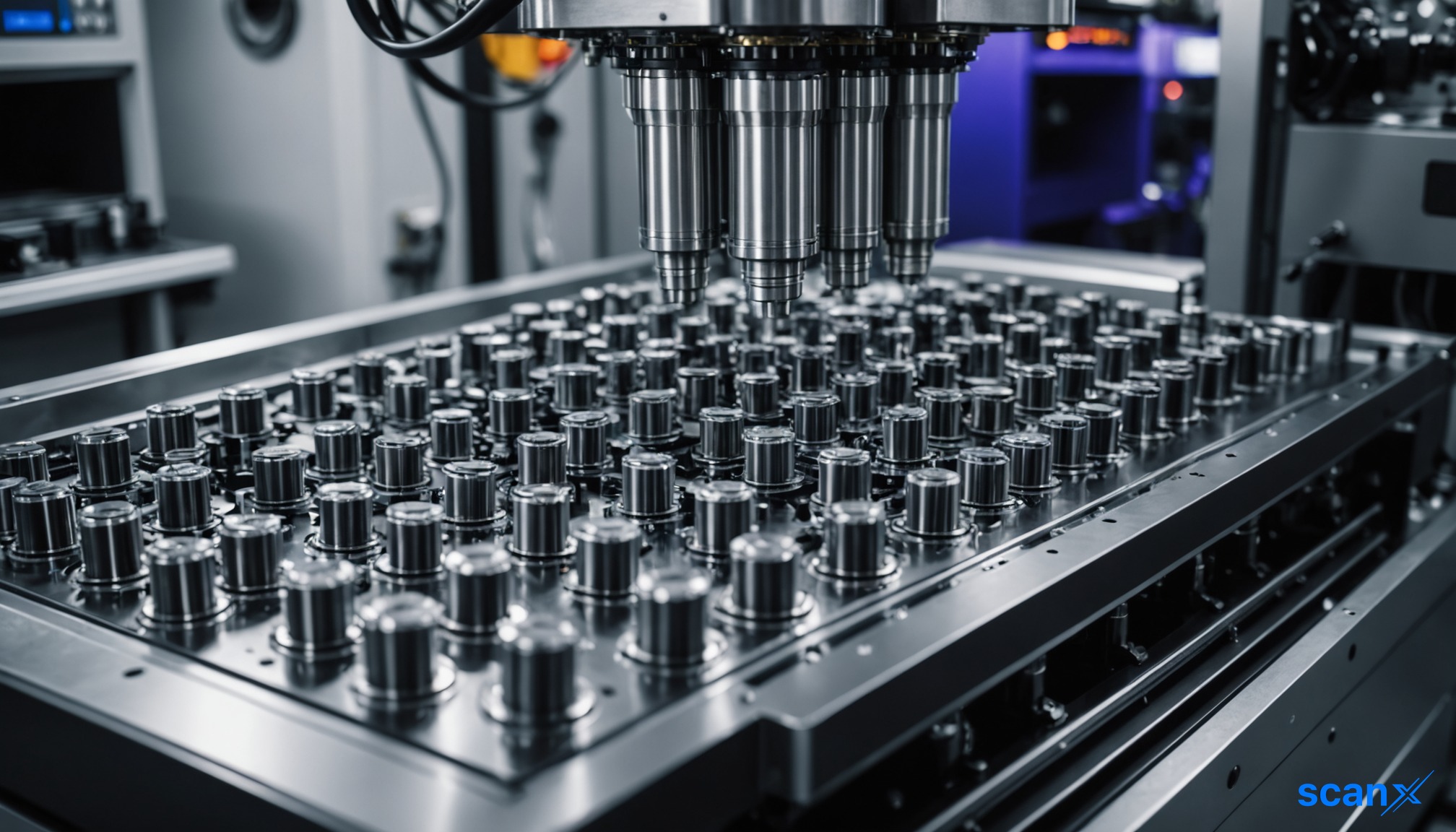

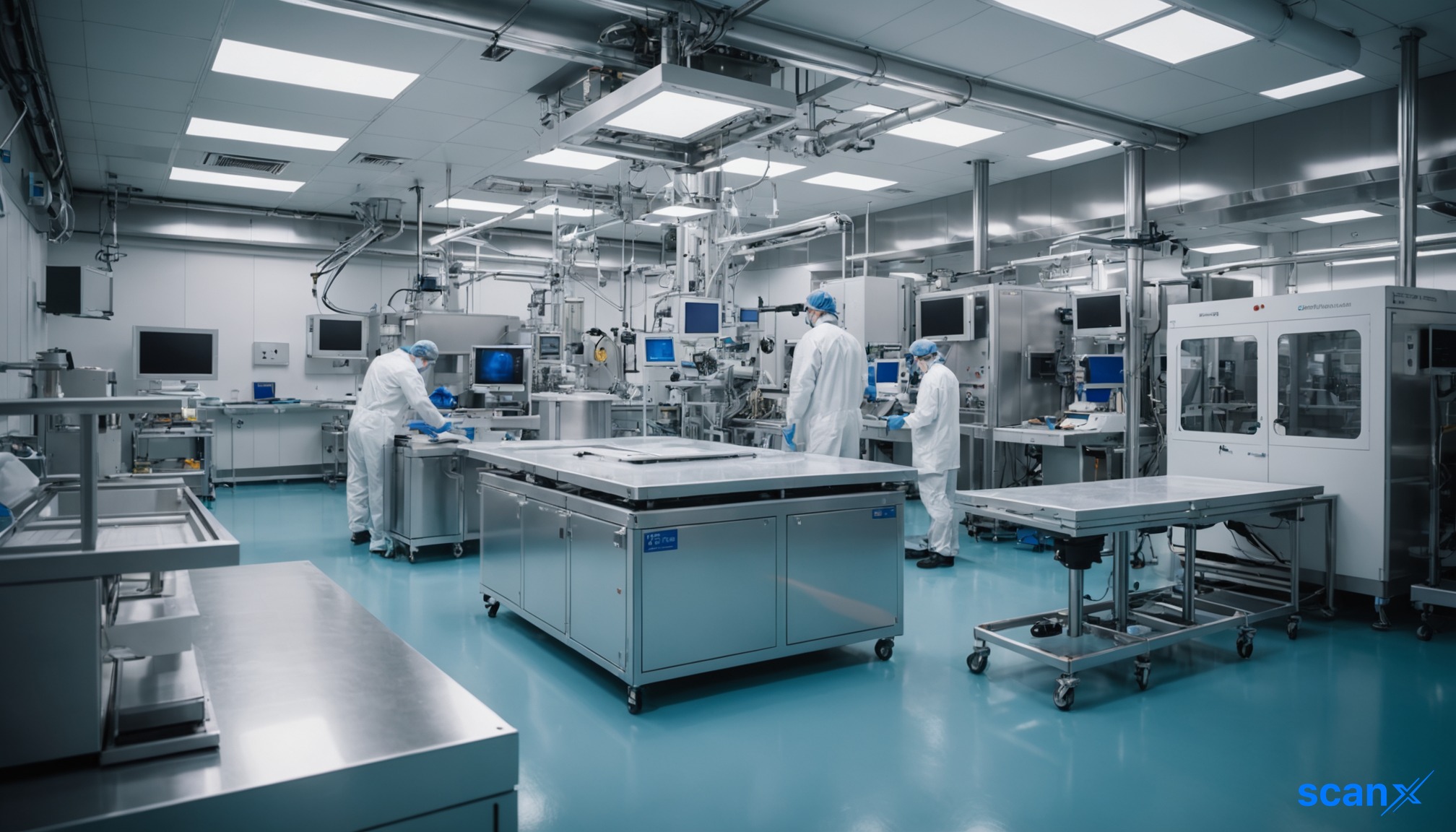
*this image is generated using AI for illustrative purposes only.
ASML Holding N.V. (NASDAQ: ASML) remains a critical, often overlooked link in the artificial intelligence supply chain, holding a total monopoly on the extreme ultraviolet (EUV) lithography machines required to manufacture advanced chips.
CEO Christophe Fouquet told the Financial Times that while investors initially focused on Nvidia Corp (NASDAQ: NVDA) and Taiwan Semiconductor Manufacturing Company Ltd. (NYSE: TSM), the true bottleneck lies with ASML. The company supplies the equipment that makes TSMC’s manufacturing possible, placing it in a unique position upstream of the visible AI winners.
The Risk of Creating a Competitor
Fouquet warned that overly broad export controls on advanced semiconductor technology to China could backfire by accelerating Beijing’s efforts to build domestic alternatives. He argued that while some restrictions are necessary for security, "over-restricting" creates desperation. This desperation incentivizes China to develop competing technologies, potentially undermining ASML’s long-term market dominance.
ASML currently faces bans on selling its most advanced EUV systems to China. However, Fouquet highlighted that restrictions on deep ultraviolet (DUV) equipment could have unintended consequences. He pointed to Huawei’s emergence as a significant force in developing DUV lithography technology as evidence that pressure can drive innovation. The concern is that limiting access to Western technology today increases the strategic value of building alternatives tomorrow.
Complexity as a Barrier and a Bottleneck
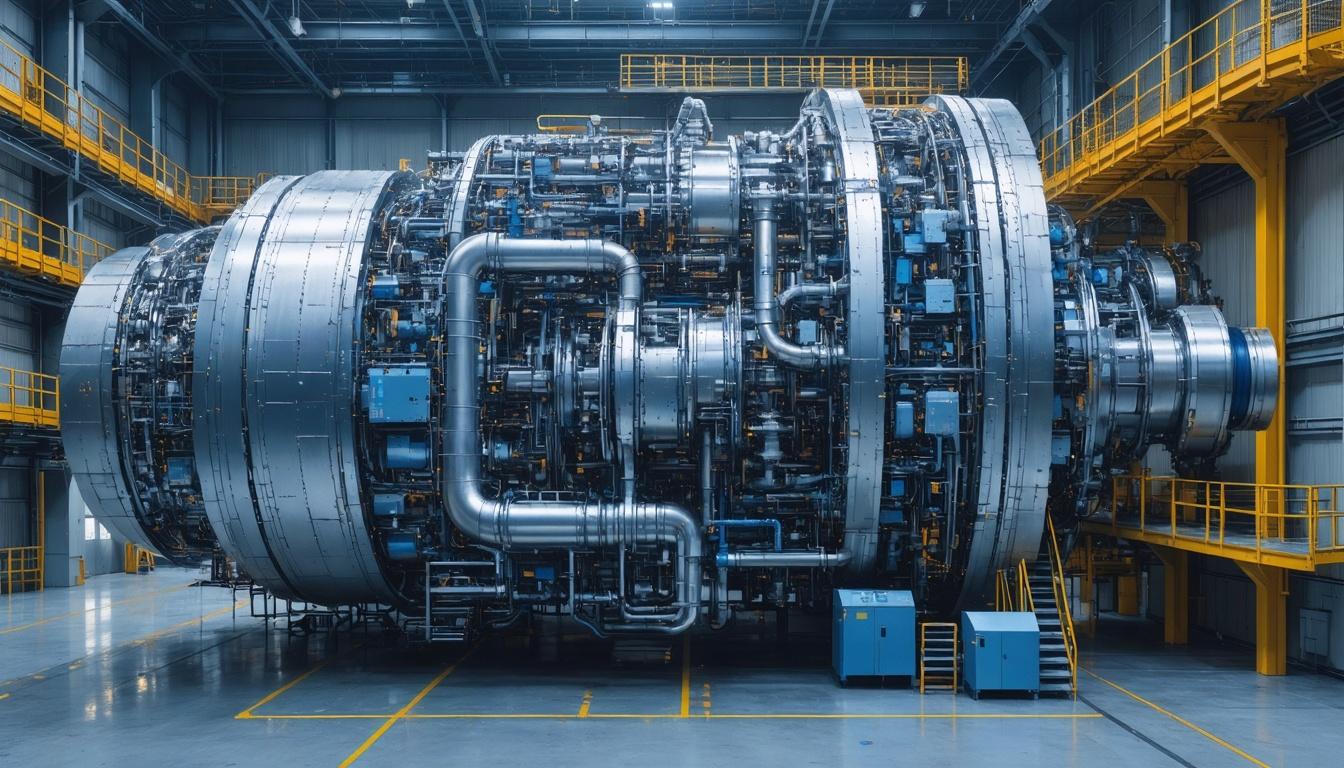
The scale of ASML’s technology helps explain why the company is so difficult to replicate. An EUV machine can cost roughly $400 million and is about the size of a double-decker bus. It uses lasers, mirrors, vacuum systems and short-wave light to print increasingly small circuits onto silicon wafers.
An ASML EUV machine contains more than 100,000 parts, supplied by 200 principal suppliers and roughly 2,000 companies across the broader ecosystem. Companies including Zeiss, Trumpf and VDL supply critical components, while ASML has acquired or invested in selected suppliers when needed to protect the technology chain. Fouquet notes that this complexity is an advantage, allowing ASML to work with specialist companies rather than manufacturing everything itself.
| Component | Detail |
|---|---|
| Cost per EUV Machine | ~$400 million |
| Total Parts | >100,000 |
| Principal Suppliers | 200 |
| Broader Ecosystem | ~2,000 companies |
Fouquet rejected the notion that capacity could be increased simply by injecting more capital. He noted that manufacturing is constrained by the broader supply chain ecosystem. This structural rigidity means that export controls do not just limit immediate sales; they reshape the competitive landscape over a longer timeframe.
What the Numbers Show
The tension between short-term security goals and long-term market dynamics is evident in ASML’s operational reality. While current restrictions limit China’s access to critical EUV technology, the company’s reliance on a vast supplier network (2,000 companies) means its production capacity is not easily expandable. Consequently, if China succeeds in replicating even partial capabilities due to restricted access, ASML faces a dual challenge: lost revenue in the near term and potential erosion of its technological monopoly in the long term.
Furthermore, Fouquet expects the AI cycle itself to remain substantial. He estimates the technology’s effect on society and industry could last 10 to 15 years, saying the world is still seeing only the "tip of the iceberg." For investors, the Nvidia story therefore has another layer: the AI hardware chain reaches back to a Dutch equipment maker whose technology has become one of the industry’s hardest-to-replace links.

How might recent or potential expansions of US export controls on DUV equipment specifically impact ASML's revenue mix and long-term market share in China?
What specific milestones in Huawei’s domestic DUV lithography development would signal a credible threat to ASML’s monopoly, and how should investors monitor these indicators?
Given the structural rigidity of ASML’s 2,000-company supply chain, how will the company manage production capacity constraints if AI chip demand accelerates faster than supplier ecosystem expansion?
 15
15




 Access Market Heat-map & Insights
  Create, Save & Share your Screener
  Use 200+ Screening Filters





