

ASML Eyes 110 EUV Machines in 2028 as JPMorgan Cites Strong AI Demand


- ASML explores producing >110 EUV machines in 2028 amid strong AI demand
- Shares fell 5.2% after industry leaders urged slowing AI capability gains
- 2027 capacity set at 80+ units; 2028 sees planned 30% increase
- Assembly speed, not supply chain, is now the primary production constraint
- Intel expected to return as meaningful customer in 2027

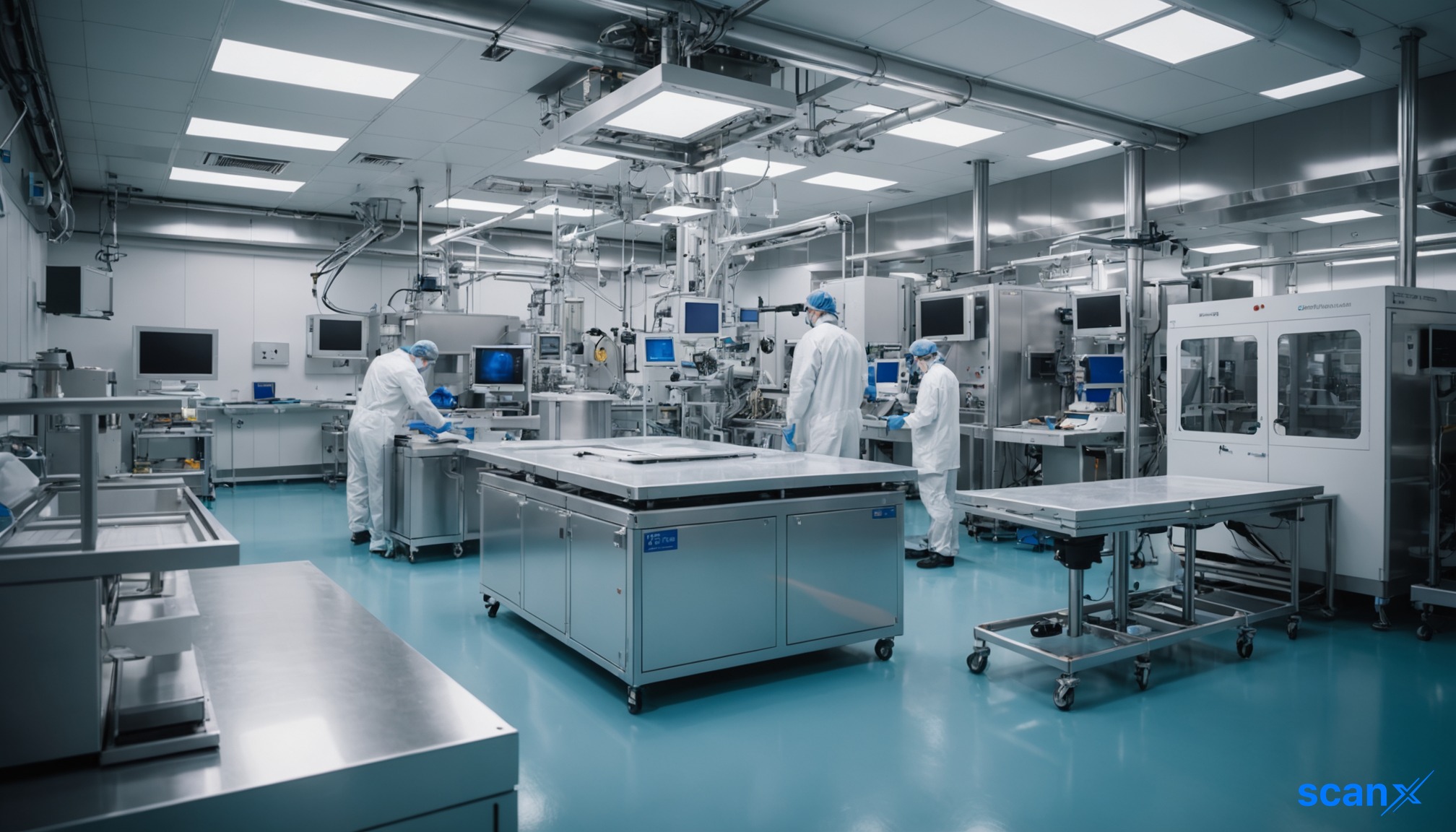

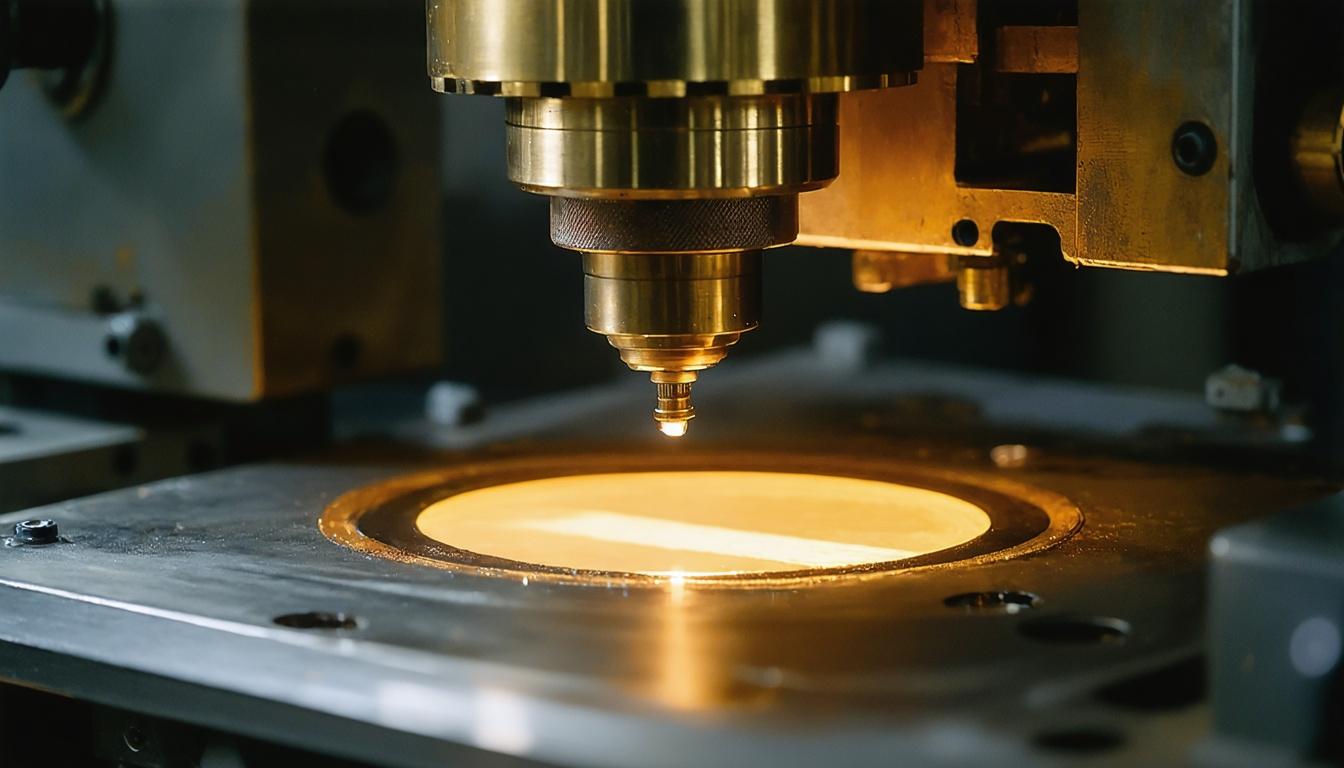
*this image is generated using AI for illustrative purposes only.
ASML Holding N.V. (NASDAQ: ASML) is exploring production of more than 110 extreme-ultraviolet (EUV) chip-printing machines for 2028, according to JPMorgan, which described artificial intelligence demand as "very very strong."
The Dutch lithography equipment maker saw its Amsterdam-listed shares fall 5.2% on Monday following a broader selloff in chip stocks. The decline followed calls from Anthropic CEO Dario Amodei, Sam Altman, and Elon Musk urging the industry to slow frontier AI capability gains.
Capacity Expansion Plans
JPMorgan analysts met with ASML CFO Roger Dassen and noted that most new EUV orders are now scheduled for delivery in 2028. ASML stated in July that its 2026 low-NA EUV capacity stands at around 65 machines.
The company plans to increase this capacity by 30% in 2027 and is examining another 30% increase for 2028. ASML is already nearly sold out for 2027, with production capacity of at least 80 machines.
| Year | Planned Capacity / Increase | Status |
|---|---|---|
| 2026 | Around 65 machines | Baseline |
| 2027 | 30% increase (at least 80 units) | Nearly sold out |
| 2028 | Examining another 30% increase | Exploring >110 units |
JPMorgan identified assembly speed, rather than supply chain constraints, as ASML's primary bottleneck. The bank expects Intel Corp. (NASDAQ: INTC) to become a "meaningful customer again" in 2027. Additionally, Elon Musk's planned Terafab is developing as a customer.
Market Context and Valuation
ASML remains the sole commercial supplier of EUV lithography machines, which cost roughly $200 million each. Its customer base includes Taiwan Semiconductor Manufacturing Co. (NYSE: TSM), Samsung Electronics, and Intel. Nvidia Corp. (NASDAQ: NVDA) relies on foundries like TSMC, which use ASML equipment to manufacture GPUs.
Prediction markets reflect lingering skepticism about an immediate AI downturn. Polymarket assigns a 13% chance to an AI industry bust by December 31, up from 11% the previous week. Approximately $2.4 million has been traded on this contract.
What the Numbers Show
A divergence exists between short-term market sentiment and long-term industrial planning. While ASML shares fell 5.2% on news of potential AI slowdowns, the company is actively expanding capacity for deliveries two years out. With 2027 nearly sold out and 2028 orders already booking, the constraint has shifted from supply chain availability to physical assembly speed, indicating sustained demand despite regulatory caution calls.

How might the shift from supply chain constraints to assembly speed bottlenecks impact ASML's capital expenditure strategy and factory automation investments in 2027-2028?
What specific volume of EUV orders is required for Intel to qualify as a 'meaningful customer again' in 2027, and how does this compare to TSMC's current demand?
Could the calls from AI leaders like Sam Altman and Elon Musk to slow frontier AI development lead to a delayed but sharper correction in chip equipment orders after 2028?
 16
16





 Create Custom Screeners
  Access 200+ Pre-built Filters
  Use 50+ Readymade Screener





