

Apple launches iOS 27 with Siri AI limits; iPhone 18 wait times rise


- Apple launched iOS 27 with a revamped Siri AI featuring daily usage limits for cloud features
- Gene Munster cited server overload causing 5–15 second response times for the new Siri
- iPhone 18 pre-order wait times rose to 2.6 weeks across eight countries, up from 1.6 weeks
- Bank of America maintains a Buy rating with a $370 price target despite structural supply factors

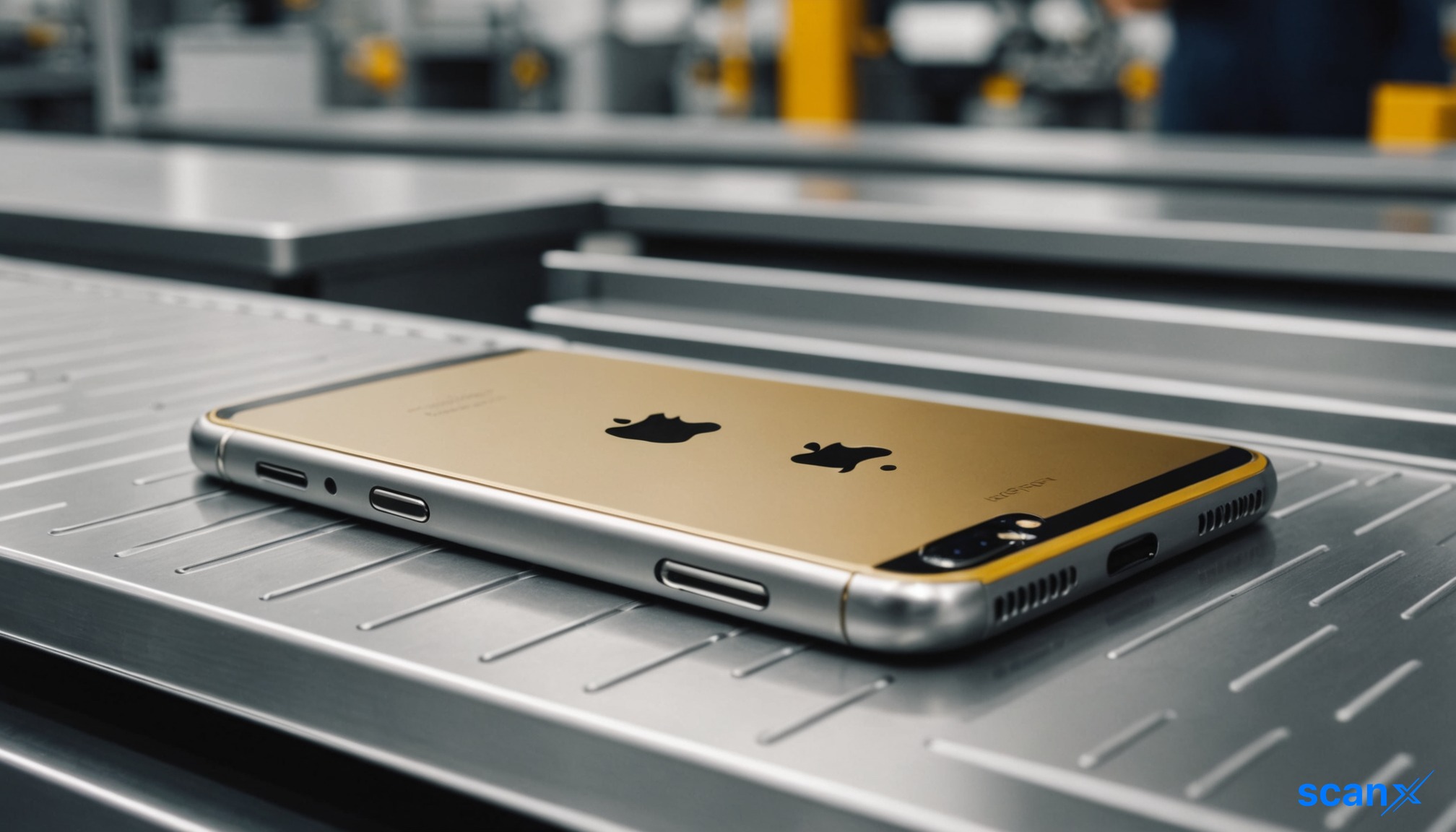

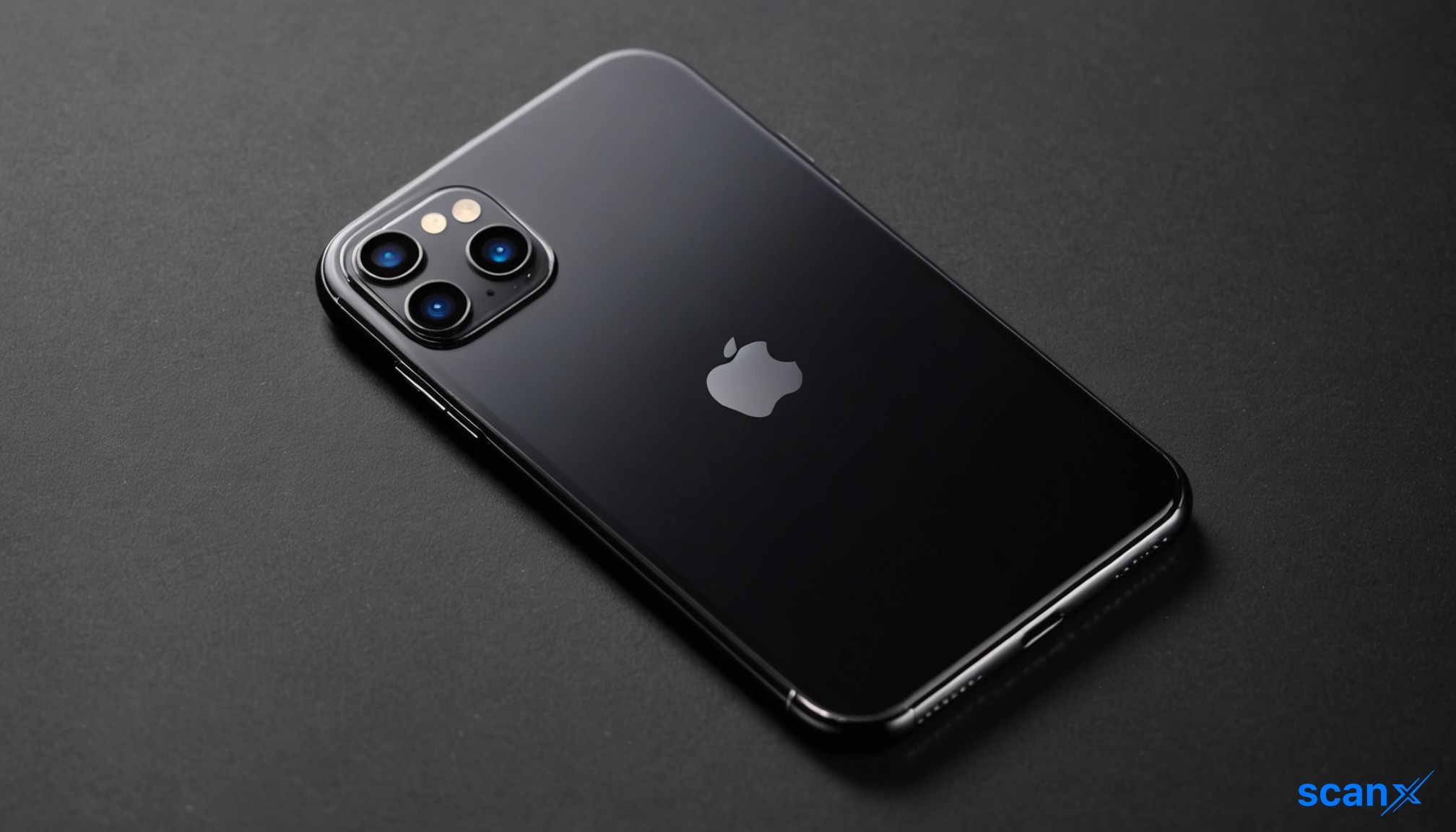
*this image is generated using AI for illustrative purposes only.
Apple Inc. (NASDAQ: AAPL) rolled out iOS 27 on Monday, introducing a reimagined Siri AI assistant with daily usage limits for certain cloud-based features. The update coincides with rising pre-order wait times for the upcoming iPhone 18 lineup.
Siri AI Features and Constraints
The new Siri allows users to respond to replies for a more conversational experience and saves previous queries in a dedicated app. It uses large language models to analyze local personal data, including texts, emails, and calendar appointments. Apple stated that cloud-based features will be subject to daily usage limits, with expanded access potentially offered for a fee in the future.
The capabilities are powered by next-generation Foundation Models developed in partnership with Alphabet Inc.’s Google and its Gemini models. The service runs both on-device and through servers using Private Cloud Compute. Currently in beta and available only in English, support for French, Japanese, Korean, Portuguese, and Spanish will be added next month. The service is unavailable in the EU or China due to regulatory reasons.
Server Performance Concerns
Deepwater Asset Management’s Gene Munster reported that Apple’s servers appeared overloaded following the iOS 27 rollout, similar to the launch of Apple Intelligence in October 2024. He criticized the new Siri AI for response times of 5–15 seconds, describing them as "way too long." Munster noted that updating to the new iOS version took longer than usual after its release at 1 p.m. ET.
iPhone 18 Demand Signals
The software launch follows the unveiling of the iPhone 18 lineup, which retains the design language of the iPhone 17 Pro but features the new A20 Pro Chip. Munster highlighted that average pre-order lead times across eight countries reached 2.6 weeks three days into pre-orders, up from 1.6 weeks the previous day. This figure matches where Pro models stood at the same point last year.
Bank of America previously indicated compressed global average ship times for the iPhone 18 Pro at 14 days, down from 18 days for the iPhone 17 Pro. The Pro Max model showed lead times of 18 days, reduced from 25 days in the prior cycle. China remained the fastest market with 11-day waits for the Pro and 15 days for the Pro Max.
| Model | Current Ship Time | Prior Year Ship Time |
|---|---|---|
| iPhone 18 Pro | 14 days | 18 days |
| iPhone 18 Pro Max | 18 days | 25 days |
Analyst Outlook
Bank of America characterizes its shipping metric as "directional rather than directly comparable" against prior years due to structural differences, including the launch of only the Pro lineup this round. Higher pricing and elevated production inventory are also cited as factors that may compress lead times independent of underlying demand. Despite these mixed signals, the firm reiterated its Buy rating on Apple with a price objective of $370.
What the Numbers Show
The divergence between Bank of America’s static snapshot of 14-day Pro lead times and Munster’s observation of rising averages to 2.6 weeks suggests dynamic demand pressures emerging after the initial launch window. While BofA cautions that supply-side factors like higher channel inventory may suppress wait times, Munster’s data indicates that consumer uptake is pushing lead times back toward prior-year levels for Pro models, potentially offsetting some of the supply-side easing.

How might the introduction of daily usage limits and potential future fees for Siri's cloud features impact Apple's long-term subscription revenue strategy?
Could the reported server overload and slow response times deter early adopters from utilizing AI features, thereby affecting user retention rates for iOS 27?
What are the implications of excluding the EU and China from the initial Siri AI rollout on Apple's competitive positioning against local tech giants in those regions?
 15








 Access 50+ Readymade Screeners
 Use 200+ Custom Filters
 Get Full Market Insights





