

Apple developing AI servers with Nvidia tech for 2029 launch


- Apple is developing an AI server using planned M8 Ultra chips and Nvidia's NVLink Fusion technology
- The project aims for a 2029 launch, marking Apple's first dedicated server hardware since 2011
- CEO John Ternus backed the initiative, which began about a year ago
- Broadcom is viewed as a top pick for inference workloads as AI spending shifts from training
- Nvidia shares rose 1.89% to $216.17 while Apple shares gained 0.40% to $332.66


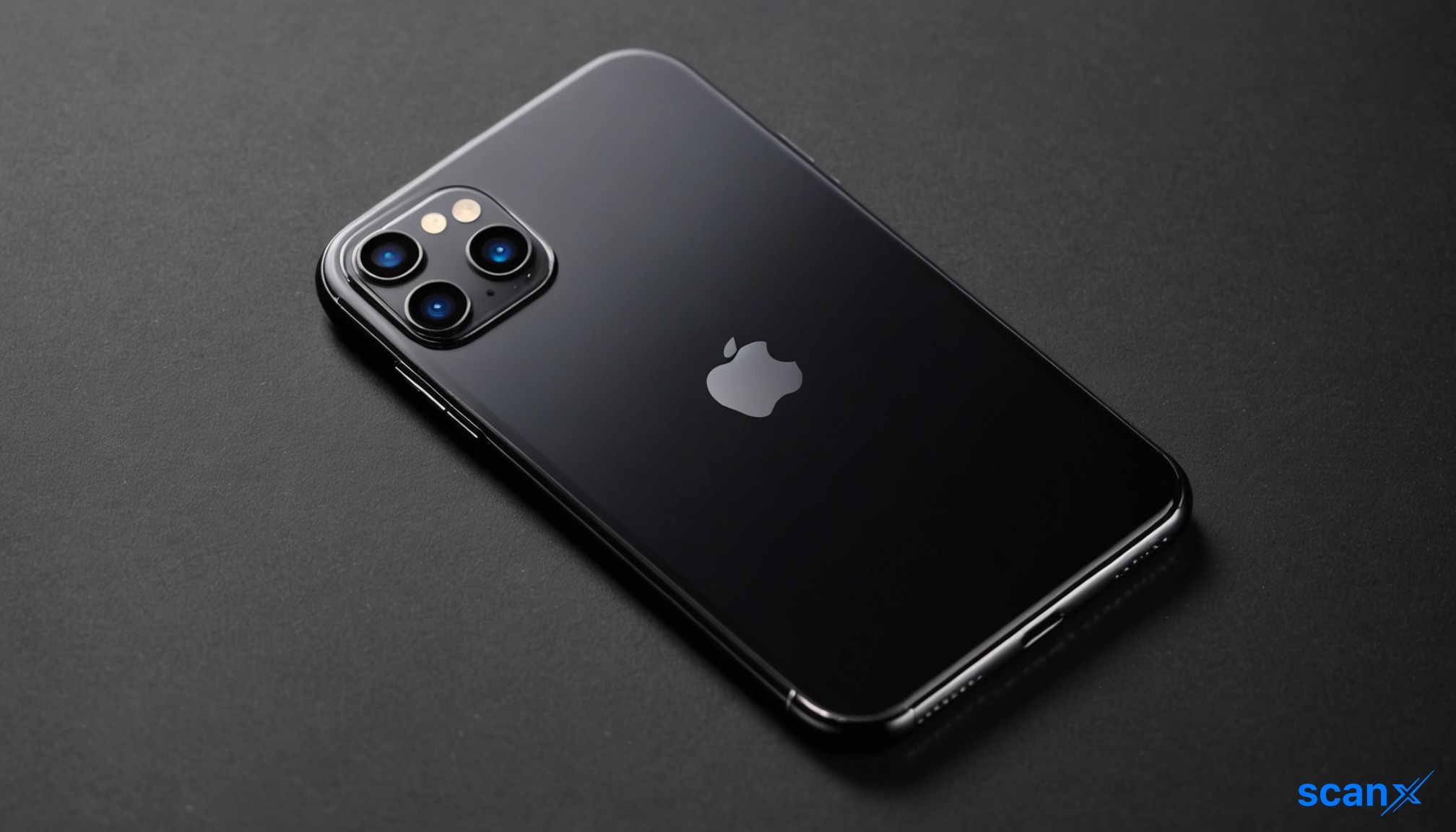
*this image is generated using AI for illustrative purposes only.
Apple Inc. (NASDAQ: AAPL) is developing an artificial intelligence server that could utilize two or four planned M8 Ultra chips. The company is considering Nvidia Corp’s (NASDAQ: NVDA) NVLink Fusion technology to connect the processors.
The initiative represents a significant expansion of Apple’s in-house silicon strategy beyond consumer devices. The project reportedly began about a year ago with backing from current CEO John Ternus. If launched, it would mark Apple’s first dedicated server hardware since it discontinued Xserve in 2011.
In-House Silicon Push Expands
Apple recently refreshed its Mac lineup with M6, M5 Pro, M5 Max and M5 Ultra chips. The company stated that the 2-nanometer M6 delivers up to four times faster AI performance. This server initiative extends that computational power into data-center systems.
Apple does not expect a launch before 2029. The project could still be canceled or proceed without Nvidia technology. A partnership would potentially integrate Apple’s custom chips with Nvidia’s broader data-center infrastructure.
Broadcom Positioned For Inference Shift
Broadcom Inc. (NASDAQ: AVGO) could emerge as a key beneficiary as AI spending shifts from training models toward running large-scale inference workloads. BakerAvenue Wealth Management chief strategist King Lip said Nvidia has excelled in AI model training. However, for large, repetitive inference workloads, Broadcom is Lip’s “top pick” for the next evolution in custom AI chips.
Lip added that Broadcom does not need Nvidia to lose market share to expand. Both companies can benefit from different parts of growing AI infrastructure demand.
What the Numbers Show
The strategic divergence between Nvidia and Broadcom highlights a structural shift in AI capital expenditure. While Nvidia dominates model training, the move toward inference workloads favors Broadcom’s custom silicon approach. Apple’s entry into server hardware further validates the growing demand for specialized AI processing power beyond general-purpose GPUs.
Market Reaction
Nvidia shares were up 1.89% at $216.17 at the time of publication on Wednesday. Apple shares were up 0.40% at $332.66.

How might Apple's entry into server hardware with custom silicon disrupt the current dominance of x86-based architectures in enterprise data centers?
What specific technical or strategic hurdles could cause Apple to abandon the NVLink Fusion partnership before the projected 2029 launch?
Could Apple's shift toward in-house server chips accelerate Broadcom's growth in custom AI inference solutions, and if so, how might this reshape their competitive dynamic with Nvidia?
 18











 Access 50+ Readymade Screeners
 Use 200+ Custom Filters
 Get Full Market Insights





