

ACME Solar Holdings approves merger of three wholly owned subsidiaries


- Board approves amalgamation of three wholly owned subsidiaries into ACME Solar Holdings
- No cash or share consideration; existing subsidiary shares will be cancelled
- Move aims to simplify corporate structure and reduce administrative compliance costs
- Subsidiaries report combined turnover of ₹1,634.23 million as on March 31, 2026

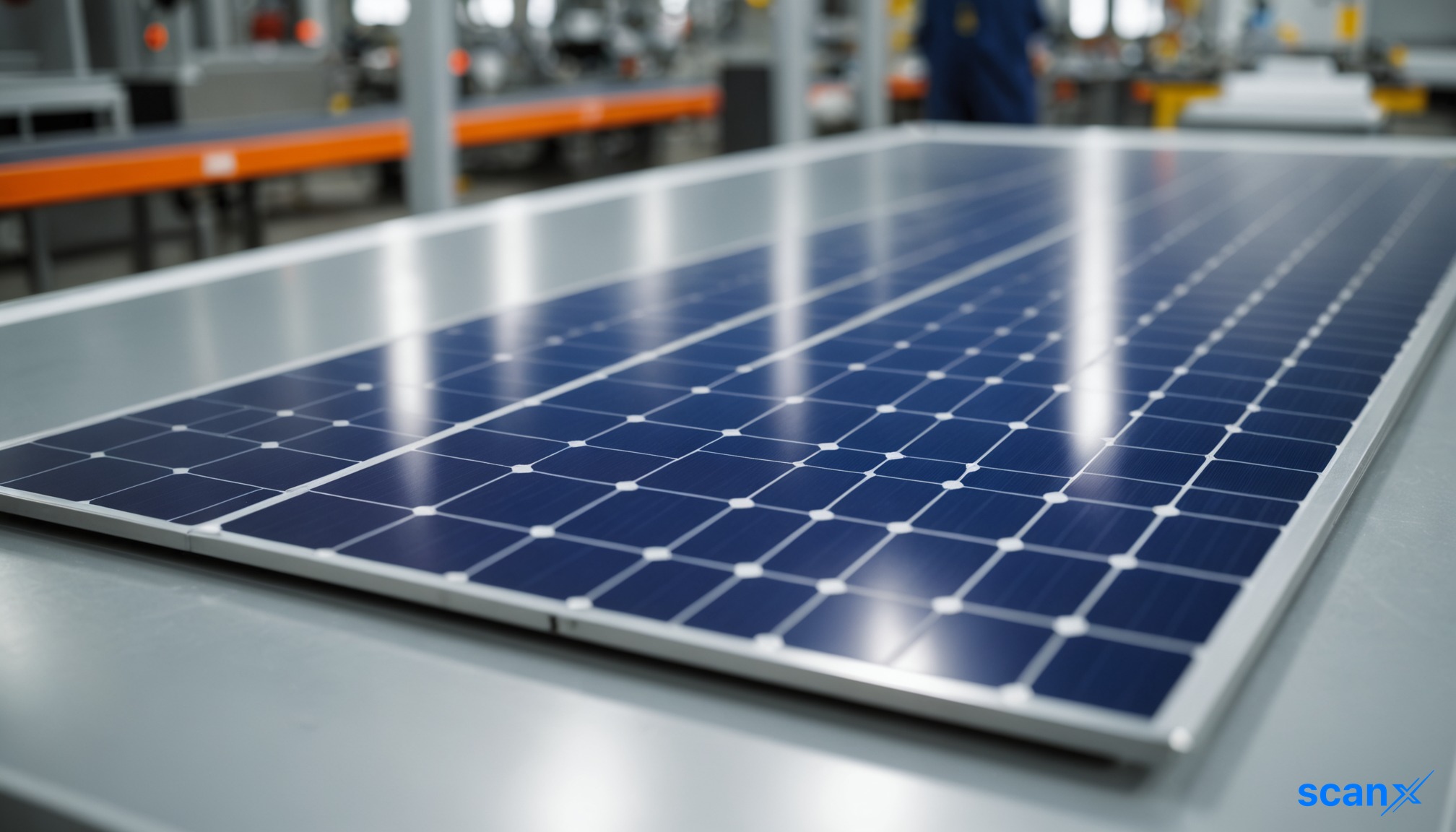

*this image is generated using AI for illustrative purposes only.
ACME Solar Holdings board approved a scheme of amalgamation involving three wholly owned subsidiaries on September 18, 2026. The move aims to simplify the corporate structure and reduce administrative costs.
The board meeting, held in Gurugram, considered the merger of ACME Pokhran Solar Private Limited, ACME Sikar Solar Private Limited, and ACME Eco Clean Energy Private Limited into the listed parent company. The transaction falls under Sections 230–232 of the Companies Act, 2013.
Transaction Structure
The amalgamation involves direct and indirect wholly owned subsidiaries. Since the transferor companies are wholly owned by the transferee, no new shares will be issued. Existing equity shares held by the parent company in these subsidiaries will be cancelled and extinguished upon the scheme becoming effective.
There is no cash or share consideration involved in the deal. Consequently, there will be no change in the shareholding pattern of the listed entity.
Financial Overview of Entities
The financial position of the entities involved as on March 31, 2026, is detailed below. The data highlights the scale of assets being consolidated into the main balance sheet.
| Entity | Turnover (₹ Million) | Net Worth (₹ Million) | Net Profit (₹ Million) |
|---|---|---|---|
| ACME Pokhran Solar | 294.86 | 463.59 | (53.11) |
| ACME Sikar Solar | 1,204.22 | 1,169.56 | 185.95 |
| ACME Eco Clean Energy | 135.15 | 419.47 | (94.09) |
| ACME Solar Holdings | 39,109.50 | 49,515.93 | 3,401.58 |
Strategic Rationale
The company cited several operational benefits for the consolidation:
- Simplified Structure: Consolidating renewable energy assets under one entity provides greater operational visibility.
- Cost Efficiencies: Eliminating duplication in corporate, secretarial, tax, and audit compliance reduces administrative overhead.
- Cash Flow Optimization: Unified management of project cash flows may facilitate better access to debt financing on favorable terms.
- Reduced Inter-company Transactions: The merger eliminates cross-charges, guarantees, and unrealized gains between group entities.
What the Numbers Show
The financial data reveals a divergence in profitability among the subsidiaries being merged. While ACME Sikar Solar contributed positive net profit of ₹185.95 million, both ACME Pokhran Solar and ACME Eco Clean Energy reported losses of ₹53.11 million and ₹94.09 million respectively. Consolidating these entities allows the parent company to absorb these project-level variances directly, potentially streamlining the reporting of net group performance against its larger turnover base of ₹39,109.50 million.
Regulatory Compliance
The transaction is exempt from related-party transaction requirements under Section 188 of the Companies Act, 2013, as per Ministry of Corporate Affairs circulars. It is also exempt from specific SEBI Listing Regulations provisions regarding related-party transactions due to the wholly-owned nature of the subsidiaries.
The company has hosted the intimation on its website and notified the stock exchanges pursuant to Regulation 30 of the SEBI Listing Regulations.
Historical Stock Returns for ACME Solar Holdings
| 1 Day | 5 Days | 1 Month | 6 Months | 1 Year | 5 Years |
|---|---|---|---|---|---|
| +0.59% | -2.47% | -2.47% | +43.66% | +46.74% | +61.96% |

How might the consolidation of cash flows from these subsidiaries impact ACME Solar Holdings' debt servicing capabilities and future borrowing costs?
What specific operational synergies or cost savings does management project from eliminating inter-company transactions and administrative overheads?
Will the merger of loss-making subsidiaries like ACME Pokhran and ACME Eco Clean Energy affect the parent company's overall net profit margins in the near term?
 16
16










 Access Market Heat-map & Insights
  Create, Save & Share your Screener
  Use 200+ Screening Filters





