

ACME Solar Holdings files first FY26 BRSR with Grant Thornton assurance


- Files first BRSR for FY26 with reasonable assurance from Grant Thornton Bharat LLP
- Consolidated turnover stands at ₹2,507.08 crore with 2.9 GW operational capacity
- Scope 3 emissions account for majority of carbon footprint at 355,595.56 MT CO2e
- Workforce includes 955 employees; women representation at 5% of total staff



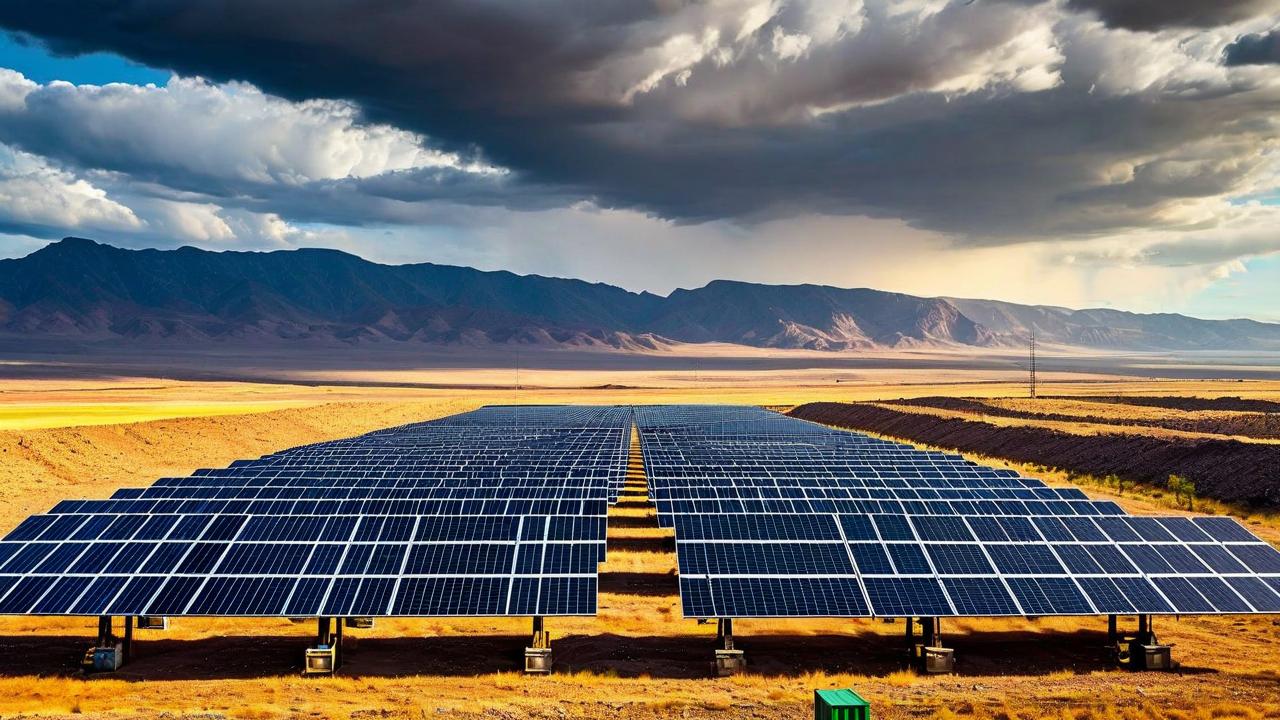
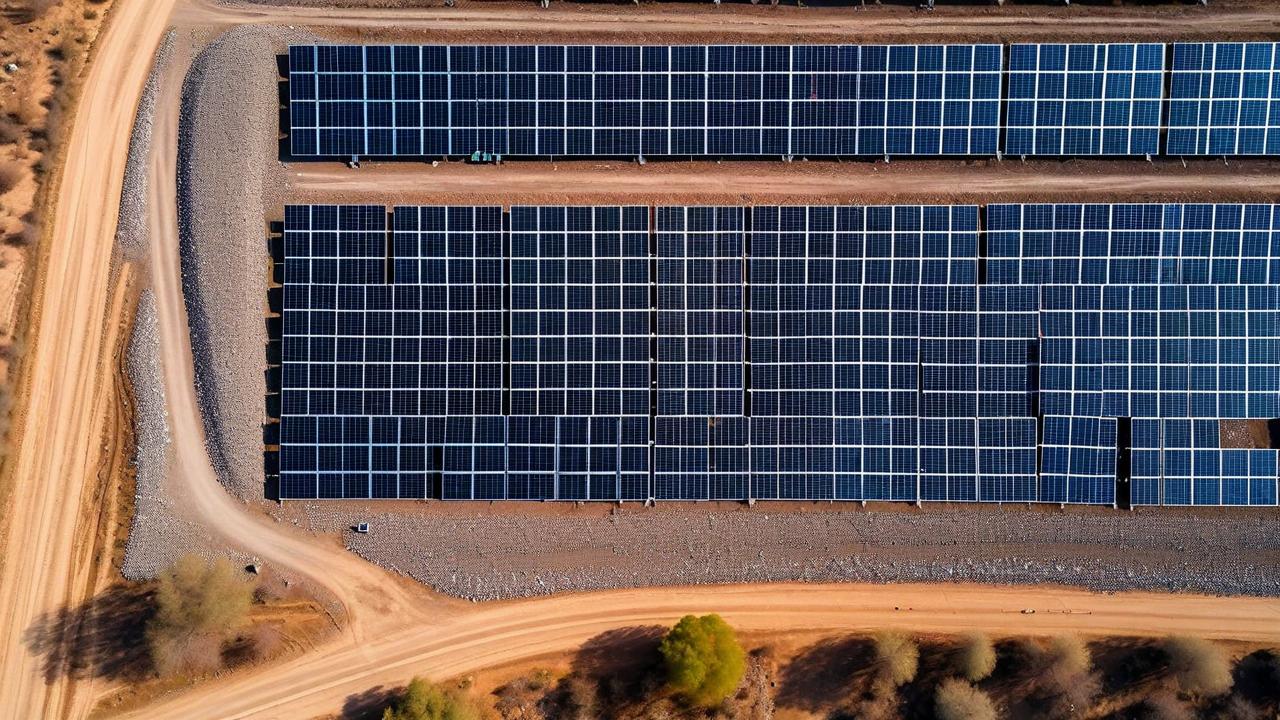
*this image is generated using AI for illustrative purposes only.
ACME Solar Holdings has filed its inaugural Business Responsibility and Sustainability Report (BRSR) for FY26, marking its first formal disclosure under SEBI’s updated sustainability regulations. The filing covers the company’s consolidated operations, which include a 2.9 GW operational renewable energy portfolio as of March 31, 2026.
Grant Thornton Bharat LLP provided reasonable assurance on the report’s core indicators, including energy and water footprints, greenhouse gas emissions, and waste management data. The assurance confirms that the identified sustainability information is prepared in all material respects in accordance with SEBI’s BRSR Core Reporting Standard.
Operational Scale and Financial Context
The disclosures relate to a consolidated entity with a paid-up capital of ₹121.2 crore. The company reported a turnover of ₹2,507.08 crore and a net worth of ₹5,060.17 crore for the financial year. CSR obligations are applicable under Section 135 of the Companies Act, 2013.
The group operates 41 plants across India, serving markets in 11 states. Its customer base consists primarily of central and state government-owned entities, including SECI, NTPC, SJVN, NHPC, and state distribution companies (DISCOMs), under long-term Power Purchase Agreements.
Environmental Performance
ACME Solar reported total energy consumption of 85,032.81 GJ, sourced entirely from non-renewable sources for operational use, resulting in an energy intensity of 33.92 GJ per rupee of turnover. Water withdrawal totaled 45,267.78 kilolitres, with groundwater accounting for 16,876.13 kilolitres and third-party water contributing 28,391.65 kilolitres. The company maintains Zero Liquid Discharge (ZLD) across all sites.
Greenhouse gas emissions stood at 141.65 metric tonnes for Scope 1 and 16,433.73 metric tonnes for Scope 2. Scope 3 emissions were reported at 355,595.56 metric tonnes. Through its renewable generation, the company enabled the avoidance of approximately 4.53 million tCO2e emissions.
| Environmental Metric | FY26 Value |
|---|---|
| Total Energy Consumption | 85,032.81 GJ |
| Total Water Withdrawal | 45,267.78 KL |
| Scope 1 Emissions | 141.65 MT CO2e |
| Scope 2 Emissions | 16,433.73 MT CO2e |
| Scope 3 Emissions | 355,595.56 MT CO2e |
| Waste Generated | 449.63 Metric Tonnes |
Social and Governance Metrics
The workforce comprises 955 employees and 399 workers. Women represent 5% of the employee base, against a target of at least 7% by 2030. The company reported zero fatalities and zero Lost Time Injury Frequency Rate (LTIFR) for both employees and workers during FY26.
Governance structures include a Corporate Social Responsibility and Sustainability Committee comprising two executive directors and one independent director. The company recorded no substantiated cases of human rights violations and zero complaints regarding sexual harassment or discrimination.
What the Numbers Show
A significant divergence exists between ACME Solar’s operational emissions and its value-chain footprint. While direct (Scope 1) and purchased energy (Scope 2) emissions remain minimal at roughly 16,575 metric tonnes combined, Scope 3 emissions dominate the carbon profile at over 355,000 metric tonnes. This concentration highlights that the primary environmental impact lies in upstream activities such as purchased goods, capital goods, and fuel-related activities, rather than day-to-day plant operations.
Historical Stock Returns for ACME Solar Holdings
| 1 Day | 5 Days | 1 Month | 6 Months | 1 Year | 5 Years |
|---|---|---|---|---|---|
| +0.59% | -2.47% | -2.47% | +43.66% | +46.74% | +61.96% |

What specific strategies is ACME Solar implementing to mitigate its dominant Scope 3 emissions, which account for over 95% of its total carbon footprint?
How might the company's heavy reliance on government-owned entities and DISCOMs for revenue exposure it to regulatory or payment delays in the evolving Indian power sector?
Given the low female representation (5%) against a 2030 target of 7%, what concrete initiatives will ACME Solar deploy to accelerate workforce diversity?
 18
18








 Create Custom Screeners
  Access 200+ Pre-built Filters
  Use 50+ Readymade Screener





