

Trump blames Ukraine, Democrats for soaring US fuel prices


- National average gasoline price at $4.3653 per gallon, up from $4.1459 a month earlier
- Diesel averaged $6.3207, up from $5.8819 a month earlier
- Trump attributes price rises to Ukrainian attacks on Russian refineries and US closures
- Kasparov argues prices spiked only after Trump attacked Iran
- Exports through Strait of Hormuz fell 97% since war began

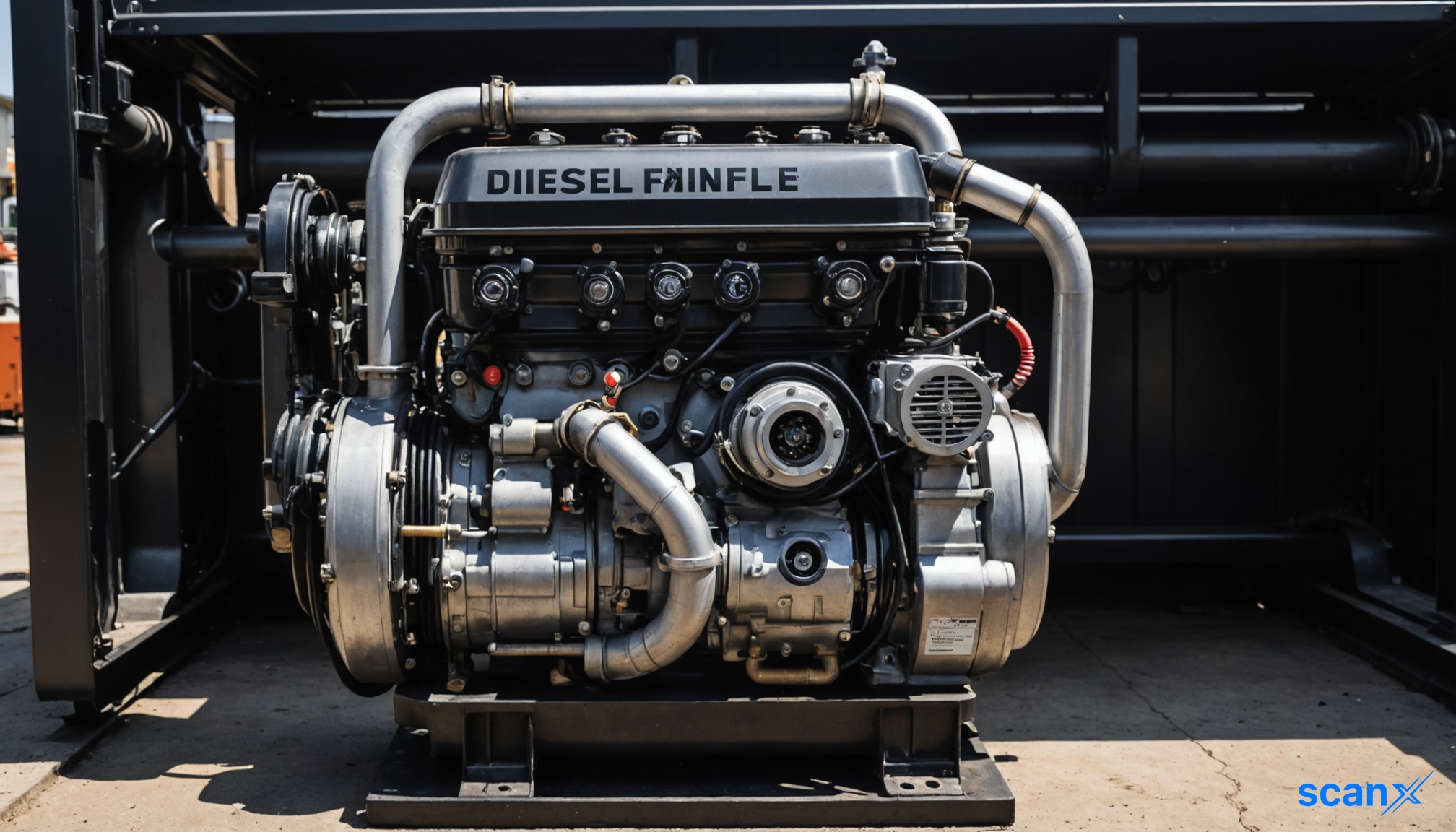

*this image is generated using AI for illustrative purposes only.
President Donald Trump attributed rising gasoline prices to Ukrainian attacks on Russian refineries and closures in Democratic-led states. This assertion aligns with his argument that domestic refinery issues, rather than geopolitical shipping disruptions, drive high fuel costs.
Trump's assessment of fuel price drivers
In a post on Truth Social, Trump identified two main factors behind current fuel costs. He argued that supply issues from the Strait of Hormuz are no longer the primary issue because "Record Numbers of Barrels are coming out now on an almost daily basis." Instead, he pointed to "Refineries," specifically highlighting:
- Russian refineries: Being damaged by Ukraine, which Trump explicitly links to diesel supply pressure.
- US refineries: Being closed in "Blue States, like California," which he attributed to Democratic policies.
The comments came as fuel prices remain elevated across the U.S. American Automobile Association (AAA) data showed the national average for regular gasoline at $4.3653 per gallon on Monday, up from $4.1459 a month earlier and $3.1339 a year ago. Diesel averaged $6.3207, up from $5.8819 a month earlier.
Kasparov challenges Trump's explanation
Russian chess grandmaster and political activist Garry Kasparov pushed back on Trump's argument, suggesting Ukraine’s attacks on Russian energy infrastructure were not responsible for the latest jump in U.S. fuel prices. Kasparov wrote on X that diesel prices had remained stable during months of attacks on Russian refineries and "only spiked when Trump attacked Iran."
Iran war adds pressure to global oil markets
The dispute comes as the war involving Iran continues to disrupt global energy markets. The Strait of Hormuz normally handles about one-fifth of global oil shipments, while disruptions have raised concerns over crude and refined-fuel supplies. While Trump has attributed the rise in gasoline prices to domestic refinery closures, exports through the Strait of Hormuz have fallen 97% since the war began, Al Jazeera reported.
Meanwhile, Ukraine said that its strikes have disabled 51% of Russia’s oil refining capacity, though the figure has not been independently verified, ABC News reported. The G7 has agreed to release 100 million barrels of oil and fuel from emergency reserves over four months to ease pressure.
Diesel policy context
Separately, Trump plans to ease regulations on dyed diesel, a tax-exempt variety typically restricted to off-road use such as agriculture and construction. This move aims to reduce high diesel costs by broadening permitted uses, though specific regulatory mechanisms remain unspecified.
| Aspect | Details |
|---|---|
| Gasoline price driver | Refinery closures (US/Blue States) and Russian refinery damage |
| Diesel supply pressure | Attributed to attacks on Russian refineries |
| Strait of Hormuz | Cited as no longer primary driver due to record barrel output |
| Diesel policy | Executive order planned to ease tax-exempt diesel restrictions |
| Source | Truth Social post, Politico reports, AAA data |
What the numbers show
The divergence between Trump’s attribution of price hikes to refinery closures and Kasparov’s claim that prices spiked only after the Iran attack highlights conflicting narratives on supply constraints. While Trump cites record barrel output from the Strait of Hormuz, data indicates exports through the strait have fallen 97% since the war began. Additionally, Ukraine’s claim of disabling 51% of Russia’s refining capacity contrasts with the administration’s focus on domestic US refinery closures as the primary driver for gasoline costs.

How might the planned easing of dyed diesel regulations impact long-term fuel tax revenues and infrastructure funding?
What are the potential economic consequences for California if federal and state energy policies continue to diverge regarding refinery operations?
Will the G7's release of 100 million barrels from emergency reserves be sufficient to offset the 97% drop in Strait of Hormuz exports?
 16
16








 Access Market Heat-map & Insights
  Create, Save & Share your Screener
  Use 200+ Screening Filters





