

Shell CEO says Mideast oil flows near 80% of prewar levels


- Shell CEO reports Middle East oil flows are near 80% of prewar levels
- Kpler estimates crude exports at 19.5 million to 22.5 million bpd recently
- Pre-conflict average for crude exports was roughly 18 million bpd
- Tanker attacks in Strait of Hormuz continue to escalate regional tensions

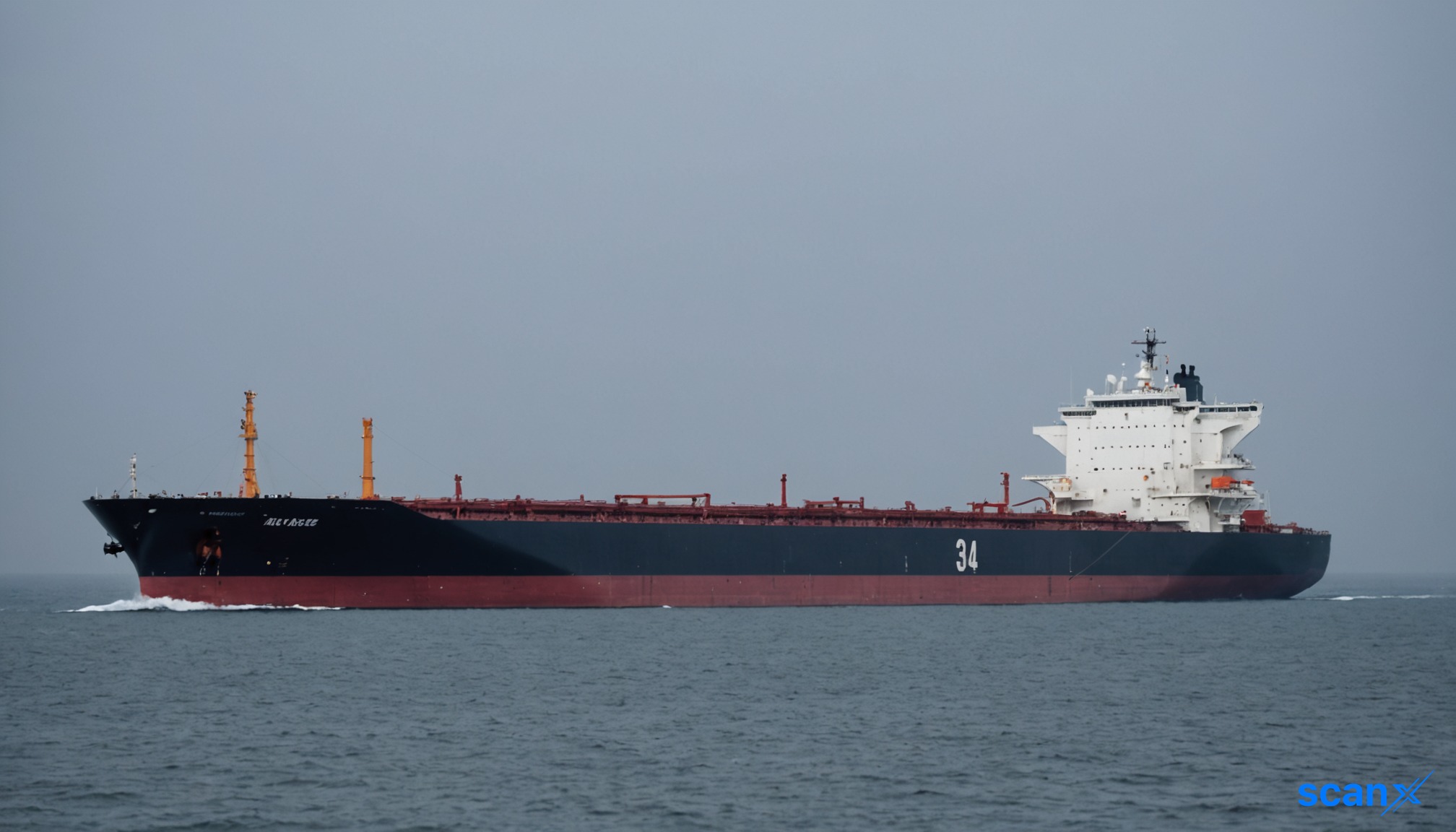

*this image is generated using AI for illustrative purposes only.
Shell CEO stated that Middle East oil flows are near 80% of prewar levels, according to a Bloomberg report on October 6, 2026. This assessment comes as ship tracker Kpler estimated crude exports from the region rose above pre-conflict levels, reaching 19.5 million to 22.5 million barrels per day on September 24 and September 27 through September 29.
The divergence between the executive's estimate and the tracker's provisional data highlights uncertainty in supply visibility during escalating tensions. Kpler’s figures include volumes moving through the Strait of Hormuz and the Red Sea, plus shipments from export terminals and ship-to-ship activity in the Gulf of Oman.
Shipping data shows surge in oil movement
According to a Reuters report citing provisional estimates from Kpler, the surge compares with an average of roughly 18 million bpd from March 2025 through February before fighting began. Kpler's seven-day moving average for crude exports stood at about 18.5 million bpd on October 1.
Broader seaborne volumes also remained elevated. Crude, refined products, chemicals, and other non-gas liquids averaged about 22.4 million bpd in the seven days ending September 30, based on Kpler figures. The data does not capture ships that may have crossed with AIS tracking switched off. Notably, Treasury Secretary Scott Bessent had said last week that Iran had loaded "zero" barrels of oil due to U.S. economic restrictions.
| Metric | Volume | Period |
|---|---|---|
| Crude exports (peak range) | 19.5 million to 22.5 million bpd | September 24 and September 27-29 |
| Pre-conflict average | ~18 million bpd | March 2025 through February |
| Seven-day moving average | ~18.5 million bpd | As of October 1 |
| Broader seaborne volumes | ~22.4 million bpd | Seven days ending September 30 |
Attacks on ships escalate
According to the United Kingdom Maritime Trade Operations (UKMTO) agency, multiple incidents have occurred since September 30 in the Strait of Hormuz and surrounding waters. UKMTO reported on Monday that multiple explosions were sighted in close proximity, about 60 nautical miles south of Al Mukha, Yemen (roughly 69 miles), in addition to a tanker being struck in the Strait of Hormuz on October 4.
The attacks come as Iranian Security Chief Mohsen Rezaee pushed back against Donald Trump's claims that Iran was close to surrendering to the U.S. Iran's Supreme Leader Ayatollah Mojtaba Khamenei also said that heavy blows suffered by the U.S. at the hands of Tehran will eventually force it out of the Middle East.
Oil prices and fuel costs
West Texas Intermediate (WTI) crude futures contracts expiring in November 2026 slipped 1.32% to $89.91. Brent futures contracts ending in November were also down 0.79% to $101.44 at press time.
During pre-market trading on Monday, United States Oil Fund slipped 1.63% to $145, while ProShares Ultra Bloomberg Crude Oil was down 0.97% to $53.89.
The national average gas price in the U.S. continued to fall, with data from the American Automobile Association (AAA) on Monday showing the national average at $4.3653/gallon. The national average price of diesel remained above $6/gallon at $6.3207.

How might the discrepancy between Shell's 80% flow estimate and Kpler's higher export figures influence long-term strategic petroleum reserve policies in importing nations?
What specific insurance or security premiums are shipping companies likely to impose on vessels transiting the Strait of Hormuz given the recent surge in maritime attacks?
Could the reported 'zero' Iranian oil exports cited by Treasury Secretary Bessent lead to a structural shift in global supply chains toward non-OPEC producers?
 15






 Access 50+ Readymade Screeners
 Use 200+ Custom Filters
 Get Full Market Insights





